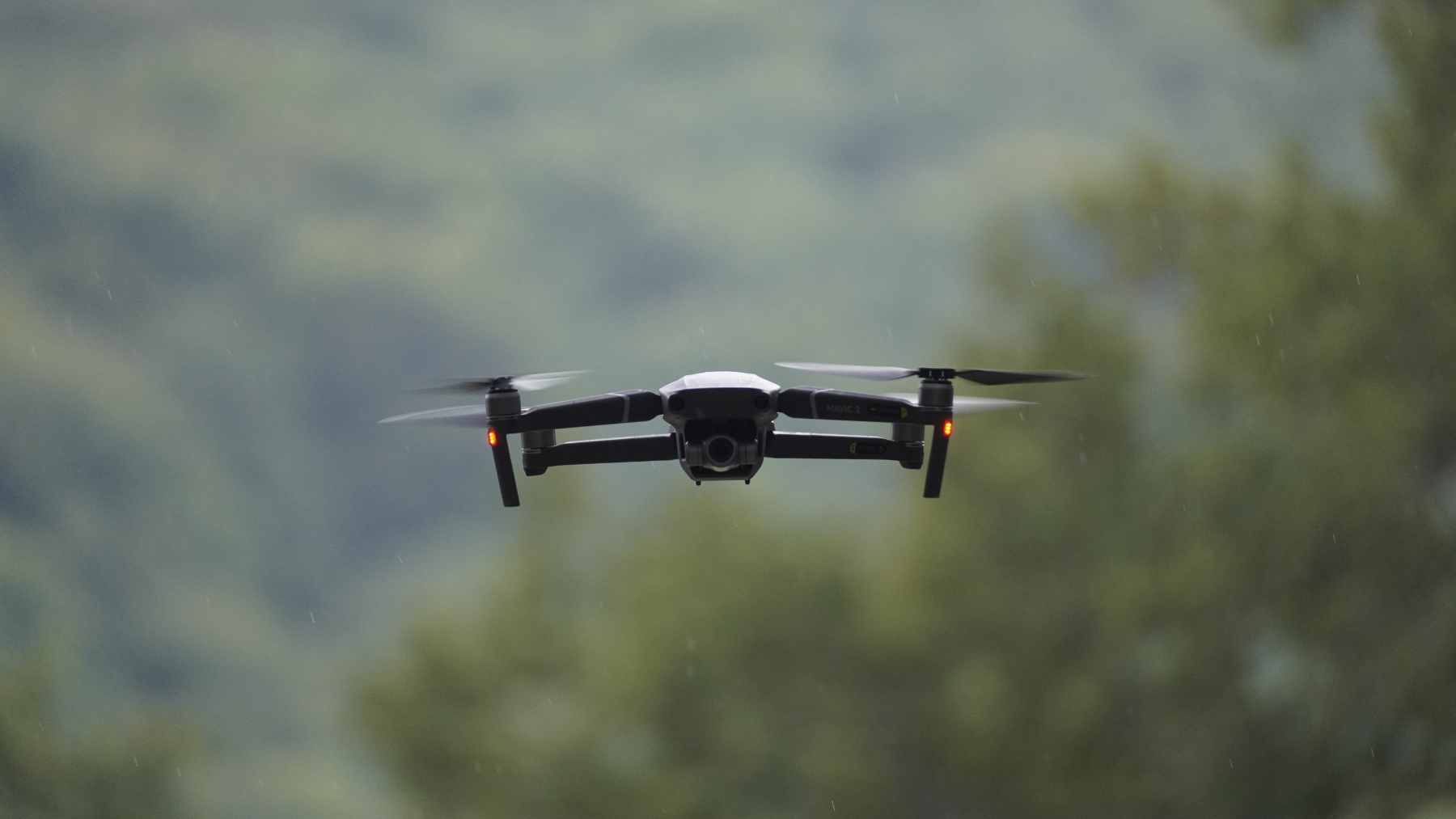
The U.S. Army says it has identified two suspects and gathered “credible evidence” in the theft of four small quadcopter drones from Fort Campbell, Kentucky, a case that has raised fresh questions about security around military equipment on domestic bases.
Army officials say the investigation began in late November 2025 and remains active. They also stressed that there is “no threat to the public” because the missing aircraft were equipped only with small cameras.
Army says theft was targeted, not a random breach
That is the key point here. This was not described as a random break-in. According to the Army, the drones were taken from a locked storage area inside a secured government building, and the people responsible had authorized access to both the installation and the building.
In practical terms, that means the case looks less like an outside intrusion and more like a targeted theft from within a controlled environment.
$5,000 reward offered for information on stolen Skydio X10D drones
The Department of the Army Criminal Investigation Division is now offering a reward of up to $5,000 for information leading to an arrest and conviction. A CID reward notice identified the stolen systems as four Skydio X10D drone systems and included images tied to “Suspect 1” and “Suspect 2,” along with references to two vehicles.
For the Army, that reward is also a signal. Officials appear to believe public tips can still help close the case and recover the missing equipment.

Public tips help Army CID investigation move forward
And those tips are already shaping the investigation. The 101st Airborne Division (Air Assault) and Army CID said members of the public came forward with information and that “the tips we received have proven helpful.” Still, investigators are keeping the details tight.
As the Army put it, this remains an open criminal investigation, and no additional information has been released beyond the public update.
Why the stolen military drone case matters beyond Fort Campbell
For readers, the bigger takeaway is hard to miss. Small drones may sound less alarming than missiles or armored vehicles, but they are now routine tools in training, reconnaissance, and base operations.
Losing four of them from a secured building is not just about missing hardware. It is about accountability, access control, and whether the locks on the door are really doing the job people think they are.
The Army says the affected building has already replaced the doors and locks that were burglarized. Small fix. Bigger lesson.
The study/official statement/press release, or whatever fits best, was published on The United States Army website.