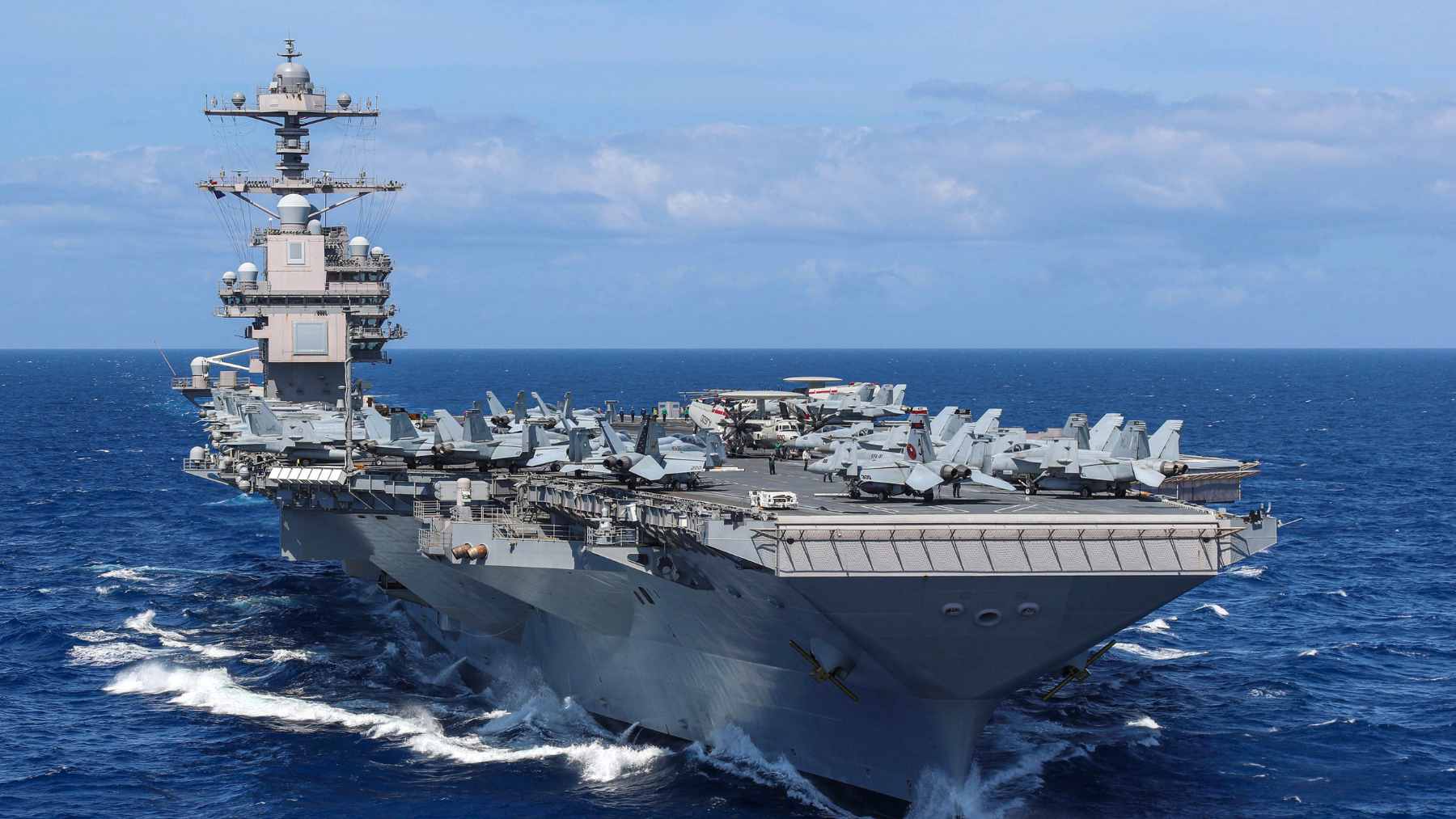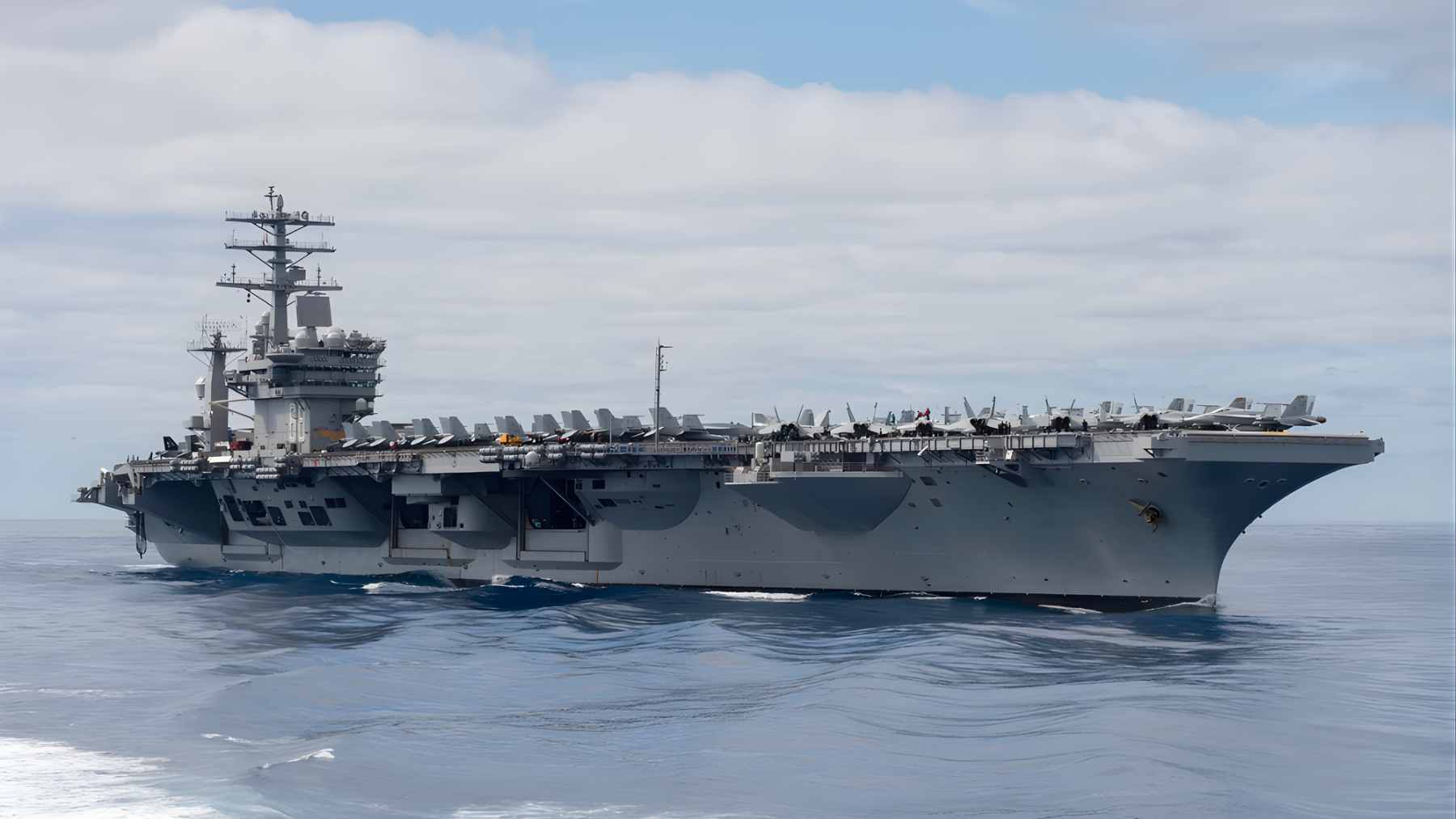
After 51 years in service, USS Nimitz has left Bremerton for the last time and begun what may be one of the most unusual closing chapters in modern U.S. naval history. The Navy said the carrier departed Naval Base Kitsap on March 7 as part of a scheduled homeport shift to Norfolk, Virginia. But this is more than a move from one coast to another.
According to USNI News, the trip is tied to Southern Seas 2026 and a circumnavigation of South America before the ship reaches its new base.
That matters because Nimitz is not just another carrier. It is the lead ship of its class, the oldest American aircraft carrier still in active service, and one of the largest warships in the world.
For a vessel that has spent decades as the “Pacific Northwest’s Carrier,” this final run south feels symbolic as much as strategic. One last long road at sea.
Southern Seas 2026 and U.S. Navy carrier power
Why should anyone outside defense circles care? Because this transit is also a floating signal. Southern Seas 2026 could turn the voyage into a platform for exercises, port visits, and closer naval cooperation across the hemisphere.
In practical terms, that gives partner countries a chance to work alongside one of the Navy’s biggest assets while Washington shows it can still move carrier power where it wants, even during a retirement transition.
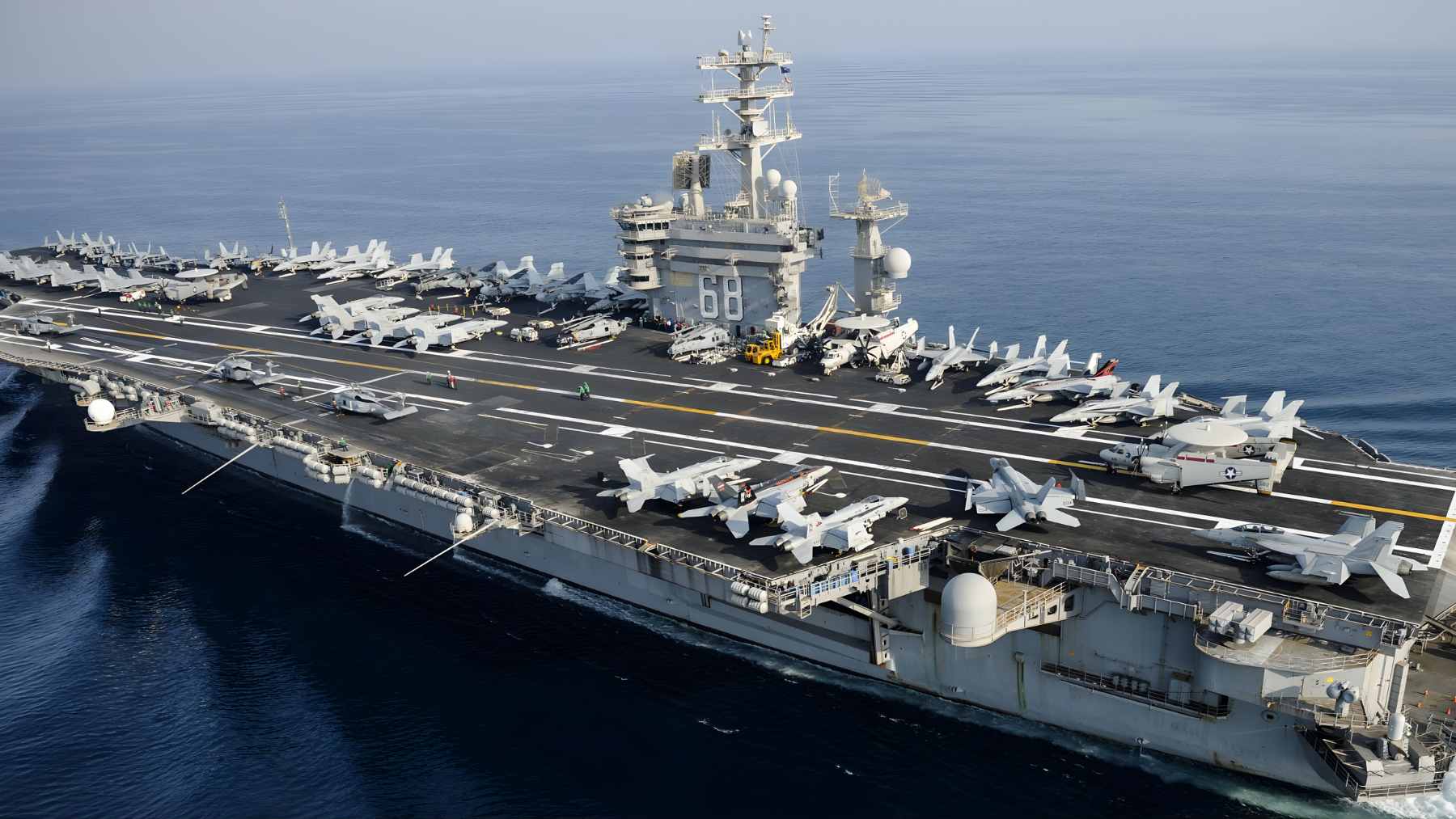
And this is no museum piece. On its latest deployment, the strike group logged more than 8,500 sorties, 17,000 flight hours, 50 replenishments at sea, and over 82,000 nautical miles combined, while also supporting U.S. Africa Command operations against ISIS targets in Somalia.
USS Nimitz retirement timeline and 2027 inactivation delay
There is also a twist here. The ship’s “last cruise” may not be the end after all. USNI News reported on March 14 that the Navy has pushed Nimitz’s inactivation to 2027, about 10 months later than previously expected, as delays continue around the delivery of USS John F. Kennedy. So yes, this voyage still looks like a farewell lap.
But it is also a reminder that aging military hardware often stays in the fight longer than planned, especially when replacement schedules slip.
The official statement was published on United States Navy.