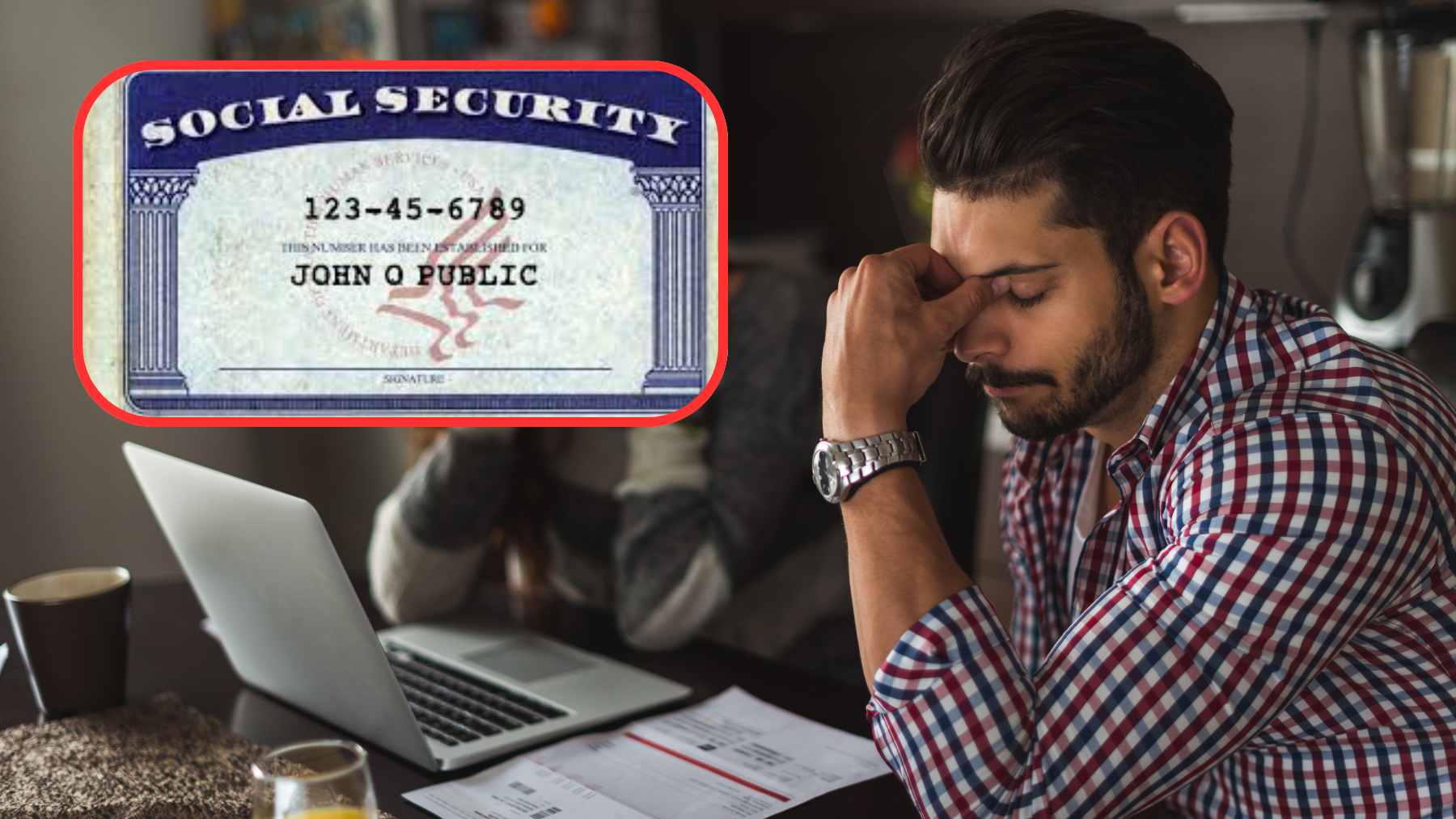
A former Social Security Administration chief data officer is warning that the alleged mishandling of Social Security records is not just another breach story.
Chuck Borges, who resigned in August 2025 and later filed a whistleblower complaint, told MarketWatch that the risk could touch “every American who has or ever had a Social Security number”.
That concern gained new weight after a January 16, 2026 court filing in which the government said SSA DOGE team members had shared data through Cloudflare, a third party service not approved for storing SSA data, and admitted the agency still could not determine exactly what data were shared or whether they still remain on that server.
That is the part that stands out. Not just that sensitive information may have moved outside normal channels, but that the agency says it does not fully know the scope.
According to the filing, SSA believes one encrypted file sent in March 2025 contained personally identifiable information derived from SSA systems, including names and addresses for about 1,000 people.
The same filing also says DOGE team members used Cloudflare links from March 7 to March 17, 2025 in a way that fell outside SSA security protocols.
Why exposed personal information can become a long term risk
Why does this matter so much? Because Social Security records are not like a password you can reset after dinner. Birthplace, date of birth, parents’ names, and other identity markers can follow a person for life.
If exposed, experts warn that data like this can feed fraud, impersonation, and social engineering for years, maybe decades. For families already juggling bills, retirement planning, and the usual digital headaches, that is not a small risk.
The government filing also says an advocacy group seeking evidence of voter fraud and hoping to overturn election results in certain states contacted members of the SSA DOGE team. SSA said it had not yet seen evidence that SSA data were shared with that group, but it made two Hatch Act referrals tied to those activities in late December 2025.
And that pushes this story beyond privacy. It becomes a national security and public trust issue.
Steps Americans can take to protect their identity
For Americans, the advice is simple even if the larger picture is not. The FTC says people concerned about identity theft can place a free one year fraud alert and use IdentityTheft.gov to report problems.
SSA also says creating a secure “my Social Security” account lets users review earnings history and manage key account details before a scammer tries to do it first. Small steps, yes. But right now, they matter.
The official court filing was published on Democracy Forward.