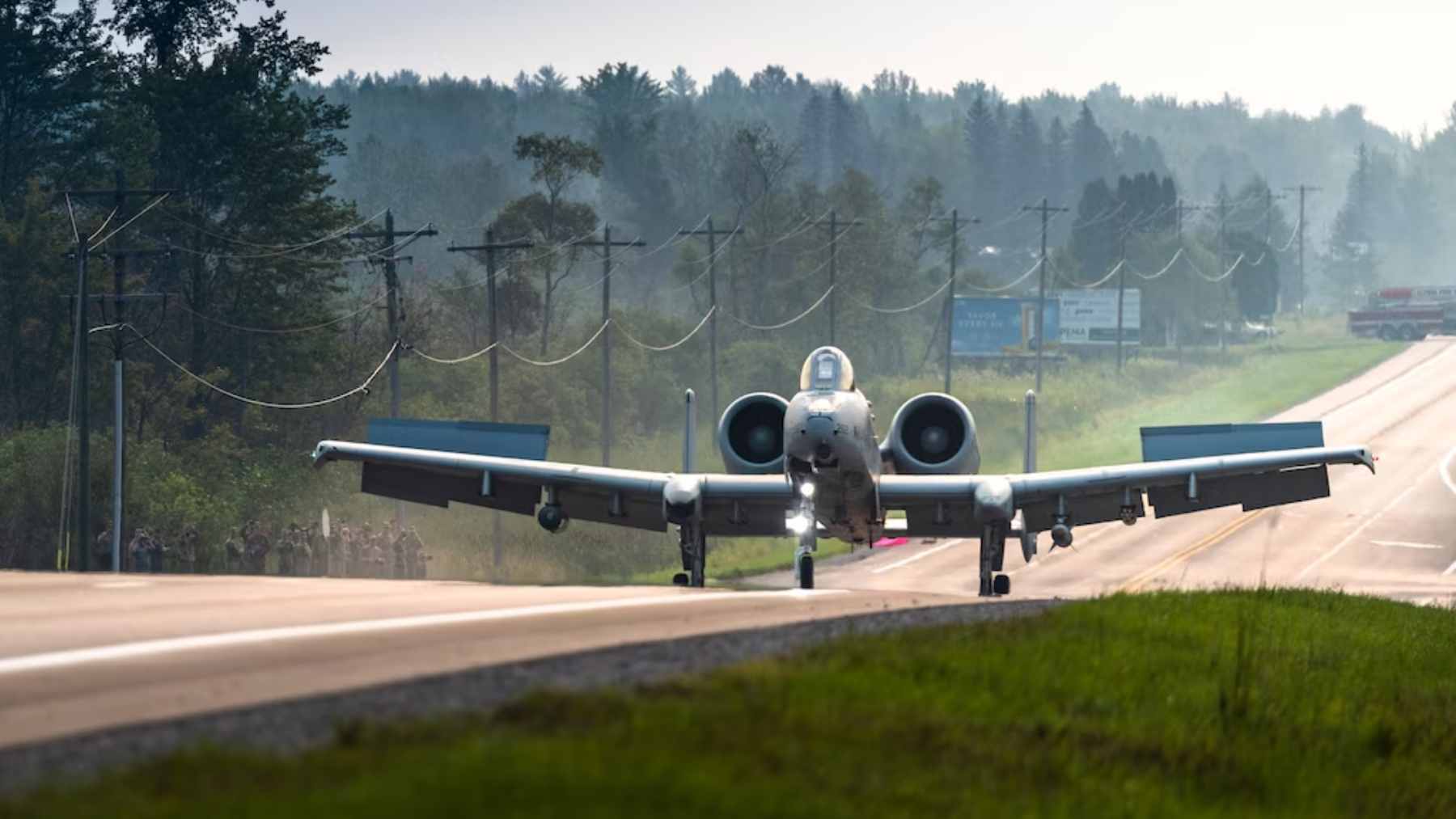
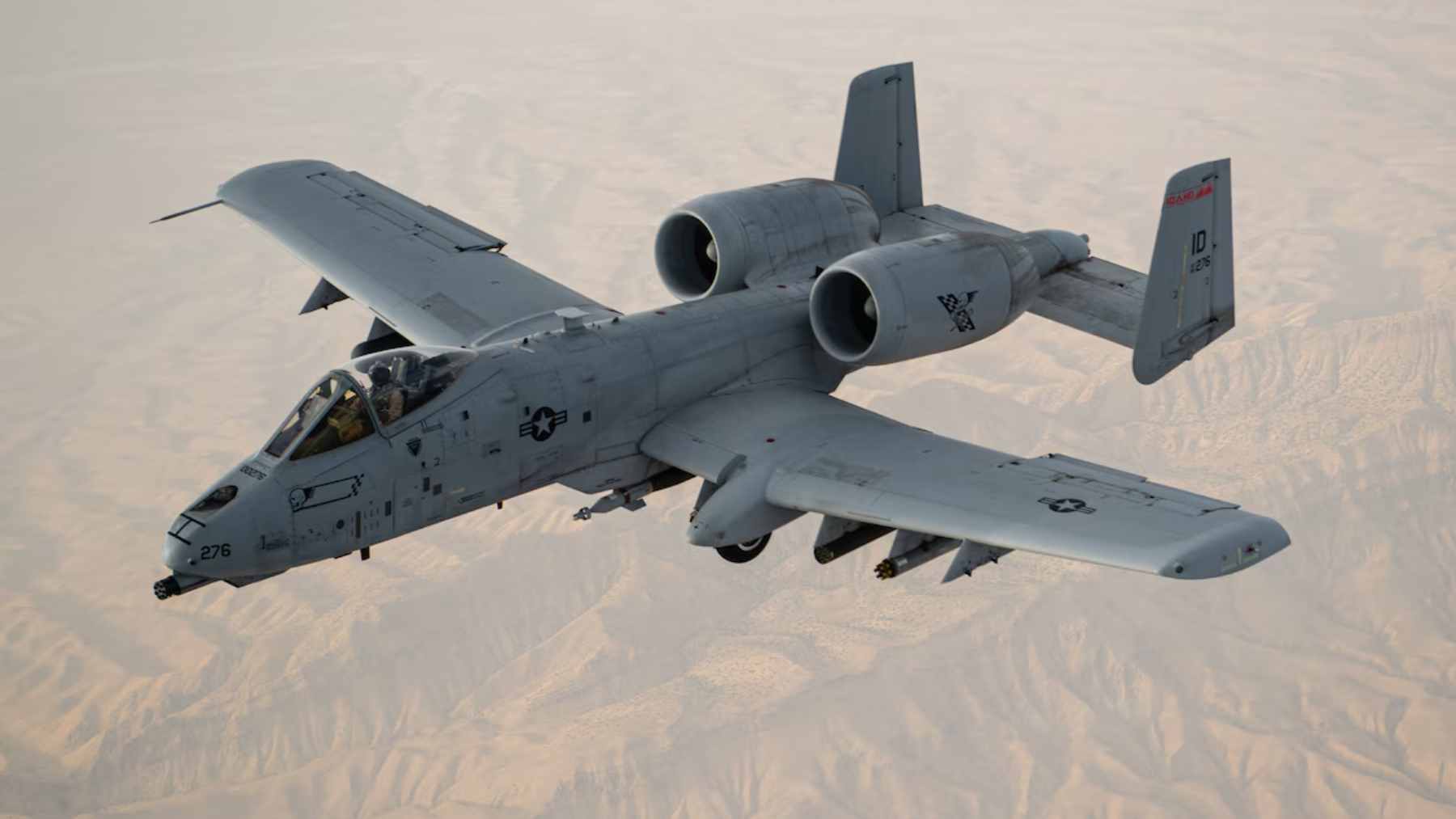
The Fairchild Republic A-10 Warthog is famous for one brutal, simple idea. Put the pilot in a “bathtub” of titanium armor, fly low, and survive the kind of ground fire that would shred lighter aircraft.
But the Warthog story is also turning into a quieter environmental story. As the U.S. Air Force closes out pieces of the A-10 support pipeline, the question is no longer just what replaces it in combat. It’s also what replaces it in carbon, fuel logistics, and the mining and manufacturing footprint that follows every airframe.
A titanium bathtub built for the worst day
The A-10’s survivability starts with titanium armor that shields the pilot and also protects parts of the flight control system. The Air Force says the aircraft can survive direct hits from armor piercing and high explosive rounds up to 23 mm, with manual backups to its redundant hydraulics when things go wrong.
That protection is not lightweight in any normal sense, even if titanium is “light for armor.” An Air Force Magazine profile describes the jet as having 1,200 pounds of titanium armor around the cockpit and vital systems, which is roughly 544 kilograms dedicated to keeping a human being alive in the middle of chaos.
Titanium is strong, and also energy hungry
Then there’s the part that rarely makes it into a defense debate. Titanium is not just “a better metal,” it’s also expensive to make in energy terms, largely because primary production is typically tied to the Kroll process and other energy-intensive steps that the U.S. Department of Energy has flagged in its titanium manufacturing analyses.
A 2023 peer-reviewed overview of titanium sponge production cites an evaluation estimating about 257.78 megajoules of energy are needed to produce one kilogram of titanium via the Kroll process.
If you apply that order of magnitude to 544 kilograms of cockpit armor, you land around 140 gigajoules of embedded energy just for that protective “bathtub,” before you even count machining, assembly, or the rest of the aircraft.
The A-10 phaseout is also an environmental decision
In February 2026, Air Force Materiel Command reported that the final A-10 was preparing to depart Hill Air Force Base, marking the end of a depot maintenance mission that supported generations of maintainers.
That kind of shift matters because it signals real momentum in how the service is managing the Warthog’s remaining years.
At the same time, the retirement timeline is still politically contested. Air & Space Forces reported that USAF officials had declared an intent to retire all 162 remaining A-10s in 2026, and that Congress was moving to block A-10 divestments in the FY 2026 NDAA debate.
For the environment, that tug of war can mean more years of operating older jets, plus more years of parts, repairs, and fuel demand.
Jet fuel is the real elephant in the hangar
If titanium is the hidden manufacturing story, jet fuel is the unavoidable operations story. Neta Crawford’s “Costs of War” research notes that in FY2014, DoD operational consumption was 87.4 million barrels of petroleum and that jet fuel accounted for more than 70% of operational energy use that year.
DoD’s own operational energy strategy also underscores why this is not only about emissions. The document notes that the Department purchased nearly 50% of its fuel overseas in FY2022, which ties fuel demand directly to supply chain vulnerability and mission risk.
In plain terms, burning less fuel can mean fewer convoys, fewer refueling chokepoints, and fewer budget shocks that taxpayers feel even when they never see a battlefield.
Tech fixes are arriving, but they have limits
One of the biggest near-term bets is alternative aviation fuels that still work in today’s engines. In January 2025, Lockheed Martin said it approved the F-35 to operate with synthetic aviation turbine fuel blends up to 50%, depending on feedstock and production pathway, and Air & Space Forces noted the step as a potential boost for Air Force energy and climate goals.
The catch is scale and standards. A U.S. DOE “Liftoff” document on sustainable aviation fuel says eligible SAF under the SAF Grand Challenge needs at least a 50% lifecycle greenhouse gas reduction compared to fossil jet fuel, and that’s a high bar when supply is still limited and often more expensive.
That’s why most of the near-term progress looks like blends and pilot programs, not an overnight switch.
The business angle is mining, recycling, and accountability
Defense aviation is also a materials business, and titanium sits right in the middle of it. If primary titanium is energy intensive, the obvious counter move is recycling and cleaner production routes, especially as aerospace firms try to lower the embedded emissions in parts they buy.
One example comes from IperionX, which published an LCA claiming its planned recycled titanium powder could reach about 7.8 kg CO2e per kilogram, which the company says is over 90% lower than competing powders and substantially lower than titanium ingot made from the Kroll process.
It’s a corporate claim, not a Pentagon standard yet, but it shows where the market is pushing: toward “circular” metals that can serve defense and still look credible under a climate audit.
The official statement was published on Air Force Materiel Command.