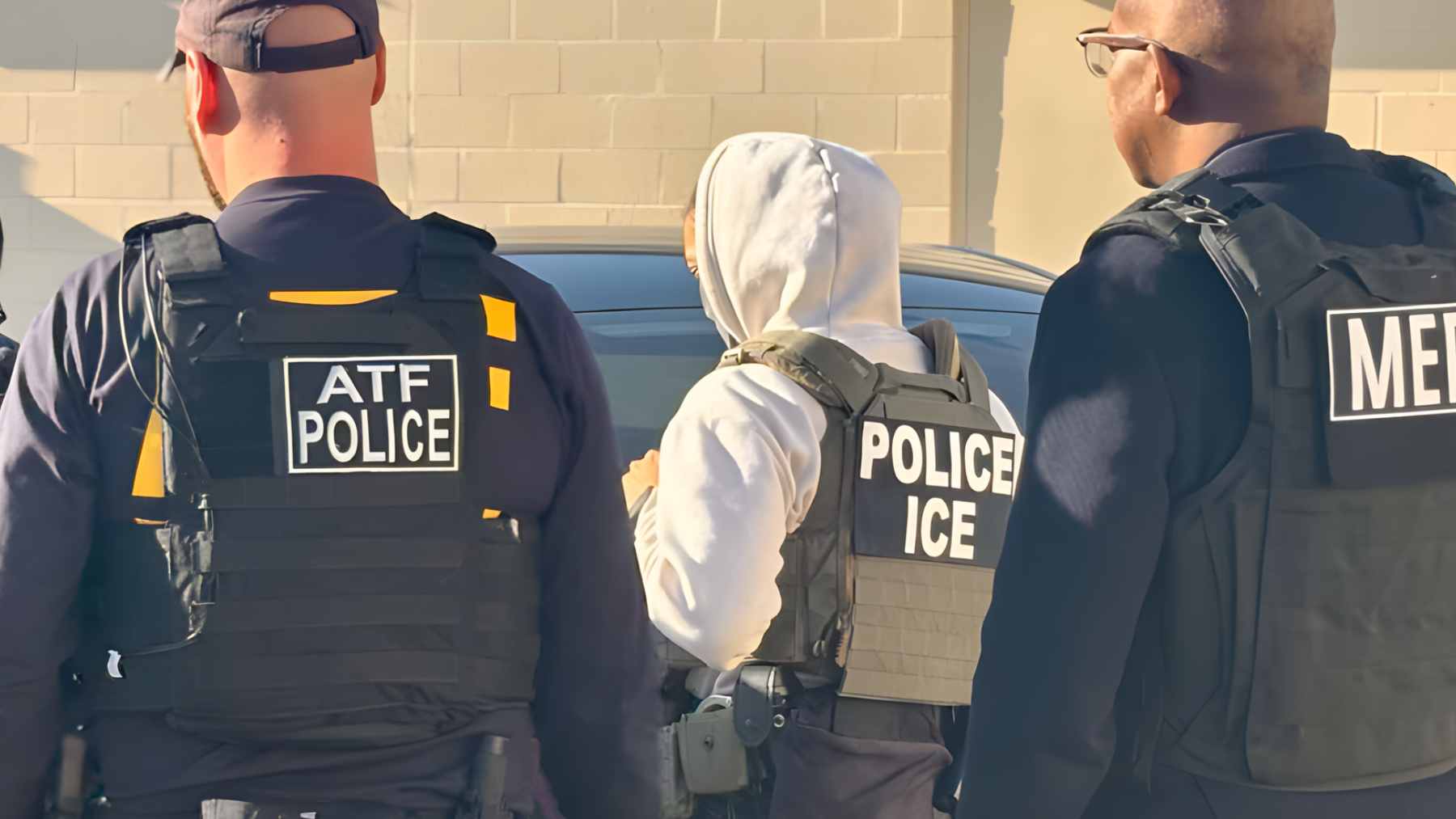
Operation Country Roads was pitched by federal officials as a major enforcement success. Instead, it is turning into a courtroom fight over how immigration arrests were carried out in West Virginia.
By the Justice Department’s own count, the 15-day sweep led to 650 arrests statewide, but judges are now scrutinizing whether some detainees were stopped, seized, and held in ways that violated the Constitution.
That is why the political uproar only tells part of the story. Administration officials say masks protect officers and their families from doxxing, harassment, and violence. The courts, though, keep circling back to a simpler question.
Can the government hold people in civil immigration cases without clear legal authority, a prompt hearing, or an individualized custody decision?
From arrest counts to court scrutiny
The numbers were always going to grab attention. More than 550 of the 650 arrests involved West Virginia agencies working with ICE through the 287(g) program, which lets trained local officers carry out certain immigration functions under federal oversight.
DOJ also said the operation produced criminal cases in some instances, including eight immigration-related charges tied to federal search warrants at a Nitro business and residence.
But what happens when a routine traffic stop on the turnpike turns into days or weeks in jail? In Goodwin’s February 19 order in the Urquilla-Ramos case, he said masked, anonymous agents using unmarked vehicles and acting without warrants represented “an assault on the constitutional order.”
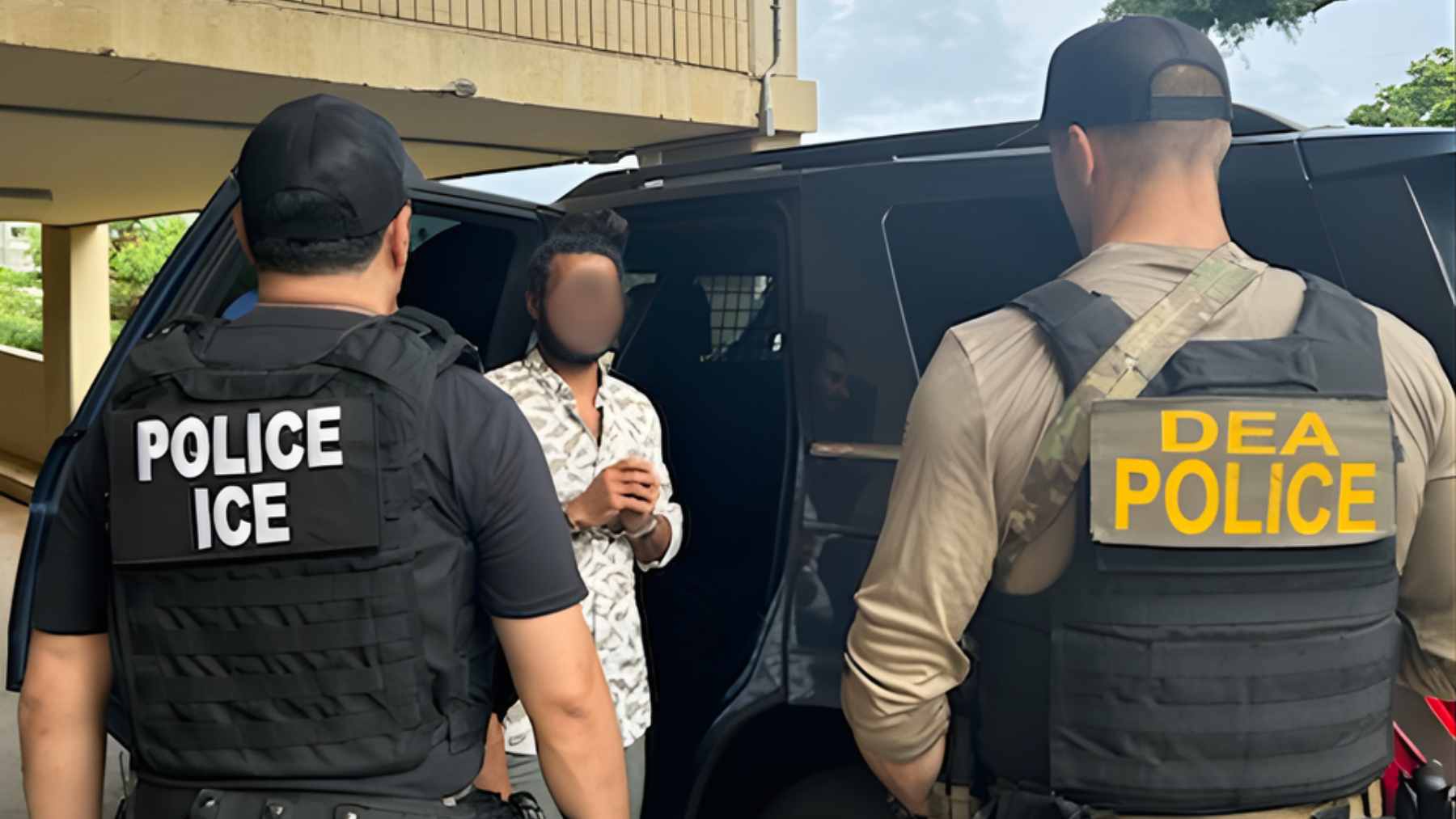
He ruled that the detainee’s Fourth and Fifth Amendment rights had been violated and ordered immediate release.
Civil cases, not criminal ones
That point keeps resurfacing in the court record. In a February 9 ruling involving Yuri Jhoana Gutierrez Aroca and Arley Cabrera Valenzuela, Goodwin stressed that the couple faced civil violations, “not criminal” ones, even though they were held in jail clothing and restraints without a custody determination or bond hearing.
Judge Thomas Johnston had already written days earlier that all persons present within our country are entitled to due process.
By February 27, the legal pressure had grown even more. In one fresh opinion, Goodwin said a single case was part of 17 immigration habeas petitions assigned to his court that week, with 15 tied to arrests made on or after February 12.
That is the real shift here. Federal officials are highlighting arrest totals, but judges are asking for records, hearings, and constitutional restraint.
The latest court opinion was published on Southern District of West Virginia.