For millions of Americans, Social Security is not abstract policy. It is the monthly check that helps cover groceries, rent, or the electric bill. This is not about the size of that check.
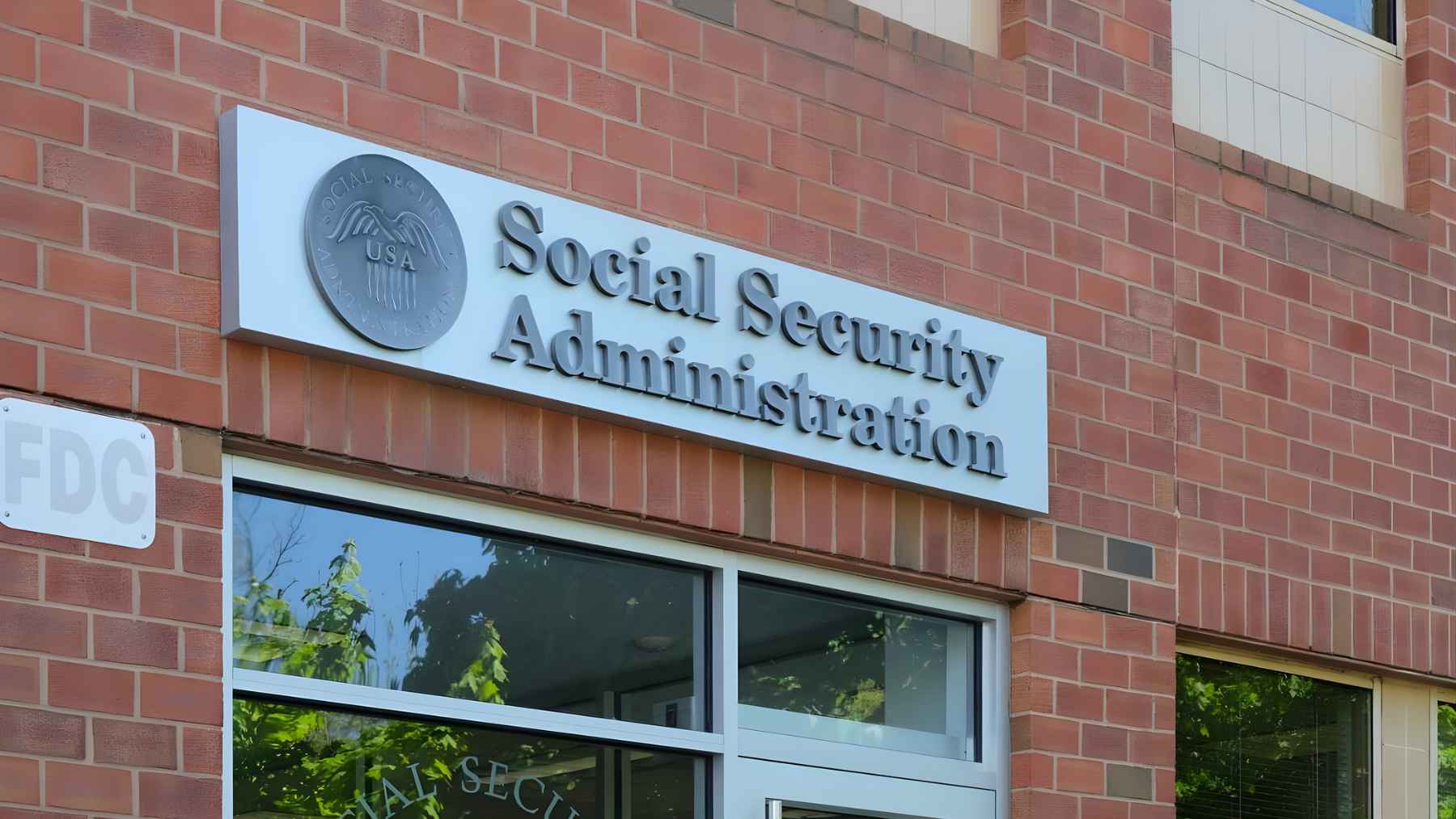
Starting Saturday, March 7, the Social Security Administration is rolling out national systems to handle appointment scheduling and case workloads across the country.
The agency says most people should notice little more than “expanded appointment availability”.
What is actually changing
So what is really happening? Federal News Network reported that SSA is launching the “National Appointment Scheduling Calendar” and “National Workload Management” system.
In practical terms, that means local calendars are being replaced and work can be routed to the next available trained employee anywhere in the country.
It is a major administrative shift, but it also fits a broader digital push. SSA said in February that more than 100 million Americans now have “my Social Security” accounts, part of what it called a digital-first transformation built around online, phone, and in-person service.
Why some people are uneasy
That sounds efficient enough. But will it feel that way when someone in Maine is handling a claim from California? That is the real test. The Associated Press reported that an internal SSA plan set a target of cutting field office visits in half in fiscal 2026, down to no more than 15 million from 31.6 million the year before.
AP also reported that at least 7,000 SSA workers were laid off in 2025, which helps explain why the administration is leaning so hard on technology and national workload sharing.
SSA says local help is not disappearing. Its performance page says more than 70 million people depend on Social Security benefits, very few services require an office visit, and customers with appointments wait about six minutes on average.
The same page says service changes through January 2026 saved the public an estimated 12 million hours in wait time over the previous year. On top of that, a January SSA press release said the agency answered 65 percent more calls in fiscal 2025 than in fiscal 2024.
In plain English, that could mean fewer hours on hold and fewer frustrating trips across town.
The official press release was published on SSA.