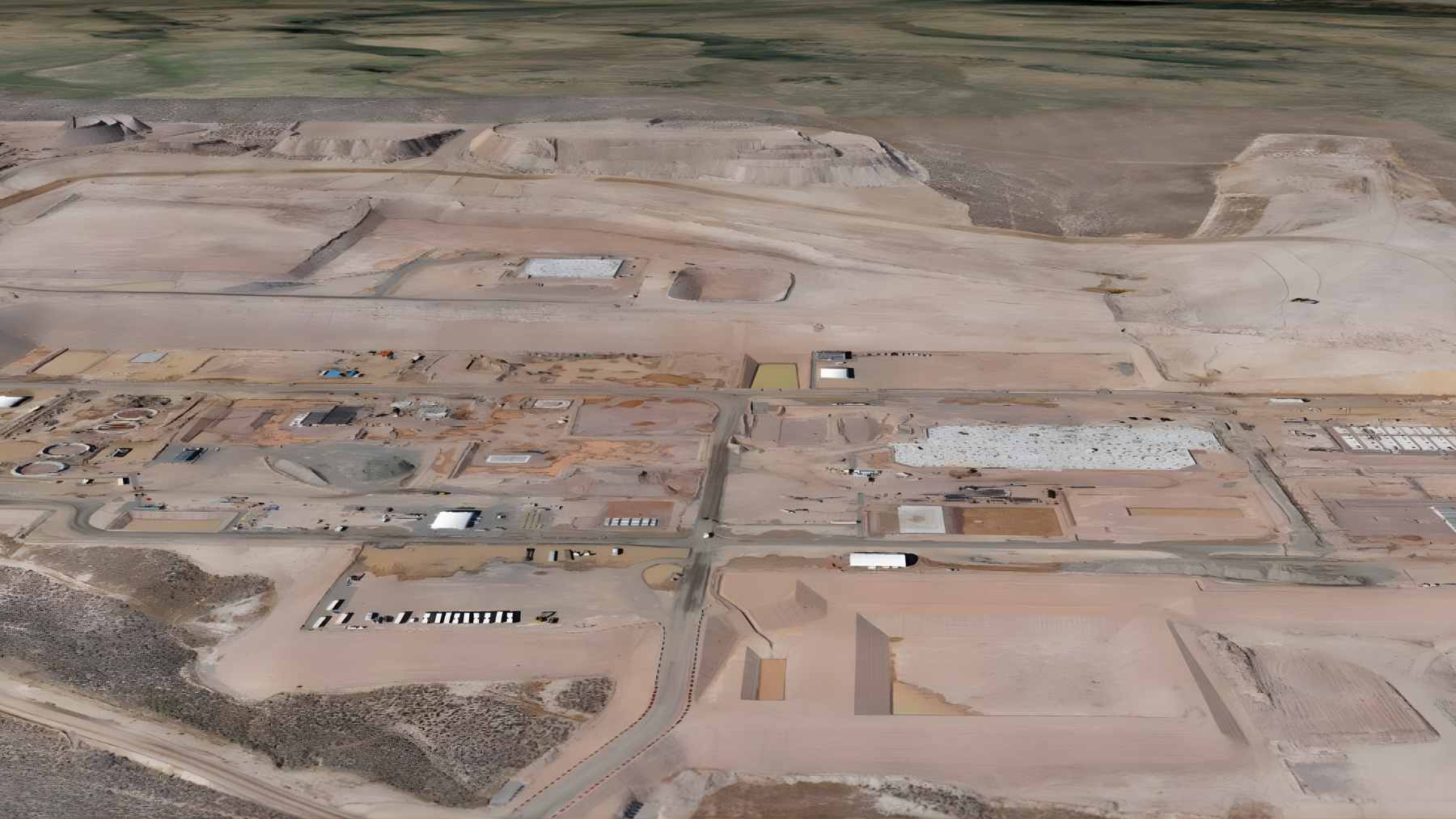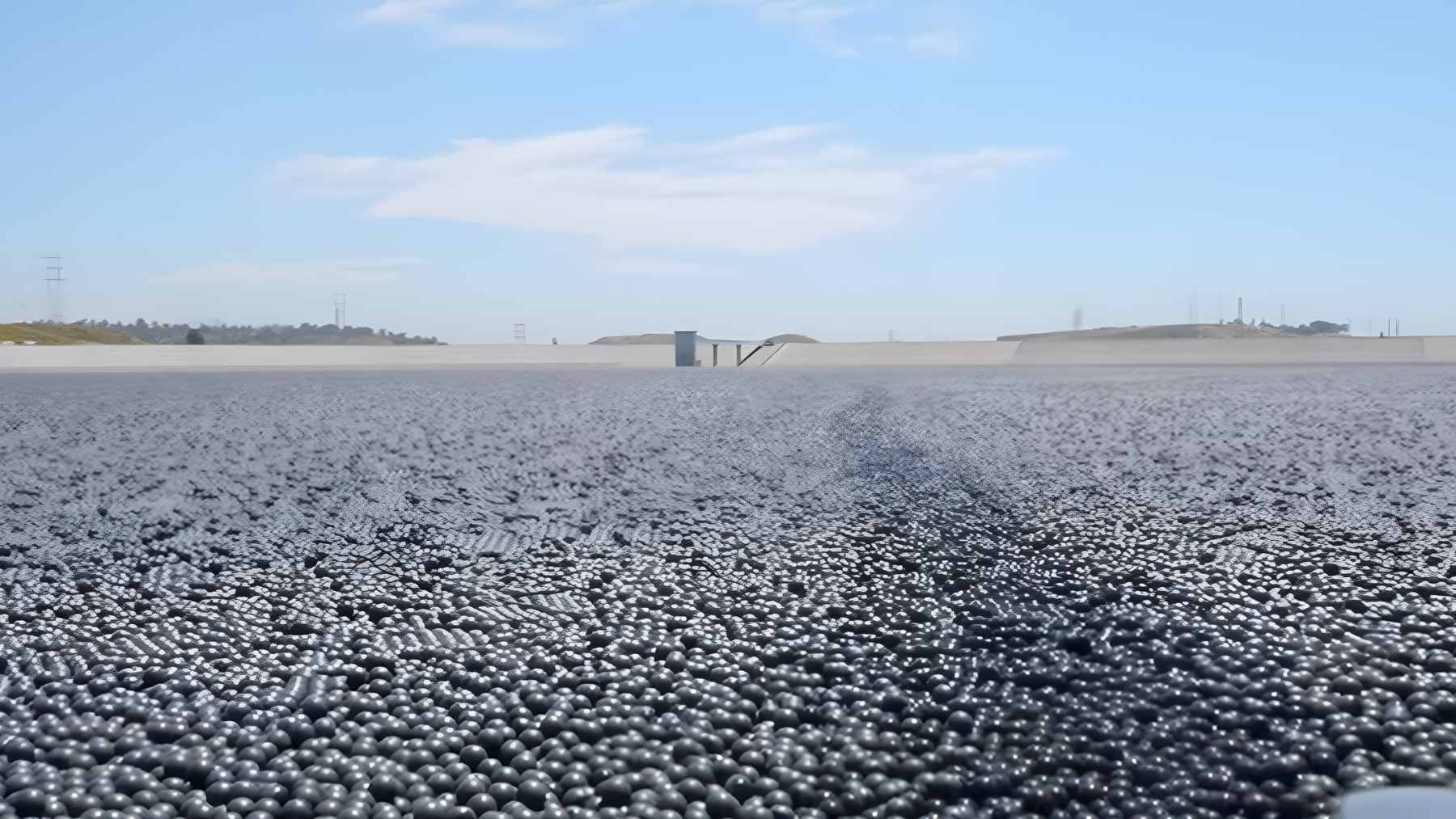
Why would a city cover one of its biggest reservoirs with millions of black plastic spheres? In Los Angeles, the answer was not publicity. In practical terms, the city was trying to stop sunlight from changing treated water after it had already left the plant.
LADWP finished deploying nearly 96 million shade balls across the 175 acre Los Angeles Reservoir in 2015, saying the cover would protect water quality, slow evaporation, and curb algae growth before that water reached homes and businesses.
The chemistry was the real headache. LADWP says sunlight hitting bromide rich, chlorinated water can help create bromate, a regulated drinking water contaminant.
The EPA lists bromate with a maximum contaminant level of 0.010 milligrams per liter and a health goal of zero because of cancer risk concerns. That helps explain why this was not just a drought story. It was also part of Los Angeles’ effort to comply with federal and state rules for uncovered treated water reservoirs.
How the balls actually work
The idea itself came from “bird balls” used elsewhere to keep birds off ponds. LADWP adapted it for drinking water. The spheres are made of high density polyethylene, about 4 inches wide (roughly 10 centimeters), and the ones used at the Los Angeles Reservoir are partially filled with drinking water so strong winds do not push them aside.
Their black color comes from carbon black, which LADWP says helps block light and makes the plastic more resistant to sun damage. The utility also says the material is food grade and certified for drinking water contact by NSF.
There was a money angle too. LADWP put the project cost at about $34.5 million, or roughly 36 cents per ball, and said that was far cheaper than alternatives that would have topped $300 million.
The department also says the cover prevents the annual loss of about 300 million gallons of water and cuts chlorine use by nearly $28,000 a month because less sunlight means less algae. On a week of sticky summer heat, when evaporation and algae both become more stubborn, that matters.
A smart fix with a real tradeoff
But the story does not end with a neat victory lap. A 2018 study in Nature Sustainability estimated that making the 96 million balls used about 2.9 million cubic meters of water, while the first 19 months of deployment saved about 1.7 million cubic meters.
So yes, the reservoir cover helped locally, but the broader environmental math was more complicated than the viral images suggested.
Even so, Los Angeles kept the system as one part of a larger treatment strategy, and LADWP says the opening of the Los Angeles Reservoir Ultraviolet Disinfection Plant in January 2022 brought all of its reservoirs into compliance with applicable drinking water rules.
The official report was published on LADWP.