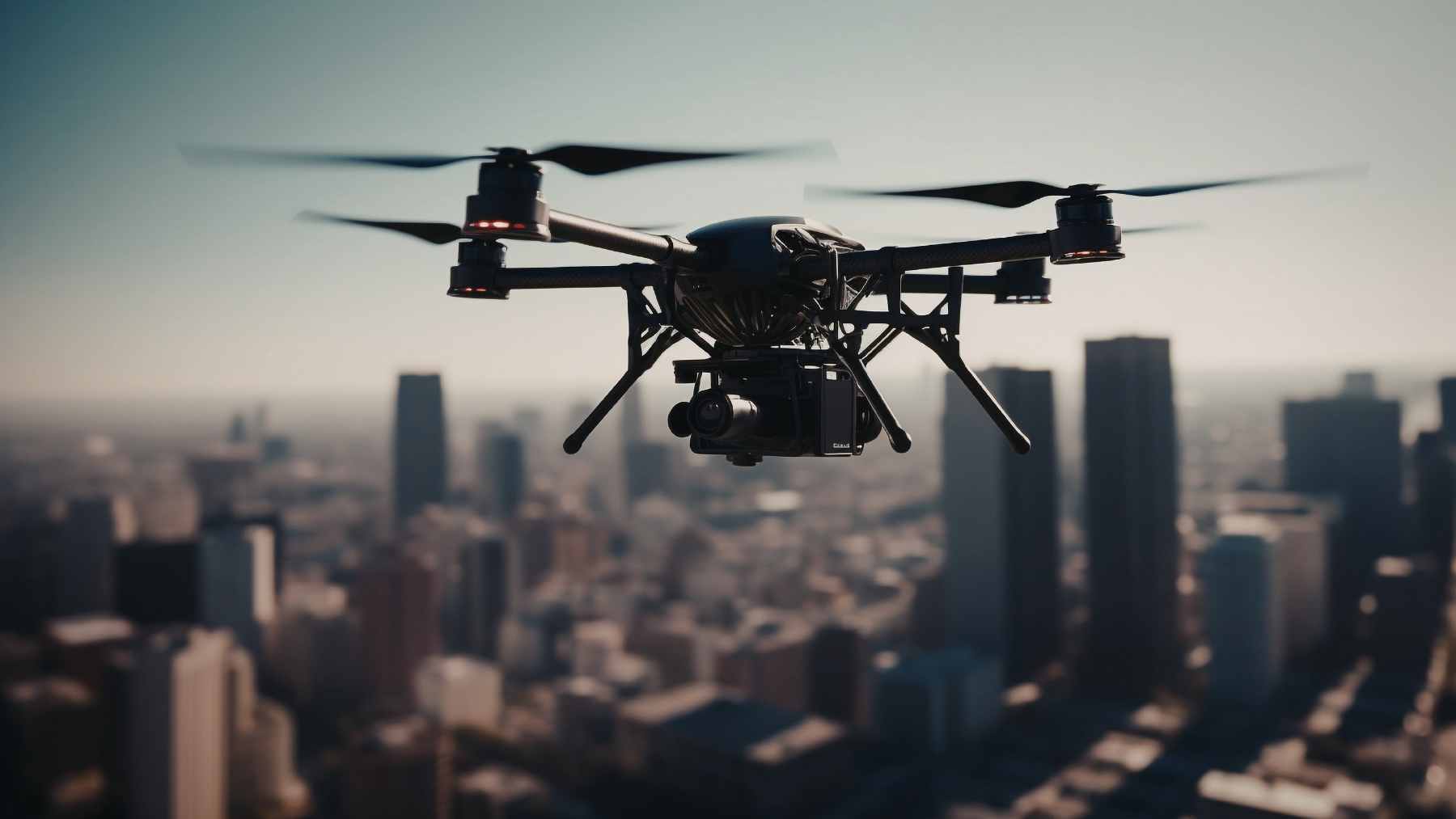
What does a drone dispute between the two Koreas have to do with the environment? Quite a lot, actually.
South Korea’s promise to tighten controls on civilian drones near North Korea is not only about preventing another security scare. It could also help protect one of Asia’s most unusual environmental refuges, the Korean border zone, where decades of restricted access have left rivers, wetlands, and forests unusually intact.
In a story driven by military tension and surveillance tech, the environmental stakes are easy to miss. But they are real.
Why the DMZ matters for wildlife
On February 13, Kim Yo Jong said Seoul’s earlier expression of regret over alleged drone flights was “sensible” but not enough, warning that another violation could trigger a harsh response. South Korea has denied flying the drones during the periods cited by Pyongyang, while investigators have looked into civilians suspected of launching aircraft from border areas.
Five days later, Seoul said it would pursue tougher penalties and try to restore parts of the 2018 inter-Korean military accord, including a border no-fly zone meant to stop similar incidents.
That matters because the Demilitarized Zone is, for the most part, an accidental sanctuary. Korea’s National Atlas says 5,929 wildlife species have been identified in the DMZ.
UNESCO says the Yeoncheon Imjin River Biosphere Reserve, whose upper course flows out of the DMZ, remains “mostly untouched by humans” and provides habitat for otters, leopard cats, bean geese, golden eagles, and endemic fish.
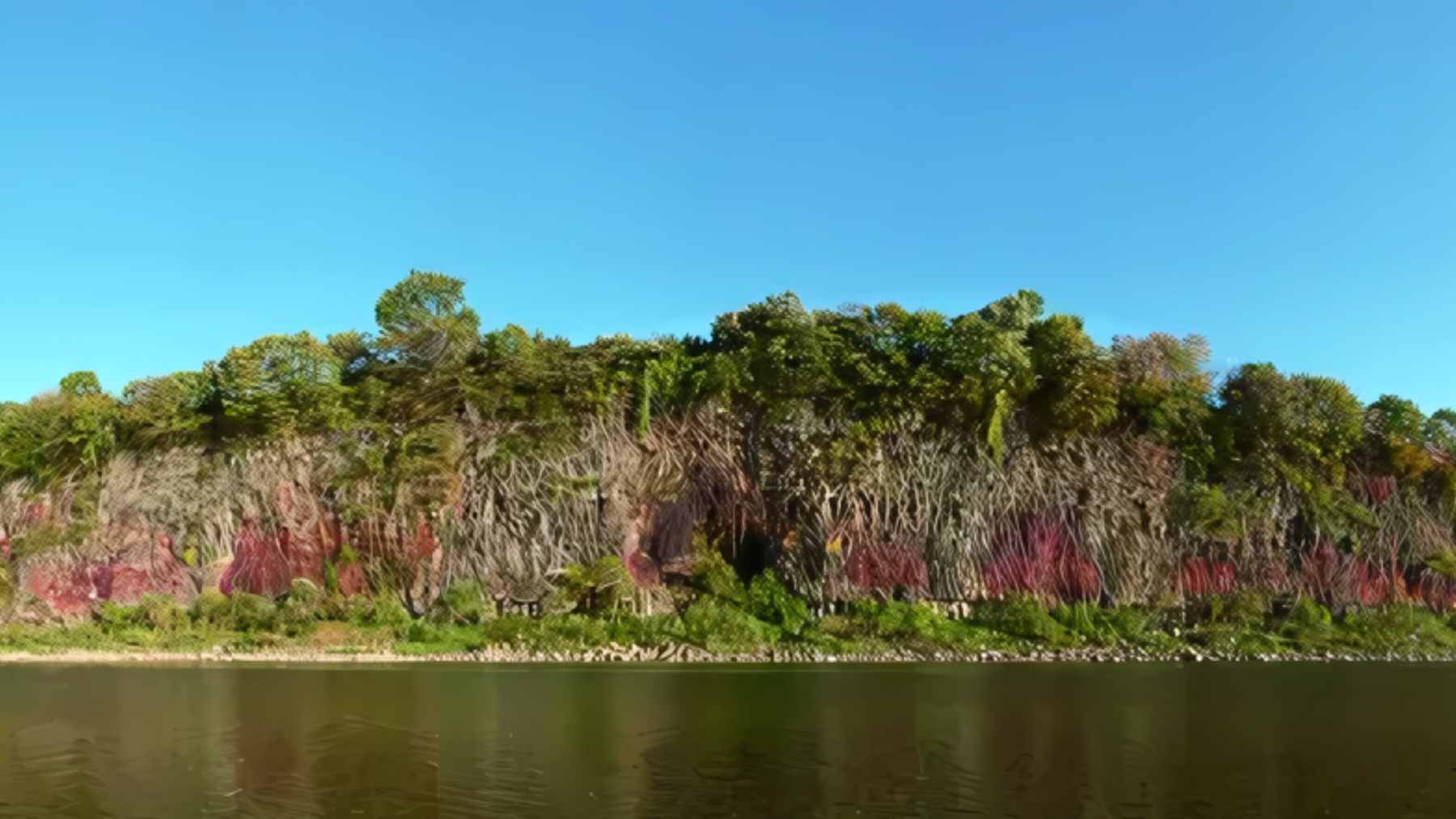
In practical terms, this is a strip of land where less human pressure has sometimes meant more room for life.
When drone tech helps and when it hurts
Drones are not simply a problem. They are also valuable tools in conservation, and recent research says they have expanded wildlife monitoring in hard-to-reach places. But there is a catch. Reviews of the science say drone noise, low altitude, and direct approaches can disturb animals, especially birds.
One field study found disturbance in breeding colonies stayed below 20% at distances above 50 meters, then jumped above 60% when flights came within 40 meters.
At the end of the day, tighter drone controls near the Korean border may do more than cool a diplomatic flashpoint. They could also reduce unnecessary pressure on a landscape that has become ecologically important precisely because people have largely stayed out. Quiet skies matter.
The official statement was published on Korea.kr.