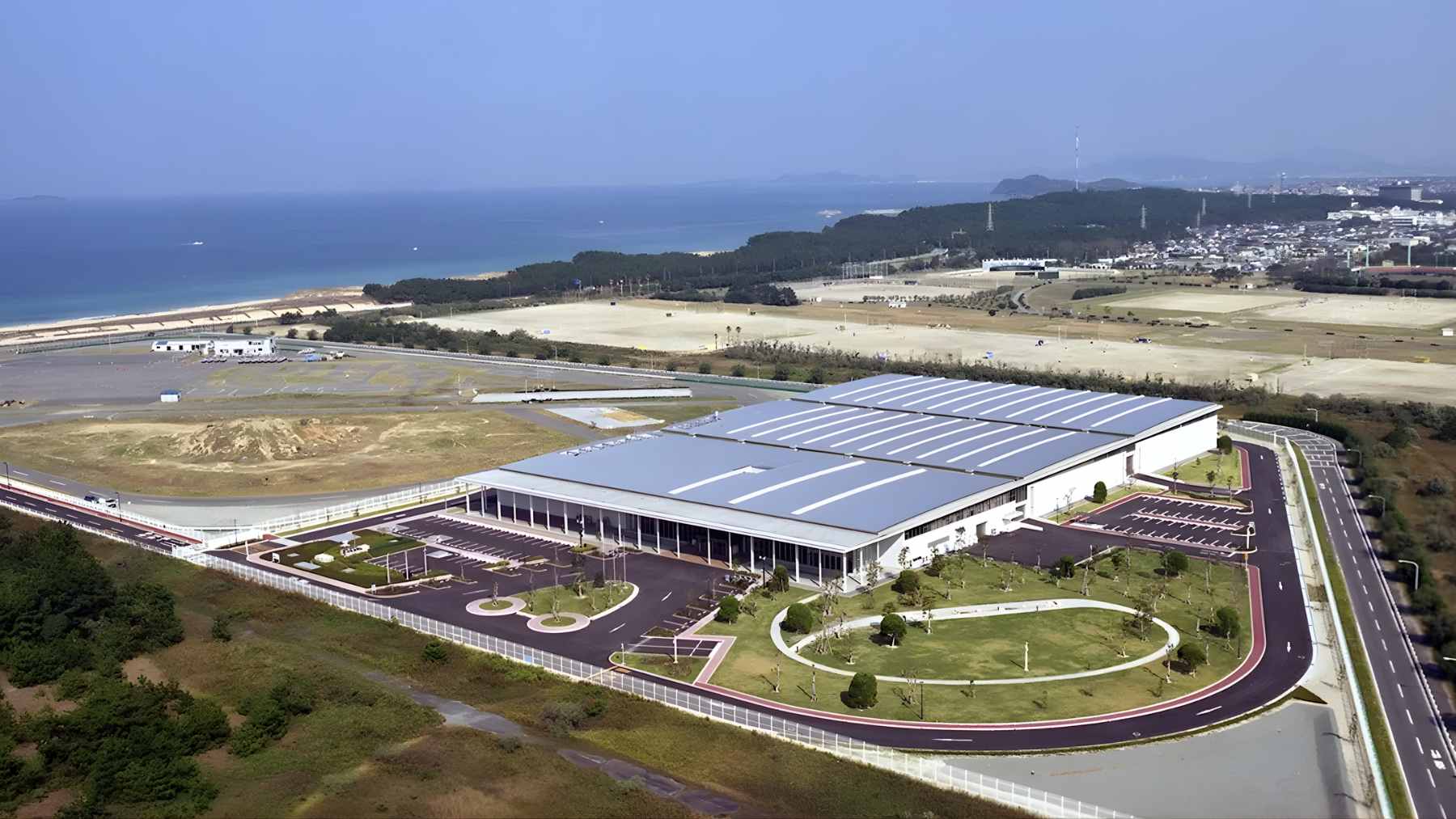
In Fukuoka, a new osmotic power plant is now operating at the Mamizupia desalination center, using the salinity gap between concentrated brine and treated sewage water to generate electricity.
The facility officially began operating on August 5, 2025. It is designed to deliver about 110 kilowatts of net power and up to 880,000 kilowatt-hours a year, with an operating rate of around 90%.
That matters because, unlike solar panels on a cloudy day or wind farms on a still one, this system can keep running around the clock. In practical terms, that is the kind of resilience cities want as energy bills keep rising.
Desalination brine and wastewater as a new energy source
The bigger story is not scale, at least not yet. It is what Fukuoka is doing with a difficult industrial byproduct. Desalination creates concentrated brine that has to be handled carefully before discharge. Here, that waste stream becomes part of the fuel.
In practical terms, that means a water plant is squeezing extra value out of water it already processes, which is the kind of efficiency cities and utilities are chasing as energy bills keep rising.
How pressure retarded osmosis works
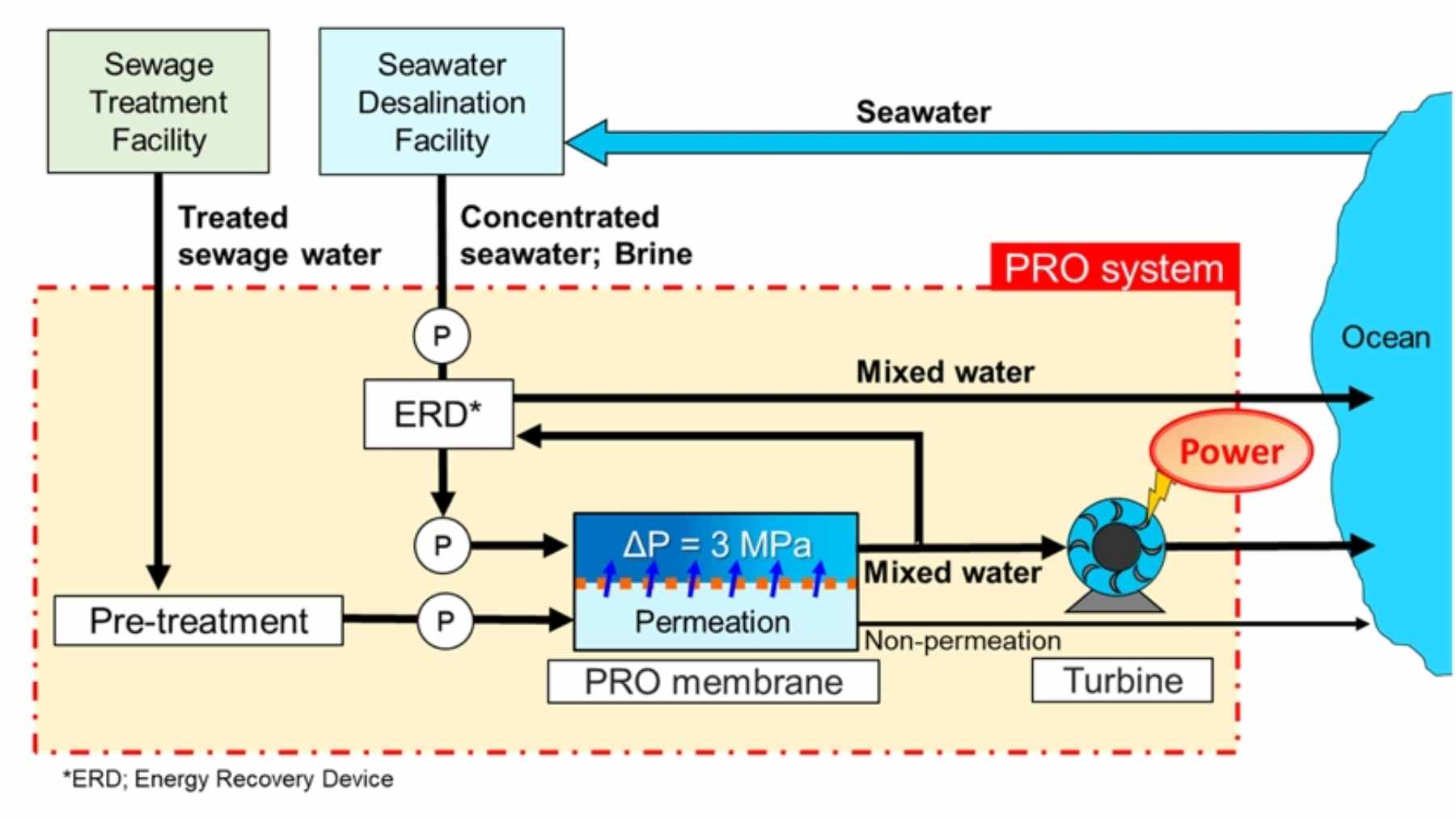
The technology behind it is called pressure retarded osmosis. A semipermeable membrane separates two water flows with different salt concentrations. Water naturally moves toward the saltier side, building pressure that can spin a turbine.
At Mamizupia, officials say the setup combines concentrated seawater from desalination with treated wastewater from a nearby sewage plant, which helps raise the pressure difference and improve output.
Why Japan’s osmotic power project matters
There is also a strategic angle here. Fukuoka’s project is Japan’s first and one of only a handful of real-world osmotic plants, following a 2023 commercial installation in Denmark.
Japanese officials and Kyowakiden say the model could be especially useful in dense coastal regions where desalination plants and wastewater treatment facilities already sit close together. The Middle East stands out for that reason.
The limits of osmotic energy for now
Still, nobody should confuse this with an overnight breakthrough. Membranes remain expensive, pumping eats into output, and the economics are still being tested. But the question is starting to shift. Not whether osmotic power works, but where it can pay off first.
A small plant, then. But a meaningful one.
The official statement was published on the Fukuoka District Waterworks Agency website.