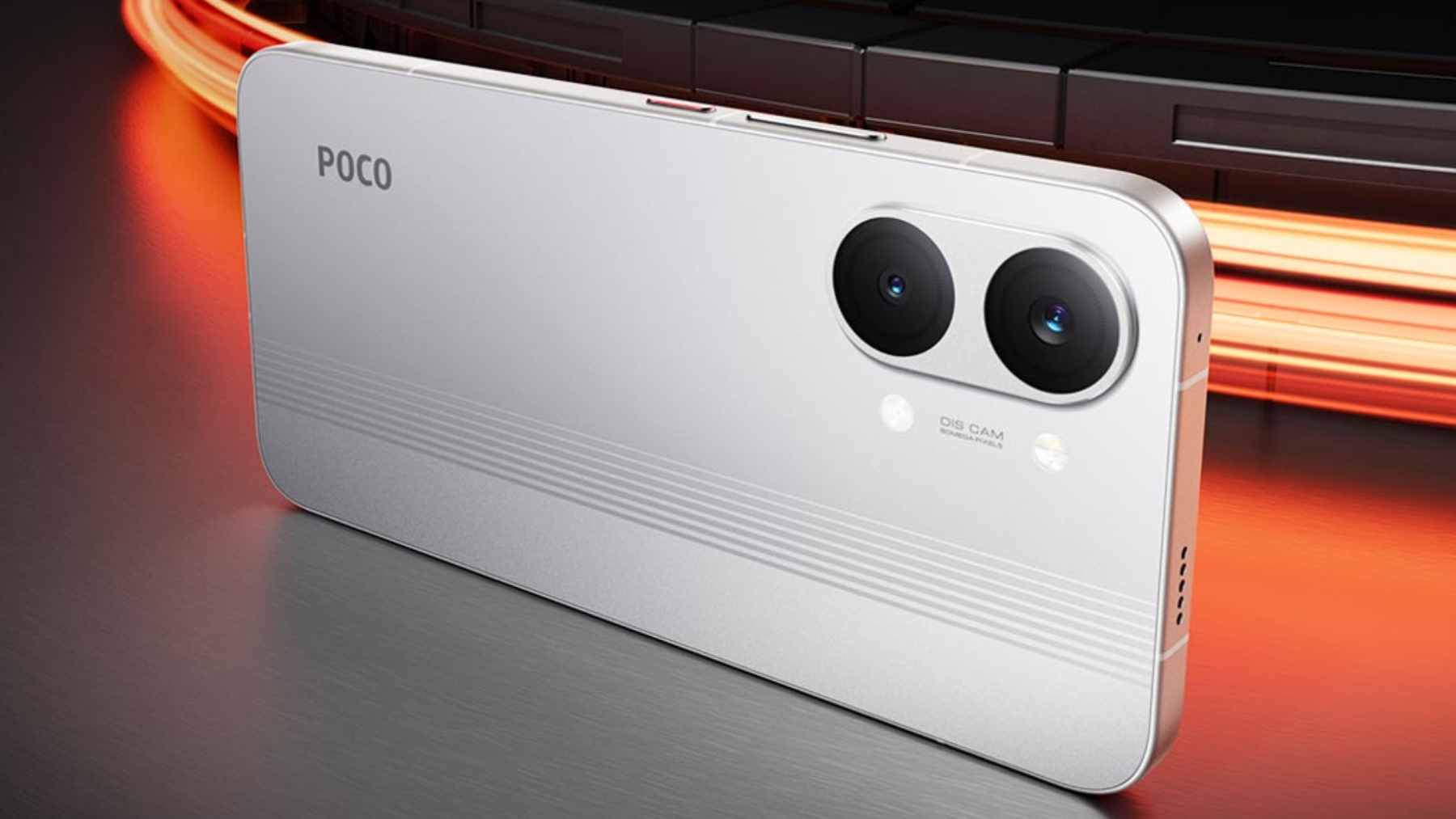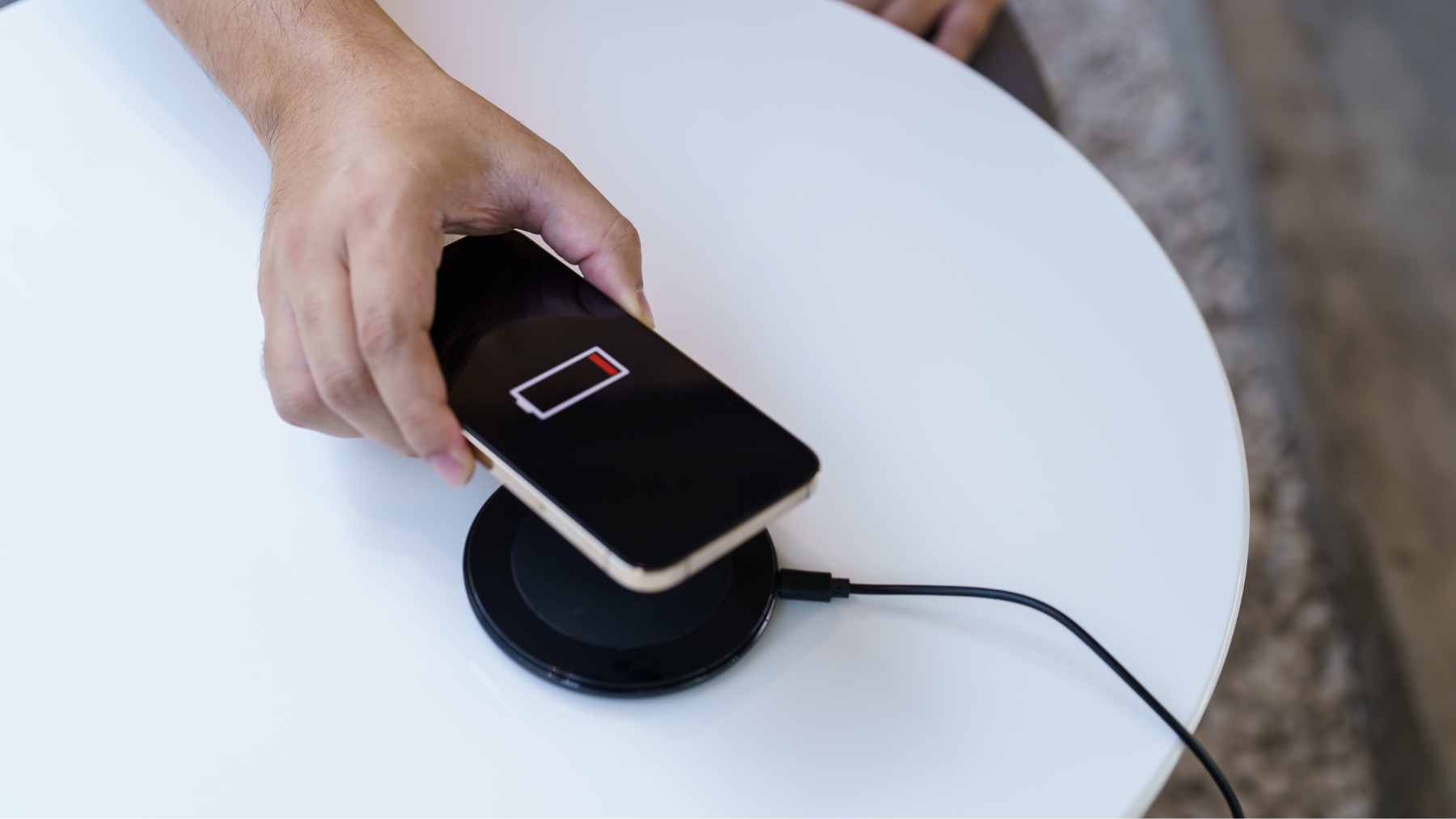
The next smartphone charging fight in Europe may not be about Lightning versus USB-C. It may be about whether a phone needs a port at all.
At MWC 2026, Tecno showed a modular concept phone that is just 4.9 mm thick and skips a wired charging port altogether, leaning instead on magnetic accessories like an ultra-thin power bank. The key point is that under current EU rules, that kind of device can still be legal.
What the EU common charger law currently says
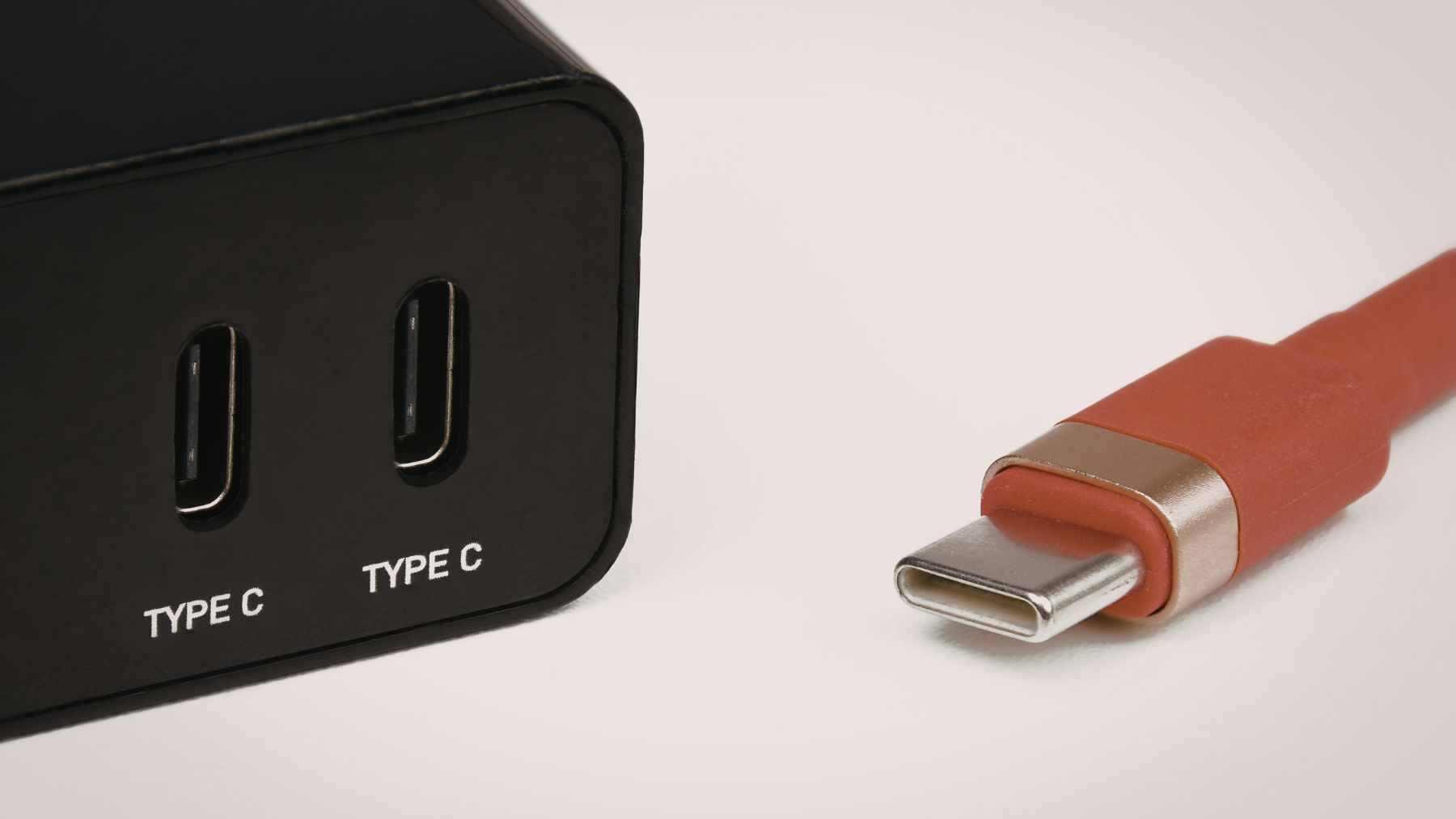
That may sound strange after Europe’s big push for one common charger. Since December 28, 2024, new phones and several other small electronics sold in the EU must support USB-C, and laptops join that list on April 28, 2026. But the law is narrower than many people think.
The directive applies to devices that are “capable of being recharged by means of wired charging,” which means that a phone with no wired charging at all does not have to include a USB-C port.
Reporting in 2025 also said an EU press officer confirmed that interpretation when questions came up around a possible portless iPhone.
Why fully wireless phones are still not mainstream
Are fully wireless phones about to flood store shelves? Probably not, not yet. Tecno’s device is still a concept, and concepts have a way of looking smoother on a trade show floor than in everyday life.
The company says the phone works with magnetic modules and uses pogo pins, Wi-Fi, Bluetooth, and mmWave to connect accessories.
That is clever, but for most people, the old habit still matters. Plugging in for a quick top-up before leaving the house is simple, familiar, and fast. A fully portless future still has to prove it can match that kind of convenience.
Why Brussels could face a new charging debate
The bigger story, however, is regulatory. Brussels pushed the common charger rule to cut waste and reduce the mess of old cables piling up in drawers.
By the European Commission’s estimate, discarded and unused chargers generate around 11,000 tonnes of e-waste each year, and the new rules could save consumers about €250 million annually on unnecessary charger purchases.
If phone makers now start moving toward portless hardware, the next debate may shift from cable standardization to wireless interoperability. Different problem, same drawer full of clutter.
USB-C still leads the market for now
For now, USB-C still defines the mainstream smartphone market in Europe. But Tecno’s prototype shows where the industry may try to go next. The cable is not dead. Still, the argument over what comes after it has clearly begun.
The official statement was published on the European Commission website.