Rising gasoline prices are already squeezing American households, and most drivers think the pain is not over. A Reuters/Ipsos poll found 55% of Americans say higher gas prices have hurt their household finances, and 87% expect prices to rise further in the next month.
The online survey polled 1,545 U.S. adults and had a margin of error of about 3 percentage points.
The immediate trigger is geopolitical, but the fallout goes well beyond politics. When a single shipping lane can jolt the cost of commuting, deliveries, and a weekend road trip, it becomes an ecology story too, because oil dependence ties budgets, security, and emissions to the same fragile system.
A price spike that is changing the conversation
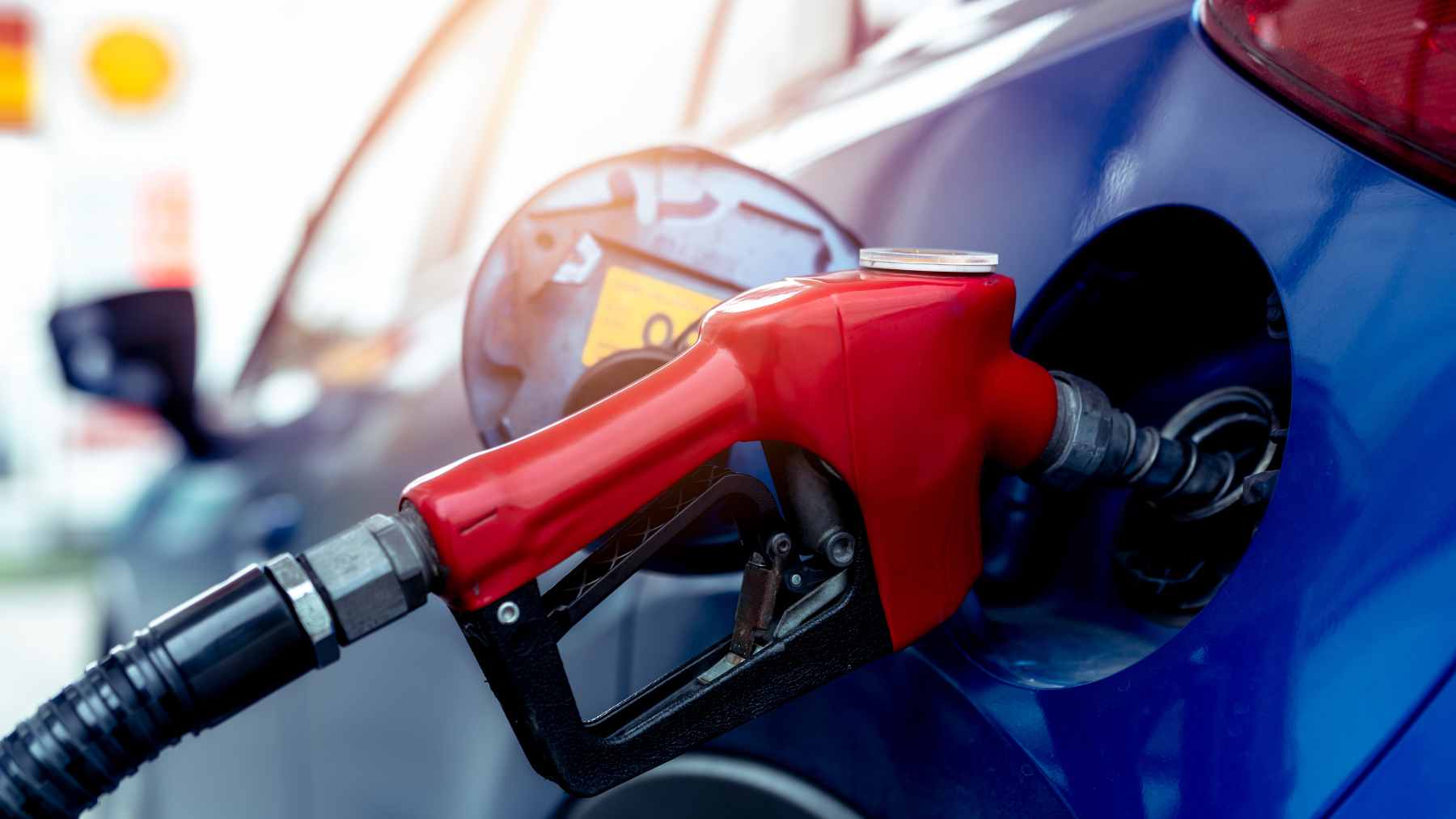
U.S. pump prices have jumped more than 30% since the conflict began in late February, pushing the national average close to $4 a gallon and reviving inflation worries. Reuters reported the U.S. average hit $3.88 per gallon as of March 19, with analysts expecting it could move above $4 soon.
The Reuters/Ipsos poll suggests the public is already connecting that spike to the cost of living. Respondents ranked the cost of living as the top issue likely to influence their vote in November, and President Donald Trump’s approval on the issue was 29% in the poll.
This is not just a number on a sign. For many households, gasoline is a weekly purchase that competes with groceries, rent, and the electric bill, and it hits hardest when there is no slack in the budget.
The Strait of Hormuz is a single point of failure
Why does a waterway thousands of miles away show up in your checking account? The U.S. Energy Information Administration estimates that about 20 million barrels per day of crude and products typically move through the Strait of Hormuz, roughly one fifth of global petroleum liquids consumption.
The International Energy Agency says shipping through the strait has been reduced to a trickle during the current crisis, tightening markets and pushing crude above $100 per barrel, with sharper moves in diesel, jet fuel, and LPG.
It also notes that member countries agreed on March 11 to release 400 million barrels from emergency reserves, while warning that supply measures alone cannot fully offset the disruption.
There is also a quieter environmental risk sitting behind the headlines. Reuters has reported disruptions to fertilizer flows and production, which can feed into higher food prices and tighter farm budgets in the months ahead.
Oil volatility keeps colliding with climate reality
Transportation is the largest source of U.S. greenhouse gas emissions, accounting for 28% of total emissions in 2022, and over 94% of transportation fuel is petroleum based, according to the EPA. That means every price shock is also a reminder that the biggest slice of the emissions pie is still connected to oil.
So will this crisis speed up the shift to cleaner options, or just deepen the political fight over drilling and prices? Reuters has reported early signs of rising interest in EVs and hybrids, but industry executives warn behavior usually changes only after months of sustained high prices.
Edmunds data suggests curiosity is already ticking up. Its weekly share of shoppers considering electrified vehicles rose to 22.4% in the week starting March 2, up from around 21% through much of January and February.
Defense planning is starting to look like energy policy
The poll also shows how quickly an energy shock turns into a military problem. Reuters reported the Trump administration has considered deploying thousands of additional U.S. troops to ensure safe passage of oil tankers through the Strait of Hormuz, an effort some officials have warned could require deployments to Iran’s shoreline.
At the same time, the Pentagon has been treating energy resilience as part of readiness for years, not as a side project. In its Plan to Reduce Greenhouse Gas Emissions, the Department of Defense says “initiatives that reduce GHG emissions can also create warfighting advantage” through efficiency and more resilient power at installations.
Fuel logistics also scale fast in the real world. The Defense Logistics Agency reported providing 230 million net gallons of bulk fuel in support to the U.S. Army in fiscal year 2025, a reminder that energy is not just a civilian concern.
What businesses and households can do now
The IEA’s advice is strikingly ordinary, and that is part of the point. Alongside supply actions, it argues that “addressing demand is a critical and immediate tool” and it lists steps like remote work, lower highway speeds, and more efficient freight.
For businesses, the near-term playbook looks like logistics, not magic. More efficient routing for delivery fleets, tighter maintenance, and fewer empty miles can reduce diesel burn, and those savings compound when fuel prices spike.
For households, the options range from small habits to big purchases. Some drivers will look at hybrids or EVs for insulation from volatility, while others will start with fewer miles and smoother driving, then reassess when the next fill-up hits.
The crisis will not last forever, but the vulnerability is built in as long as transportation runs mostly on oil.
The press release was published on International Energy Agency.