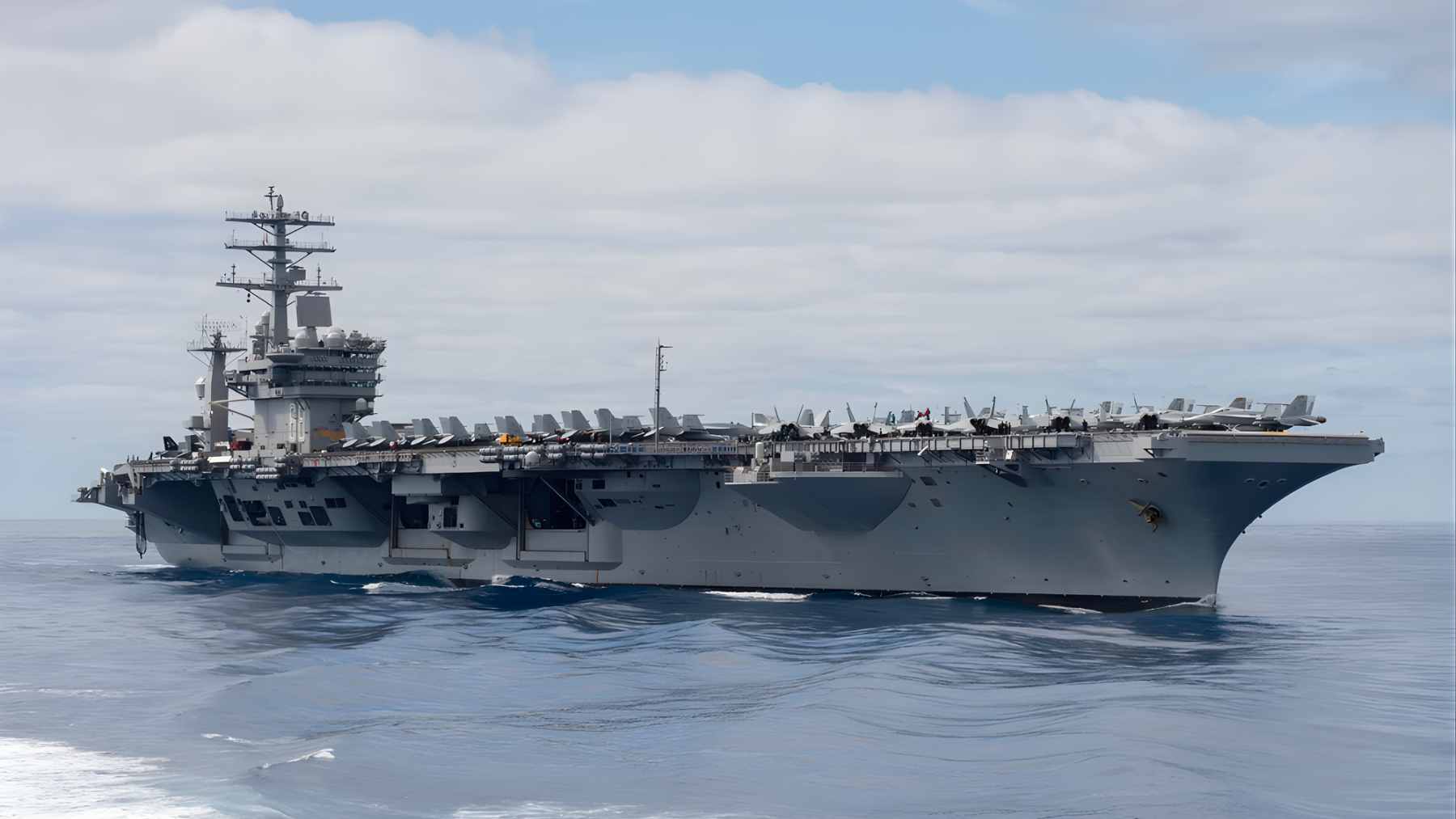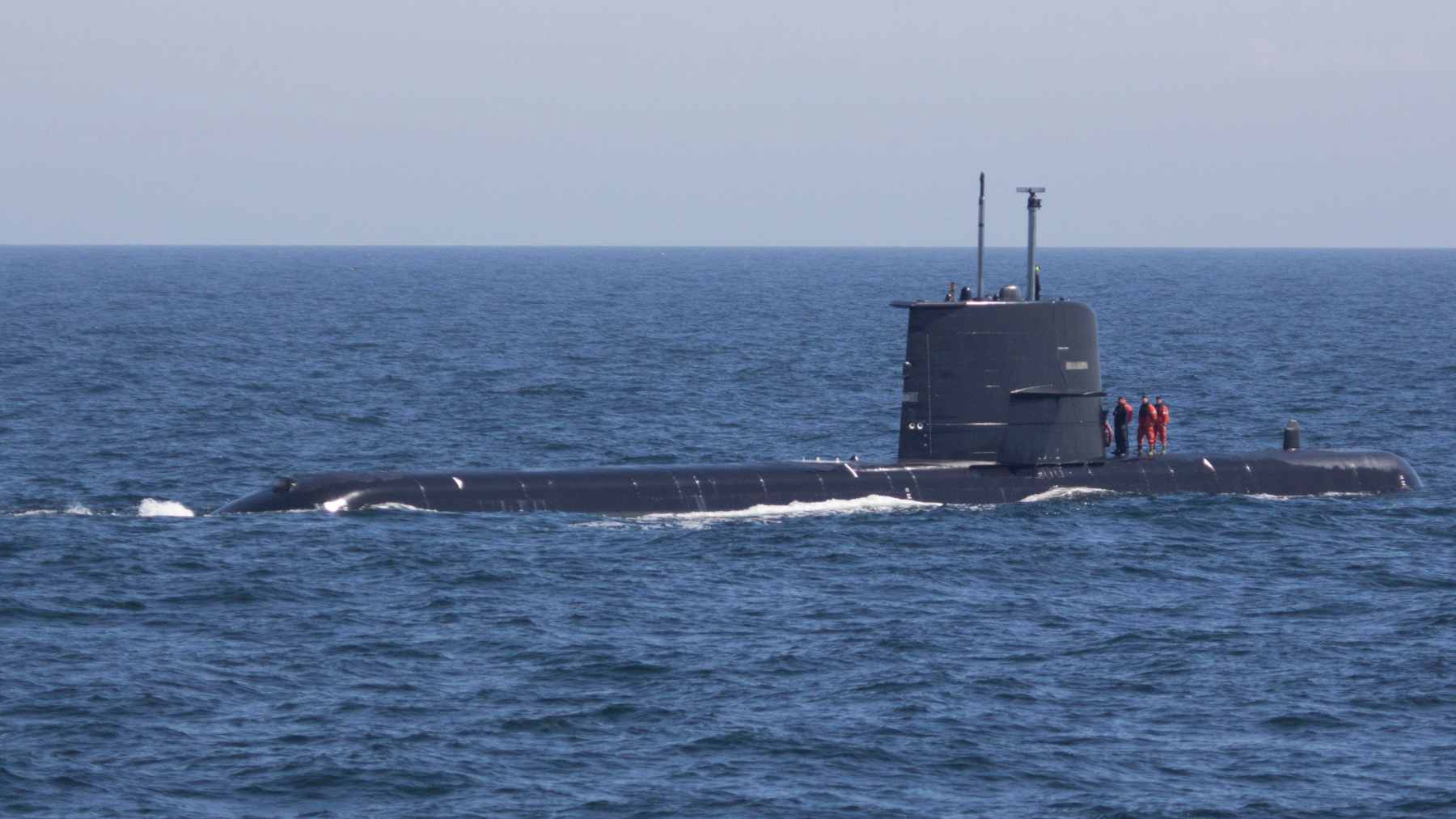
The UK’s Royal Navy says it has just wrapped up 10 days of “focused operations” shadowing Russian warships and a surfaced submarine as they moved through the English Channel and the North Sea. The Navy deployed multiple ships and helicopters, and it linked the mission to broader NATO coordination and to guarding “critical undersea infrastructure.”
That sounds like a straight military story, but it is also, to a large extent, an ecology and infrastructure story, because the same waters now host dense shipping traffic, expanding offshore renewables, and sensitive marine habitats.
Who pays attention to the ocean’s “soundscape” or the carbon footprint of maritime security until something goes wrong?
A busy 10 days on the water
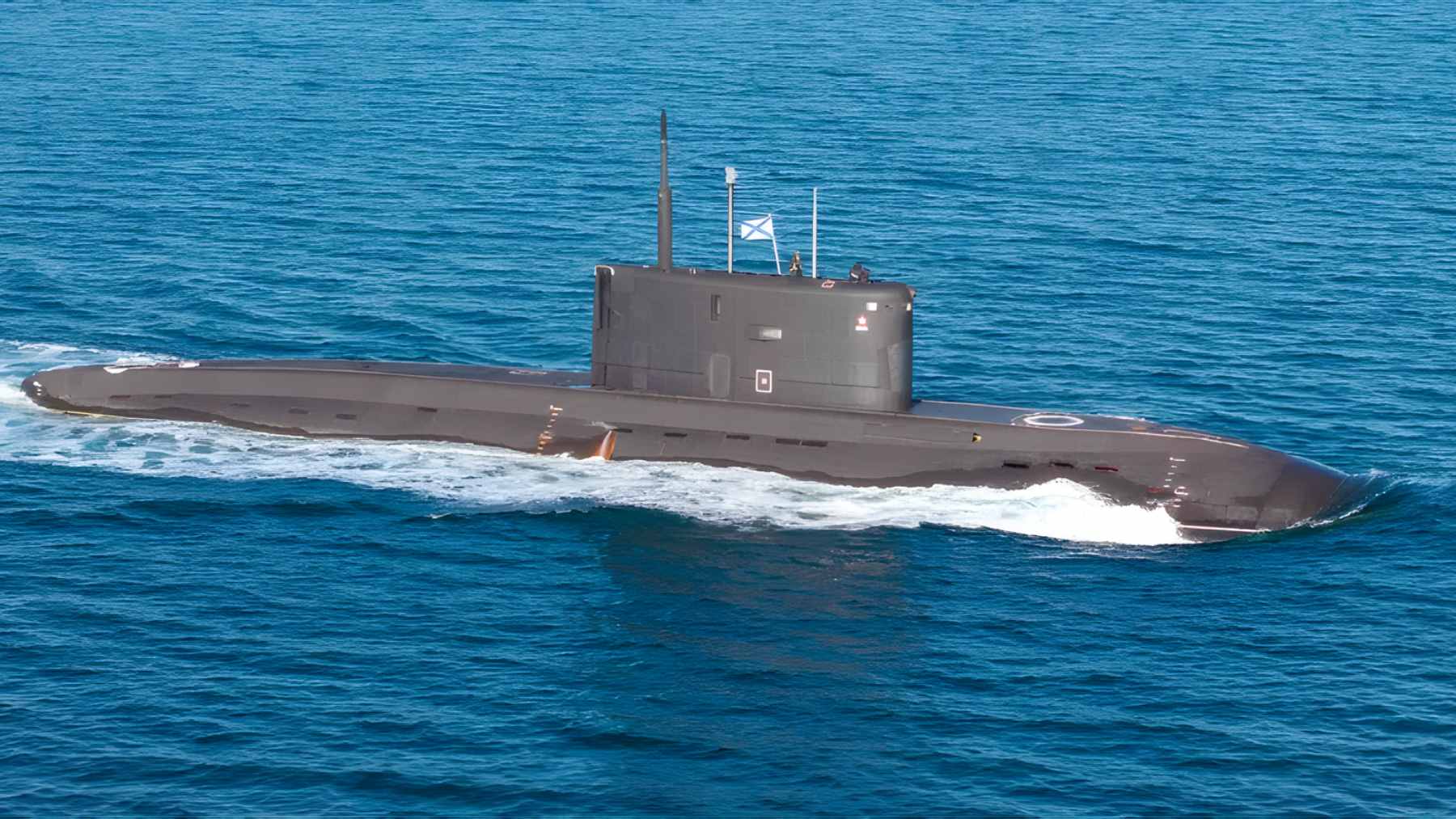
In its account, the Royal Navy says HMS Somerset, HMS St Albans, HMS Mersey and RFA Tideforce were dispatched to monitor four Russian Navy vessels, including a Kilo class submarine identified as Krasnodar. The operation ran between March 29 and April 7, spanning the Channel and North Sea approaches.
HMS Mersey, working alongside RFA Tideforce and a Wildcat helicopter, tracked the frigate Admiral Grigorovich, the landing ship Aleksandr Shabalin, and the submarine Krasnodar.
Separately, HMS Somerset intercepted the Udaloy class destroyer Severomorsk and an accompanying oiler named Kama, with the Navy highlighting Somerset’s radar and sensor suite during the watch.
The Navy also framed this as a sustained tempo problem, not a one-off. HMS Mersey’s executive officer, Lieutenant George Hage, said “our ability to provide a presence to monitor the Russian activity in UK water is no small feat,” pointing to what he described as increased activity in recent months.
The seabed is now part of the battlefield
One detail in the Navy’s release matters far beyond defense circles. HMS St Albans met HMS Somerset for a handover tied to “Operation Ceto,” which the Navy described as standing operations that monitor potential submarine activity in the North Atlantic and protect Britain’s strategic deterrent as well as critical undersea infrastructure.
In practical terms, “critical undersea infrastructure” is the plumbing of modern life. The International Telecommunication Union says submarine cables carry about 99% of the world’s Internet traffic, the invisible link behind cloud services, payments, and the videos that load on your phone in seconds.
And the North Sea is no longer just a sea lane. The European Commission’s North Seas Energy Cooperation explicitly focuses on scaling offshore renewable energy and developing offshore electricity and hydrogen grids, which means more subsea cables, more offshore assets, and more reasons for governments to treat the seabed like strategic territory.
Security operations have an environmental footprint, too
There is an uncomfortable overlap here. Ships, helicopters, and the logistics that keep them running burn fuel, and the wider maritime world is already under pressure to decarbonize because of its climate impact.
UNCTAD says shipping carries over 80% of world merchandise trade by volume and generates roughly 3% of global greenhouse gas emissions, a share that becomes harder to ignore when household budgets and energy politics are already tight.
Then there is underwater noise, which is easy to forget because humans do not live inside it. A Marine Mammal Commission report notes that major human sources of ocean sound include commercial shipping and sonar systems used for military purposes, and it explains that sound is central to how many marine mammals communicate, navigate, and find food.
The North Sea is a prime example of cumulative stress, with shipping, construction, energy projects, and defense activity layered on top of each other.
OSPAR has warned for years that understanding and assessing underwater sound impacts requires better monitoring and standardized methods, partly because cumulative effects are still difficult to quantify with confidence.
The same tech can protect nature if it is used that way
Modern maritime awareness is increasingly sensor-driven, and the Navy itself emphasized radars, sensors, and helicopter support during the operation. That technical backbone is built to spot vessels and patterns, but it can also help build a clearer picture of what is happening in heavily used seas.
Acoustic data is a good example. The policy debate often treats underwater sound as an environmental issue on one track and antisubmarine warfare on another, yet both depend on measuring, mapping, and interpreting the same physical environment.
International assessments have argued that improved monitoring of noise sources and species distribution is essential to understanding impacts, which is also the kind of situational awareness navies say they need.
The business side is already moving in this direction because the North Sea’s clean energy buildout depends on public acceptance and permitting. Ember has described the North Sea as the world’s largest offshore wind basin, with tens of gigawatts already operating, and every additional project increases the value of credible monitoring for both safety and biodiversity.
What to watch next
Policy is tightening around maritime emissions, and that will affect everything from commercial fleets to the suppliers that support them. The EU’s climate rules now bring maritime transport into the EU Emissions Trading System, starting with carbon dioxide and expanding coverage for methane and nitrous oxide, which turns cleaner operations into a financial issue, not just a reputation issue.
Globally, the International Maritime Organization’s 2023 greenhouse gas strategy sets a more ambitious direction, including a target to cut carbon intensity by at least 40% by 2030 compared to 2008, plus a push for zero or near zero-emission fuels to take a meaningful share of energy use by 2030.
That does not solve the defense sector’s footprint overnight, but it raises expectations for the broader maritime ecosystem that defense relies on.
So the next time you see a headline about a submarine, it is worth asking a second question: are we only protecting borders, or are we also protecting the seabed systems that keep the lights on and the ocean healthy?
The press release was published on Royal Navy.