Texas has oil wells that spit out hundreds of barrels a day, but the bigger environmental headache often comes from the ones that barely produce at all.
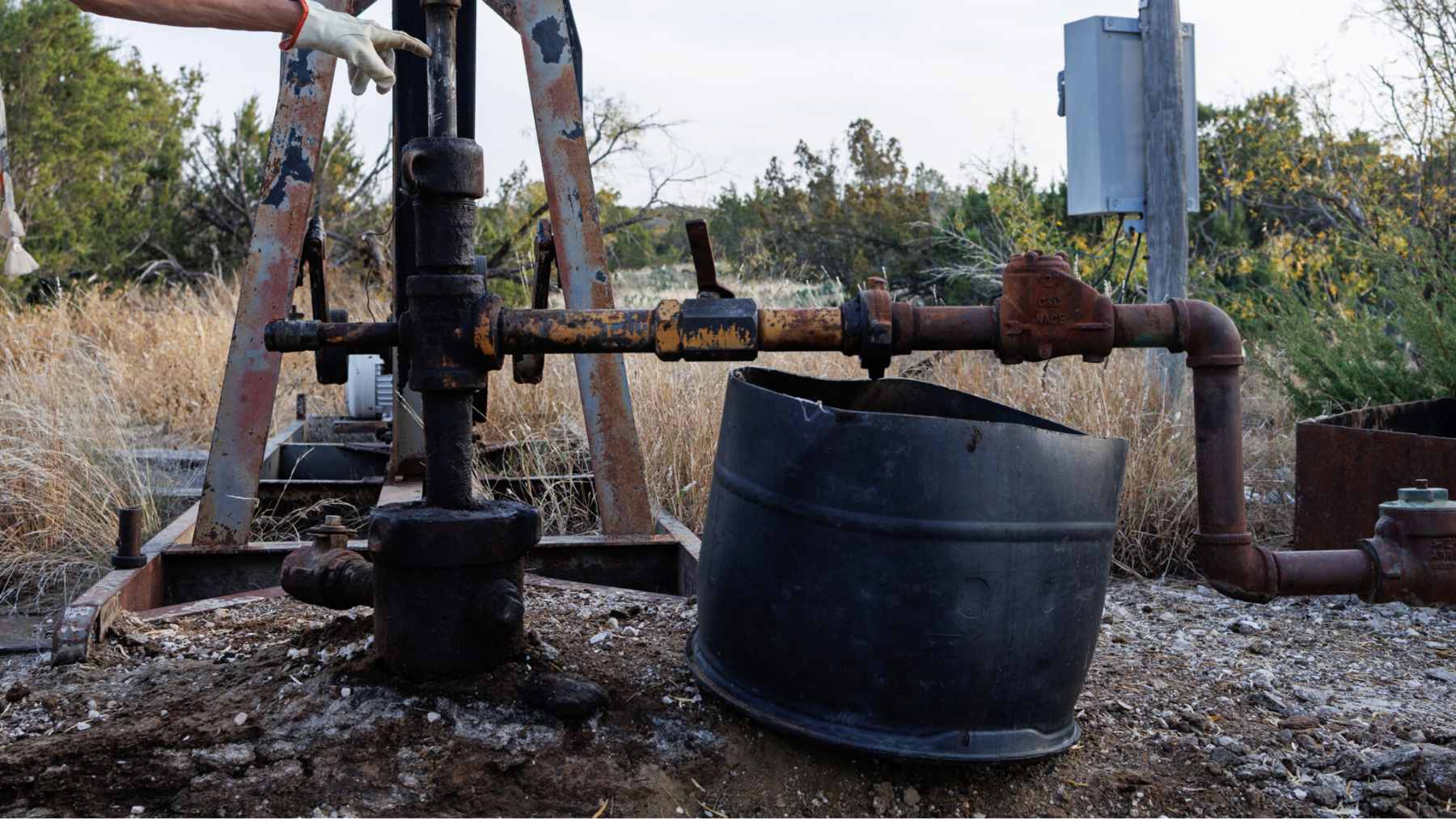
Across the state, tens of thousands of low-producing wells stay technically “active” under rules that let operators delay expensive plugging, leaving landowners stuck with lingering equipment, spill risks, and worries about groundwater.
Now, a growing mix of state rulemaking, federal methane money, and climate-minded defense planning is pushing the issue into a new phase. The question is whether Texas can close the gap between paper compliance and real-world cleanup before today’s marginal wells become tomorrow’s orphan wells.
The “barely producing” wells driving a big pollution problem
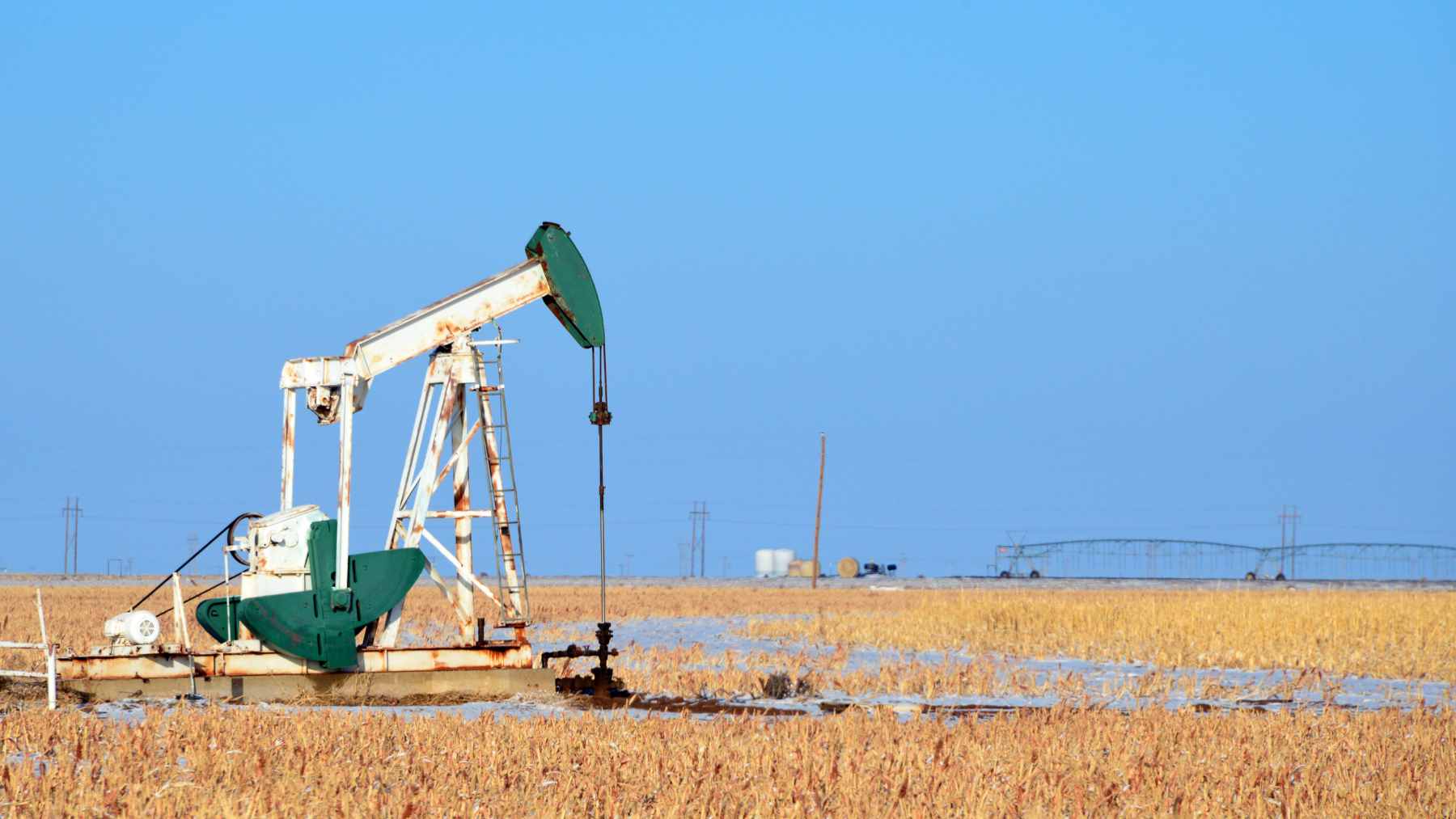
In Texas, a well can stay active with surprisingly low output. To remain active, an oil well generally must produce at least five barrels for three straight months or at least one barrel over 12 consecutive months, a threshold that critics say encourages minimal production rather than responsible closure.
About two-thirds of active oil wells in the state, roughly 99,000, produce under 10 barrels a day, according to reporting that cites state regulators. For landowners, the stakes are personal, with pumps and tanks sitting near pastures, fences, and water sources they rely on for daily life.
When a marginal operator runs out of money, an unplugged well can become “orphaned,” pushing the plugging bill onto the state. Texas has reported a backlog of more than 11,000 orphan wells, alongside more than 159,000 inactive wells that can feed that pipeline over time.
Why the paperwork can look “fine” while the land gets messier
A central dispute in cases like Jackie Chesnutt’s ranch near San Angelo is whether wells are truly producing or simply being kept alive on paper. Operators report production monthly to the Railroad Commission, but those reports can be filed at the lease level rather than the individual well level, which can blur what is happening at each site.
In the Chesnutt case, inspection notes raised questions about tank volumes versus reported production, and the operator said auxiliary tanks and third-party reporting explain the mismatch. That kind of discrepancy is hard for most landowners to untangle, especially when the people who live next to the equipment are not the ones filing the forms.
Spills add another layer. The Railroad Commission said the lease had multiple pollution violations that were later “resolved” after reinspections, but the landowner described repeated oil and produced-water releases that triggered costly water testing and fear of long-term contamination.
The quiet climate angle: Methane from marginal wells
Even when oil output is tiny, the climate impact can be outsized because wells and associated equipment can leak methane.
A Congressional Research Service summary describes methane’s warming impact as roughly 80 times stronger than carbon dioxide over the first 20 years after it is released, which is why regulators treat leaks as more than a local nuisance.
The U.S. Environmental Protection Agency notes methane traps far more heat than carbon dioxide over a 100-year timeframe, even though it persists for a much shorter period. That time mismatch is exactly why cutting methane can feel like an “emergency brake” on warming, even while the world still has to tackle long-lived CO2.
Texas is not alone in wrestling with this. New Mexico, for example, has proposed classifying very low-producing wells as “no beneficial use,” which would force plugging and reduce the chance the state inherits cleanup costs later.
What’s changing: New Texas rules and new federal money
In 2025, Texas passed Senate Bill 1150, which requires plugging certain wells that are more than 25 years old and have been inactive for at least 15 years, unless they qualify for exemptions. It is meant to slow the flow of inactive wells into the orphan-well backlog, but enforcement will depend on how aggressively the state applies the law.
At the same time, the federal Inflation Reduction Act created a $350 million pool to support voluntary plugging of marginal conventional wells, specifically to cut methane emissions.
Under that program, EPA and DOE describe formula grant funding that helps states measure emissions and permanently plug low-producing wells on nonfederal land.
Texas received the largest award in that tranche, and the Texas Commission on Environmental Quality is building a grant program to prioritize and select wells for plugging. The agency says its program is still under development, with plans to issue grant solicitations and to rely on operators volunteering to participate.
The defense and tech angle: Energy security is now part of “climate security”
It sounds far removed from a West Texas ranch, but the national security world is paying attention to climate-driven risks, from wildfires to heat stress to damaged infrastructure.
The Defense Department’s own climate adaptation planning frames climate impacts as threats to readiness and long-term operational capacity, and methane mitigation fits into that broader push to reduce energy waste.
On the tech side, the same methane problem that worries landowners is accelerating better monitoring. Optical gas imaging, satellites, and low-cost sensors can increasingly pinpoint “super-emitters,” which could help states target which marginal wells should be plugged first.
Still, none of that matters if the policy incentives stay backwards. If producing a token barrel a month is cheaper than plugging a well, the market will keep choosing delay, and landowners will keep getting stuck with the mess.
What readers should watch next
The key question is whether Texas’ new rulemaking and federal grant programs can move fast enough to get ahead of the orphan-well curve.
Watch for how the Railroad Commission defines inactivity, how it audits production reporting, and whether it tightens timelines for marginal wells that have effectively reached end of life.
Also watch whether voluntary grants are enough. Programs like TCEQ’s are designed to help small operators do the right thing, but they depend on participation, and the state still needs a backstop for companies that go under.
If you live near old oil infrastructure, this is the practical takeaway: more plugging means fewer leaks, fewer spill cleanups after heavy rains, and fewer surprises on the land you actually use, whether that’s grazing animals or just trying to keep your well water clean.
The official program description was published on the Texas Commission on Environmental Quality website.