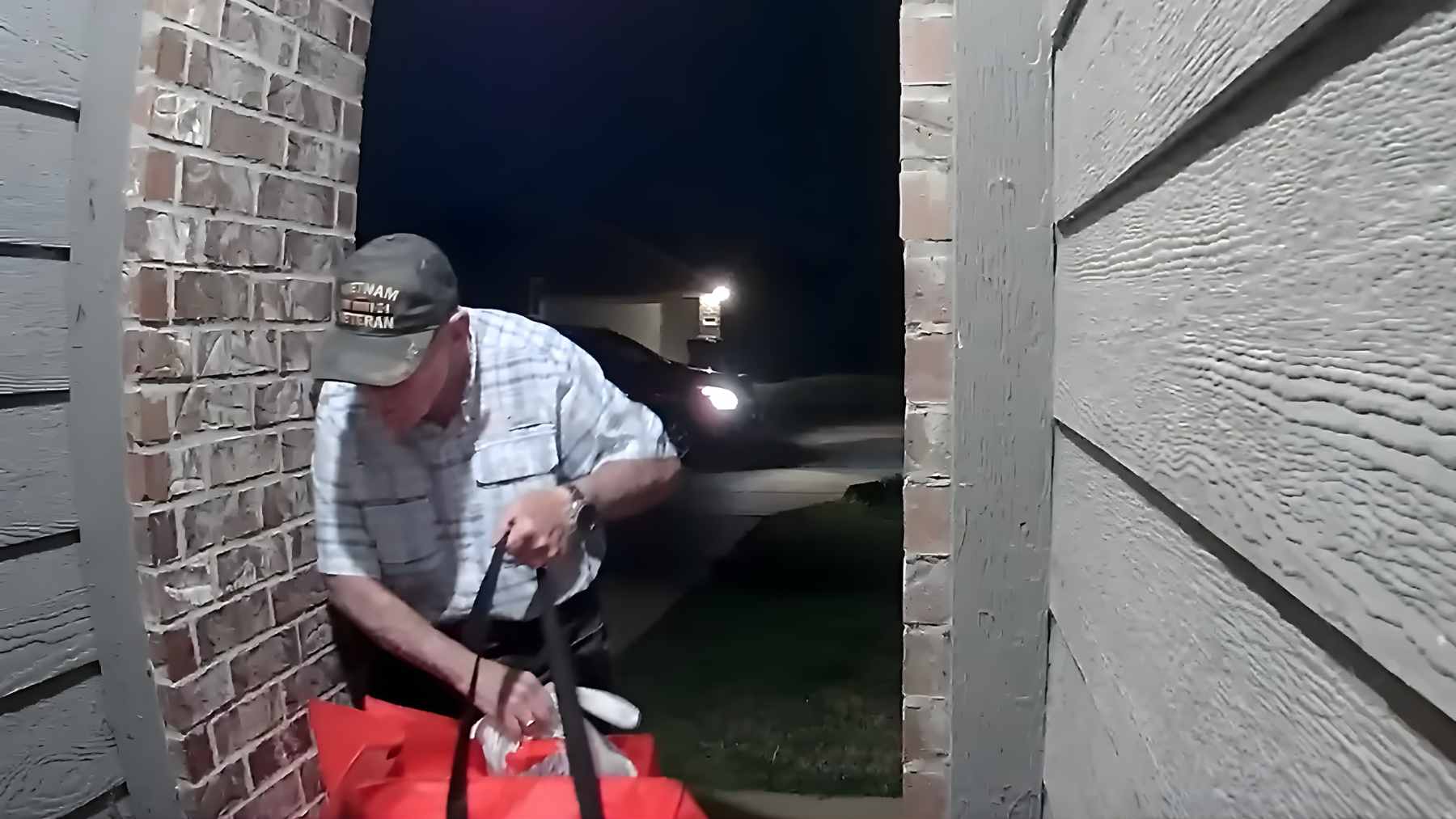
A doorbell camera caught a moment that felt painfully ordinary in modern America. A 76-year-old Vietnam veteran, Larry Philip Colvin, was dropping off a late-night order for DoorDash because his family needed help paying medical bills.
The donations that followed were big enough to change his life, but the story also points to a another issue that rarely makes the headlines: transportation is still a major climate problem in the U.S., and the “last mile” culture of fast deliveries is quietly adding more vehicles, more miles, and more emissions to the places where we live.
A doorbell clip that changed one life
CBS Texas reported that Colvin grew up on a farm in Illinois, served in Vietnam, and spent decades working with heavy equipment before returning to work again in his seventies. He put it simply, saying, “I learned from my grandfather to work, work, and work.”
Medical expenses and other bills pushed him out of retirement, and he ended up delivering for DoorDash six days a week. He also said the job came with the physical wear and tear you would expect, “Always get a little nicks and bumps and bruises.”
The turning point came after Savannah Saulters saw him on her doorbell camera and started an online fundraiser. After CBS News Texas profiled Colvin, the effort rose from about $8,000 to more than $95,000, and Colvin said the support “helps restore my faith in humanity a little bit.”
Convenience has a carbon footprint
It is easy to think of delivery as “just one car,” especially when you are tired and dinner shows up at the door. But the Environmental Protection Agency says transportation accounted for 29% of U.S. greenhouse gas emissions in 2022, and it remains the largest source when counting only direct emissions.
Now zoom in on city streets, where delivery vans double park and drivers circle the block hunting for curb space. A World Economic Forum article tied to a WEF and Accenture white paper warns that if the status quo holds, the number of delivery vehicles on urban roads could rise more than 60% by 2030.
And what happens to emissions when the fleet grows that fast? The same WEF article says emissions from “last-mile” deliveries are projected to rise 60% by 2030 and could account for 13% of cities’ total carbon emissions. You can feel the impact in the traffic and sometimes in the air when you step outside after a busy dinner rush.
Medical bills are pushing people into the driver’s seat
Colvin’s story is not only about work ethic, it is about the financial pressure behind it. KFF reports that in 2022, about four in ten adults said they had debt from medical or dental bills, and health care costs remain a top financial worry for many families.
This is where the gig economy becomes part of the environmental conversation, even if it does not sound like climate policy at first. The Bureau of Labor Statistics found that in July 2023, 7.4% of workers were independent contractors on their sole or main job, and it notes that independent contractors tend to skew older compared with workers in traditional arrangements.
So when a community steps in to help a veteran retire, it is a human win, no question. But it also hints at a system where health costs, platform work, and car-dependent delivery routines all collide on the same neighborhood streets.
Tech and business fixes are starting to show
Delivery platforms know this pressure is building, and some are trying to bend the curve. In its 2024 Environmental Sustainability Update, DoorDash says it has been net-zero across scope 1 and scope 2 emissions globally for the fourth year in a row, while describing delivery emissions and packaging waste as its biggest climate opportunities.
The same update points to a shift in how deliveries are made. DoorDash says its two-wheel delivery volume more than doubled in 2024 compared to 2023, including an over 360% increase in e-bike deliveries and over 140% growth in scooters.
There are also practical money angles for workers, not just climate math. DoorDash includes quotes from EV couriers who say fuel and maintenance costs can drop sharply, and the company says Dashers can get 2% cash back on EV charging and access programs tied to EV awareness in California.
Rules and defense logistics are also shifting
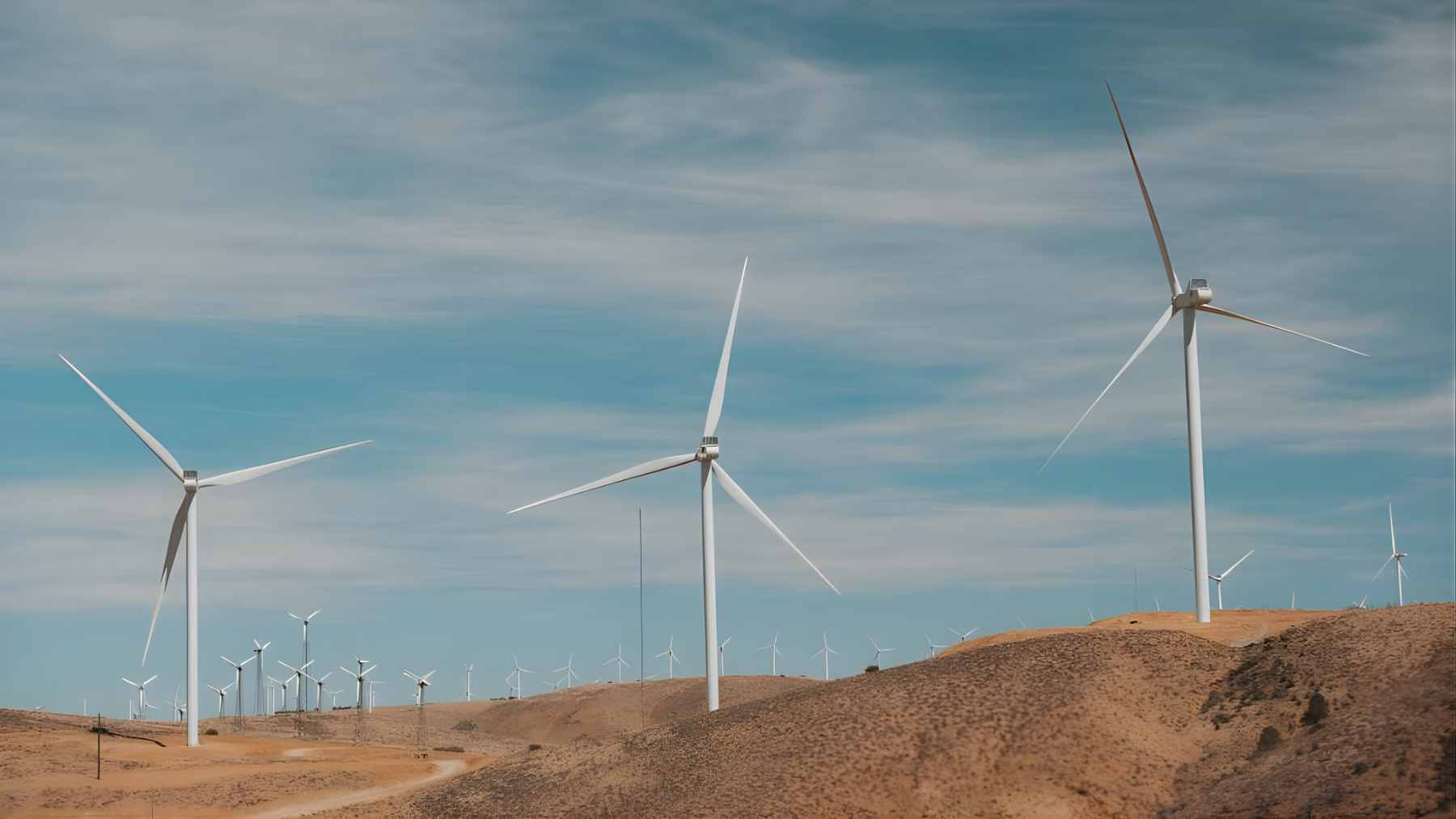
Policy is moving too, and not only in the consumer car lane. Reuters reported that the EPA finalized tighter tailpipe emissions standards for heavy-duty vehicles for model years 2027 through 2032, covering vehicles that include delivery trucks, and the agency projected large emissions reductions over time.
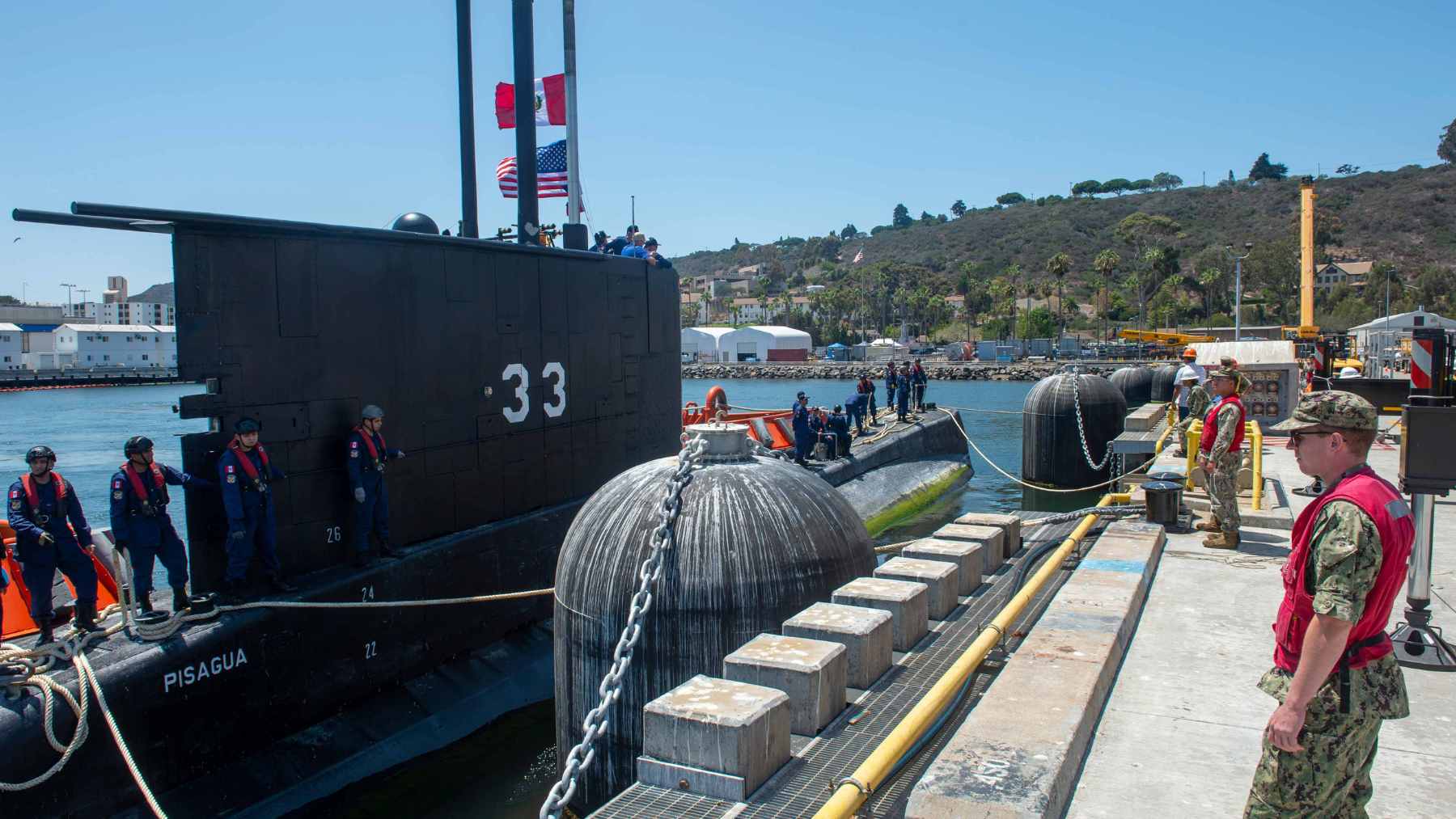
Military and defense infrastructure is part of this broader trend toward resilience, because energy and logistics are not abstract in that world. The Associated Press reported that the Pentagon planned rooftop solar panels as part of a federal push to expand carbon-free electricity and improve energy resilience at major facilities.
So what should readers keep in mind next time the doorbell camera pings? Watch for whether cities and companies expand bike and e-bike delivery, smarter curb rules, and consolidated drop-off options, because the WEF warning is clear that “business as usual” means more vehicles and more emissions in daily life.
The official statement was published on U.S. Environmental Protection Agency.