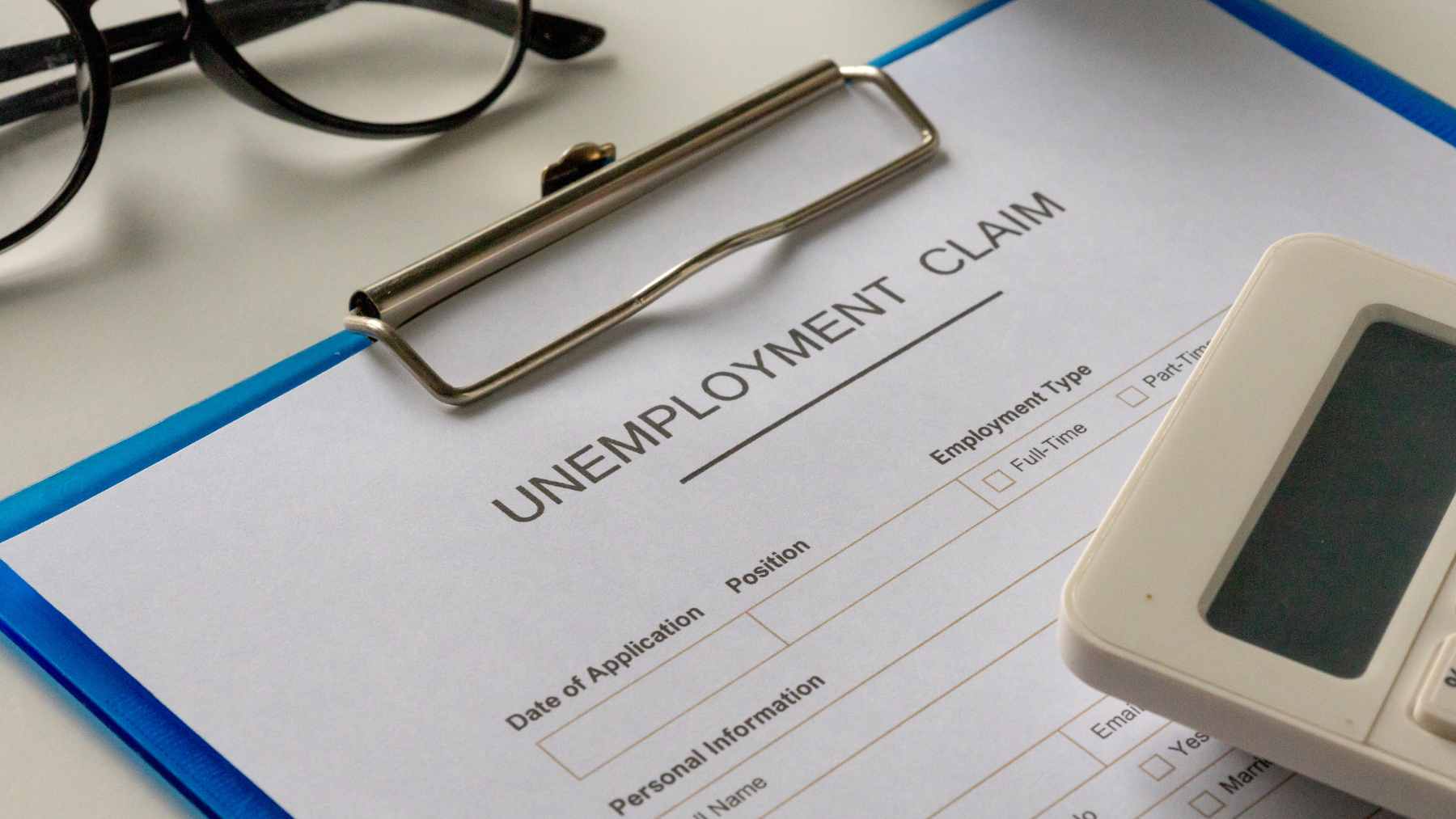
A partial shutdown at the Department of Homeland Security (DHS) has left Transportation Security Administration (TSA) officers working without pay, while President Donald Trump has moved Immigration and Customs Enforcement agents into airports and Elon Musk has floated the idea of privately covering TSA wages.
On its face, it is a political standoff with predictable fallout: longer lines, frustrated travelers, and more pressure on a workforce already stretched thin.
But at the same time, airports are also being pushed to cut emissions, reduce local air pollution, and brace for climate disruption, which means this funding crisis is colliding with a parallel race to modernize how aviation works.
An airport shutdown is also a climate story
When security lines grow, the first thing most people notice is the clock. What is easier to miss is that congestion changes the emissions math on the ground, because the idling cars on access roads, the diesel tugs hauling baggage, and the auxiliary power units humming at gates do not pause just because politics does.
The International Civil Aviation Organization notes that vehicle traffic and emissions are among the largest contributors to environmental impacts around airports, which also include water use, waste, noise, and local air pollution.
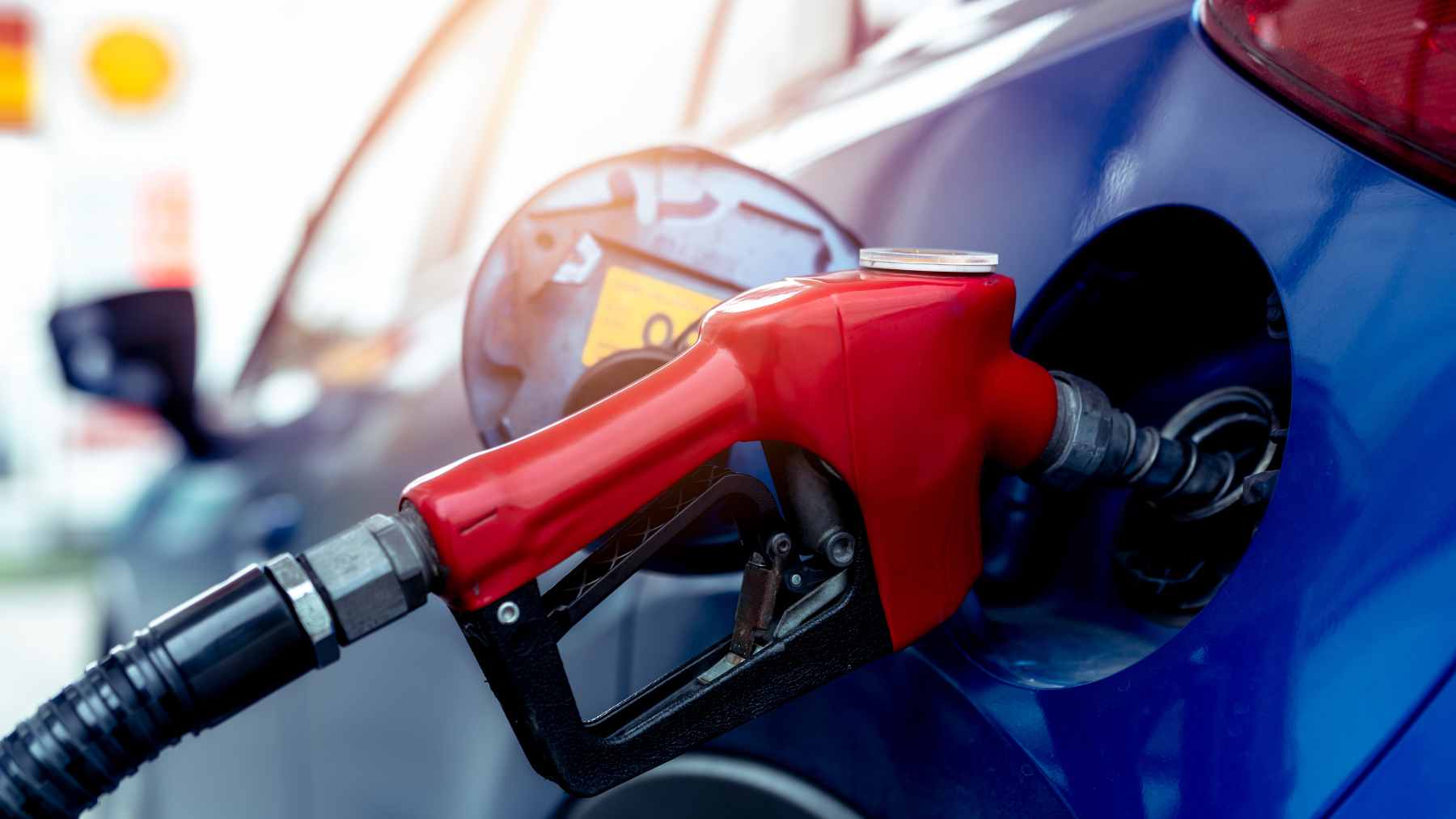
The Alternative Fuels Data Center, which is run by the US Department of Energy, has long warned that even 30 seconds of idling can burn more fuel than restarting, and that idling can consume a quarter to a half gallon of fuel per hour depending on engine size and air conditioning use.
Why airport emissions are in the spotlight
Airports do not just move people. They are giant energy users with fleets of ground vehicles, heating and cooling systems that run nonstop, and constant demand for water, power, and maintenance, which is why airport climate projects can touch everything from the jet bridge to the electric bill.
Aviation is also under pressure because it is growing faster than many other sectors. Our World in Data estimates aviation accounts for about 2.5% of global CO2 emissions, and that share can climb in the future if demand keeps rising.
That makes the current TSA funding freeze more than a labor story. If passenger flows bog down for weeks, the extra idling, the reroutes, and the operational inefficiencies all add up, especially at big hubs where even small delays ripple through thousands of vehicles and aircraft movements.
The VALE program and the “boring” tech that matters
The Federal Aviation Administration’s Voluntary Airport Low Emissions program is designed to help airports in pollution hot spots swap old equipment for cleaner options. It often funds things that are not glamorous, like electric baggage tractors, gate electrification that lets aircraft shut down their engines, and charging stations for ground support equipment.
That hardware matters because it cuts emissions in the places people actually breathe. According to the FAA, by the end of 2023 the VALE program had supported projects at more than 50 airports and prevented roughly 730 tons of nitrogen oxides.
The catch is timing. A shutdown-era staffing crunch can slow down procurement and oversight at the exact moment airports are trying to electrify operations and reduce diesel reliance.
Aviation’s emissions problem is bigger than the planes
One of the most misunderstood points in aviation climate talk is that airports have a large footprint that is not just jet fuel. Ground access, terminal power, de-icing, maintenance, and even food supply chains all sit in the emissions ledger, which is why cleaner aviation is partly an airport design story.
Sustainable aviation fuel is often framed as the long-term fix for the aircraft side, and for good reason. The US Sustainable Aviation Fuel Grand Challenge sets a goal of producing 3 billion gallons of SAF per year by 2030 and 35 billion gallons by 2050, which would cover a significant share of current US jet fuel use if it scales.
But SAF is not a magic switch. It depends on feedstocks, refinery capacity, land use trade-offs, and real lifecycle accounting, and those details are still being hammered out by regulators and industry.

National security is not separate from sustainability
This crisis also sits at an awkward intersection of security policy and environmental reality. If the federal government can’t reliably fund basic airport screening, it raises questions about how resilient critical infrastructure really is in an era of extreme weather, cyber risk, and geopolitical stress.
The same is true for the military and defense world, which relies heavily on aviation, logistics, and fuel. Cleaner jet fuel is not just a climate policy, it is also a resilience play when supply chains are disrupted or when bases face flooding, heat, and wildfire smoke.
And the physical risks are real. A Brookings analysis found that sea level rise and storm surge threaten dozens of US airports, and that many are not yet prepared for the long-term impacts of climate change.
What comes next for airports and passengers
In the short term, the math is simple. If TSA officers keep calling out because they can’t cover rent or gas, lines will get worse and airports will bleed efficiency during a peak travel period.
The broader cost is that delays and chaos can slow the quieter work of reducing pollution and modernizing airport operations.
Put simply, the same traveler stuck in a two-hour security line is also stuck in a system that is burning extra fuel outside the terminal. It is a reminder that airport climate progress is not only about new fuels and futuristic aircraft, it is also about stable funding, staffing, and the unglamorous grind of keeping systems running.
The official brochure for the Voluntary Airport Low Emissions program was published on FAA.gov.