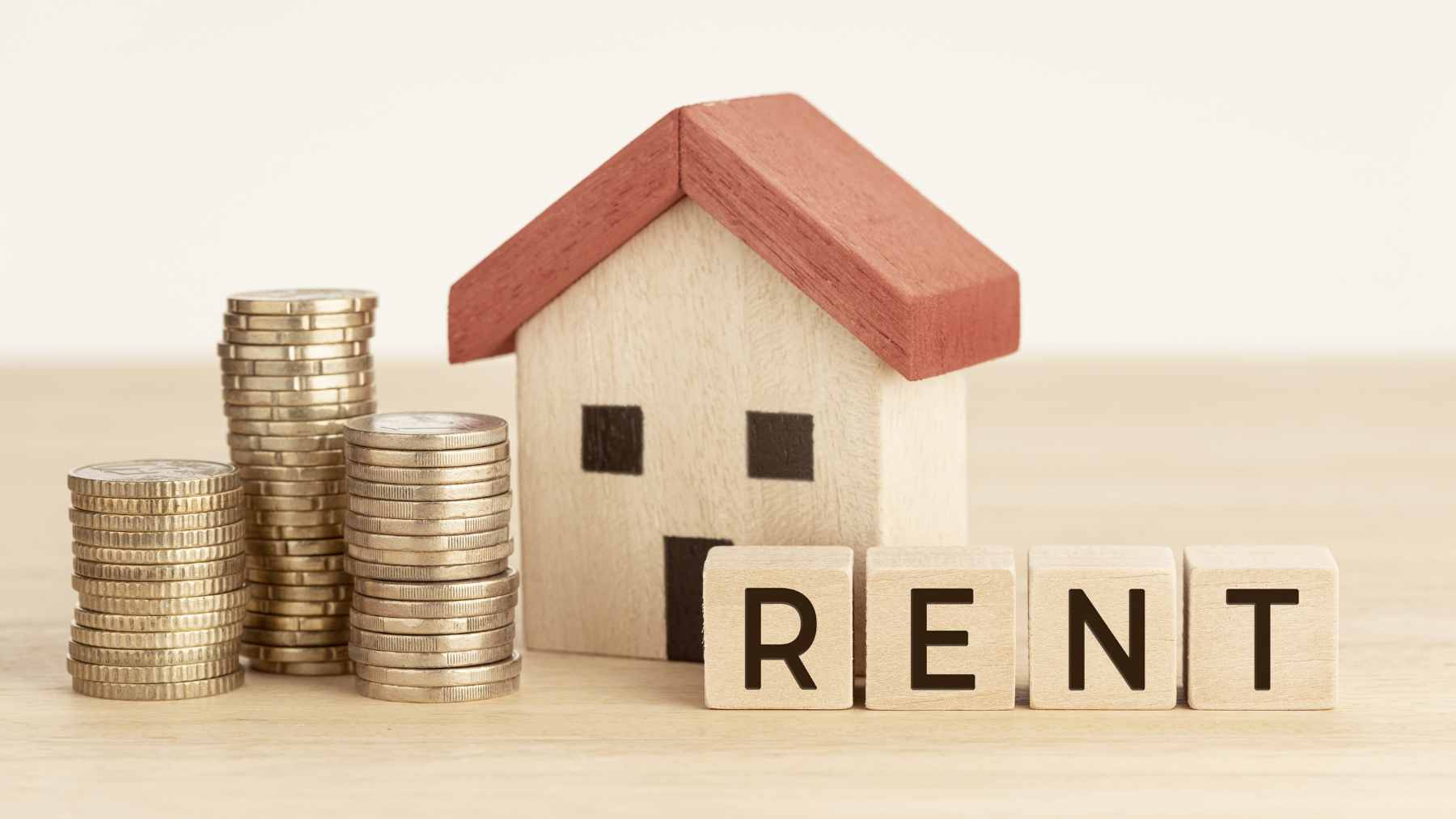
What happens when the meetings stop, the inbox goes quiet, and nobody needs an answer by noon? For a lot of retirees, the surprise is not financial. It is emotional.
A recent first-person account captured that shift with striking clarity, showing how a person can leave work with plenty of savings, only to find themselves filling the morning by organizing the garage just to recreate a sense of structure. That uneasy silence is not just anecdotal.
The World Health Organization says older adults can face a “reduced sense of purpose with retirement,” while social isolation and loneliness affect about a quarter of older people.
Why retirement can hit harder than expected
For the most part, the real shock is not about free time. It is about identity. Work does more than cover the mortgage or the grocery bill. It gives people routines, social ties, and a reason to feel useful on an ordinary Tuesday.
The National Institute on Aging says depression is “not a normal part of aging,” but it also warns that spending too much time alone can raise feelings of depression or anxiety.
In a 2026 study of 296 retired older adults, researchers found that more positive retirement experiences were linked to higher life satisfaction, and social participation helped explain why.
Money cushions the fall but it does not replace purpose
That is the part many retirement plans still miss. Saving matters. Of course it does. But money cannot fully replace the role work once played in daily life. A 2025 overview of 15 systematic reviews found that the effects of retirement vary widely.
Retirees with higher socioeconomic status often report better mental health and more physical activity, while lower-income retirees are more likely to see declines in both areas.
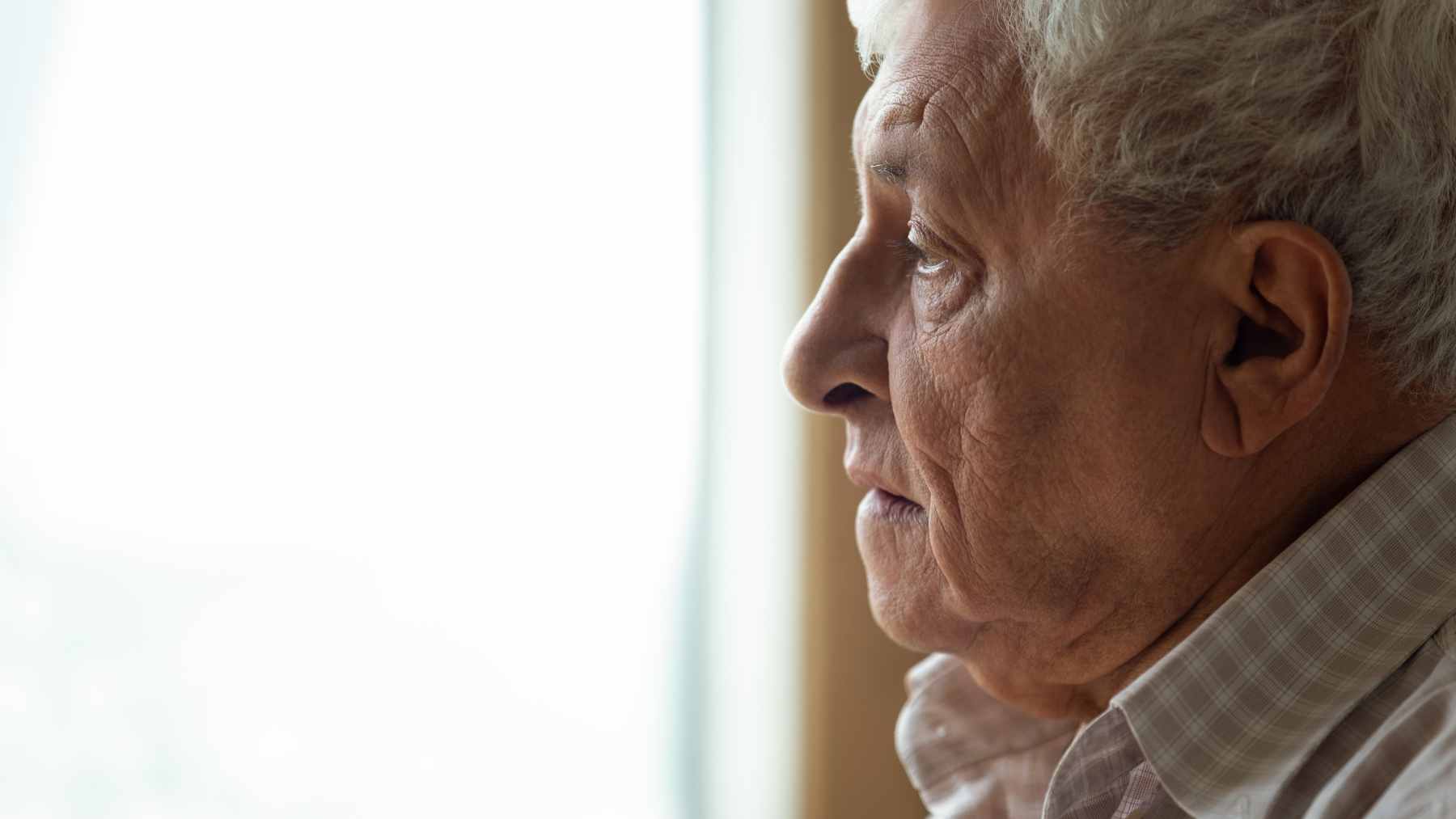
In practical terms, a bigger nest egg may soften the landing, but it does not automatically answer the question of what makes the day matter. And that is where the transition gets complicated.
What seems to help most
The clearest lesson from the research is surprisingly simple. Meaningful activity beats performative busyness. The NIA says hobbies, volunteering, time with family, and community involvement can support healthy aging, and older adults who do activities they find meaningful often report feeling happier and less depressed.
That sounds almost too ordinary, but maybe that is the point. The dog still needs a walk.
The coffee shop still opens at the same hour. A neighbor still needs help moving something heavy. Small routines do not solve everything, but they can become anchors while a person builds a life that feels needed again.
The study was published on BMC Public Health.