Spain is moving close to a major evacuation milestone. Foreign Minister José Manuel Albares said on March 10 that 5,685 people had already been brought out of the Middle East and that the total would reach 6,000 that same day, as a third Spanish military aircraft arrived from Oman carrying 250 civilians.
In a region shaken by widening conflict, the message from Madrid was simple enough. Keep every route open that still works, and keep people moving.
This is not just a headline number. It is a test of how fast a European government can combine diplomacy, military lift, and consular support when commercial travel turns uncertain almost overnight. Albares said Spain had completed nine evacuations by land and three by air.
Before the crisis, around 31,000 Spaniards were in the region. He also said the goal was “to repatriate every last Spaniard who wishes to do so,” while noting that the Iran channel was the only one no longer open after that evacuation was completed.
Military flights from Oman expand the evacuation effort
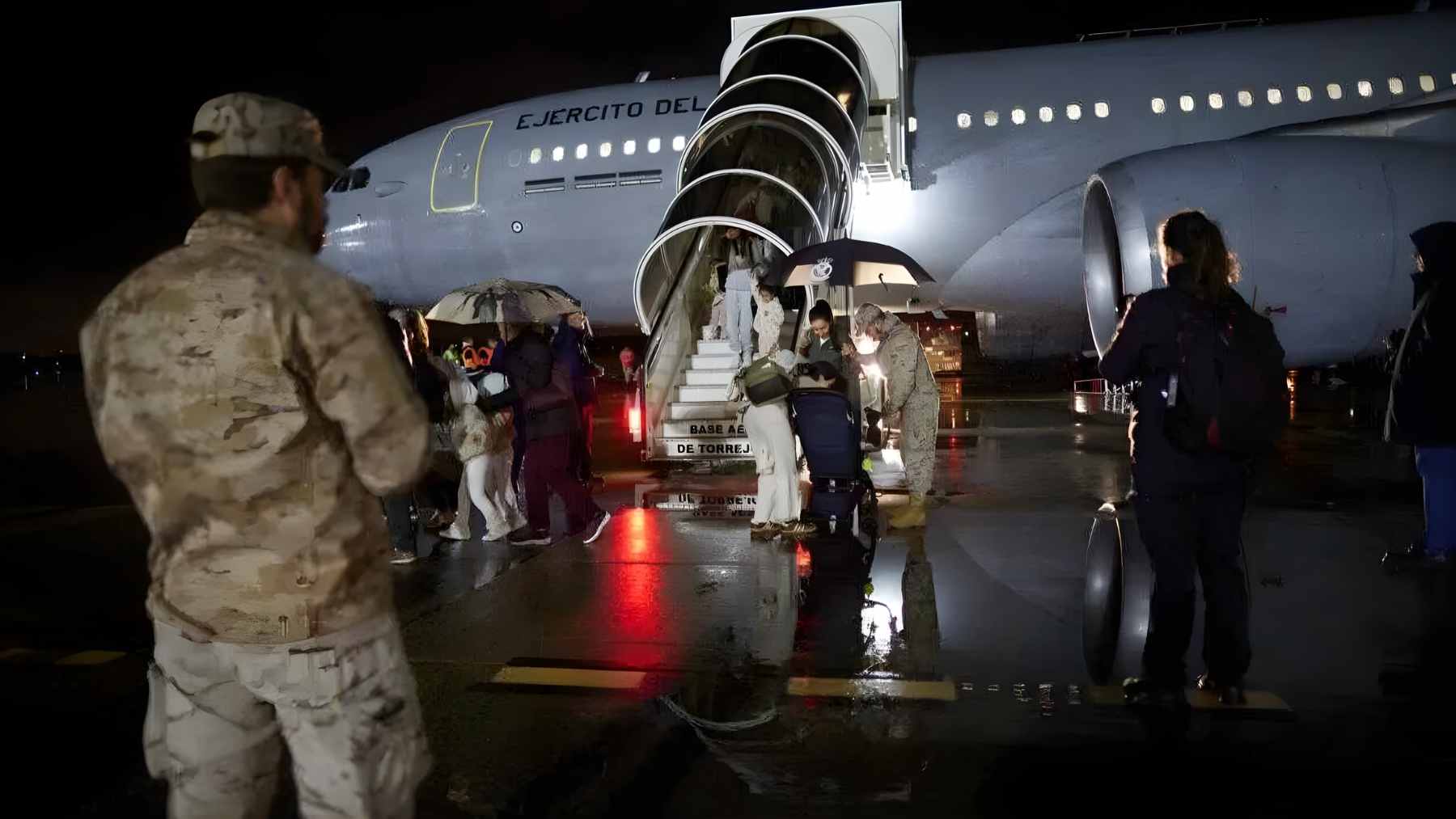
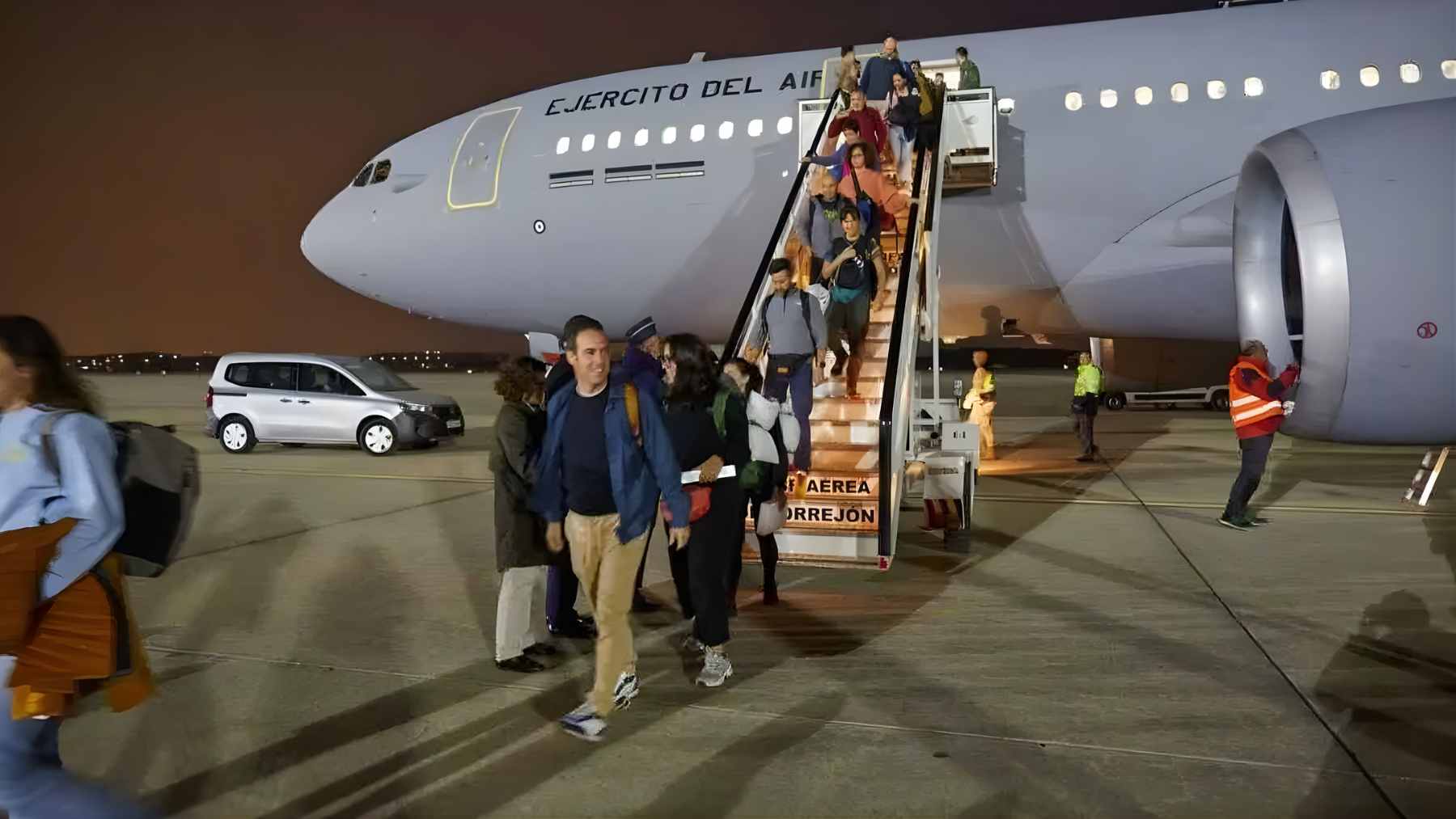
The military side of the operation has become especially visible. Spain’s Air and Space Force used an Airbus A330 for the latest flight into Torrejón Air Base near Madrid, and the Defense Ministry said this was the third such A330 evacuation mission.
Defense put the number of people evacuated directly by that ministry at more than 600.
RTVE reported that earlier operations had rescued 175 Spaniards in the first mission and 171 in the second, showing how the air bridge has expanded as the crisis deepened.
For families waiting at arrivals, those numbers are not abstract. They are the difference between watching the news and getting someone home.
Spain’s diplomatic crisis response stays active around the clock
Madrid is also leaning hard on its diplomatic machine. The Foreign Ministry’s crisis room has remained active around the clock and had handled more than 6,000 calls since February 28, according to the government.
Spain also reinforced diplomatic staff in several embassies and temporarily closed and fully evacuated its embassy in Tehran.
In practical terms, that means the evacuation effort is no longer just about planes and buses. It is about maintaining a functioning network while the ground keeps shifting.
What Spain’s operation says about crisis preparedness
At the end of the day, Spain’s operation offers a clear lesson for other governments with citizens in volatile regions. Speed matters. Coordination matters more.
And when a crisis spreads across borders, the countries that already have military lift, embassy staffing, and a live crisis room are the ones most likely to stay ahead of the chaos, at least for the most part.
The official statement was published on La Moncloa.