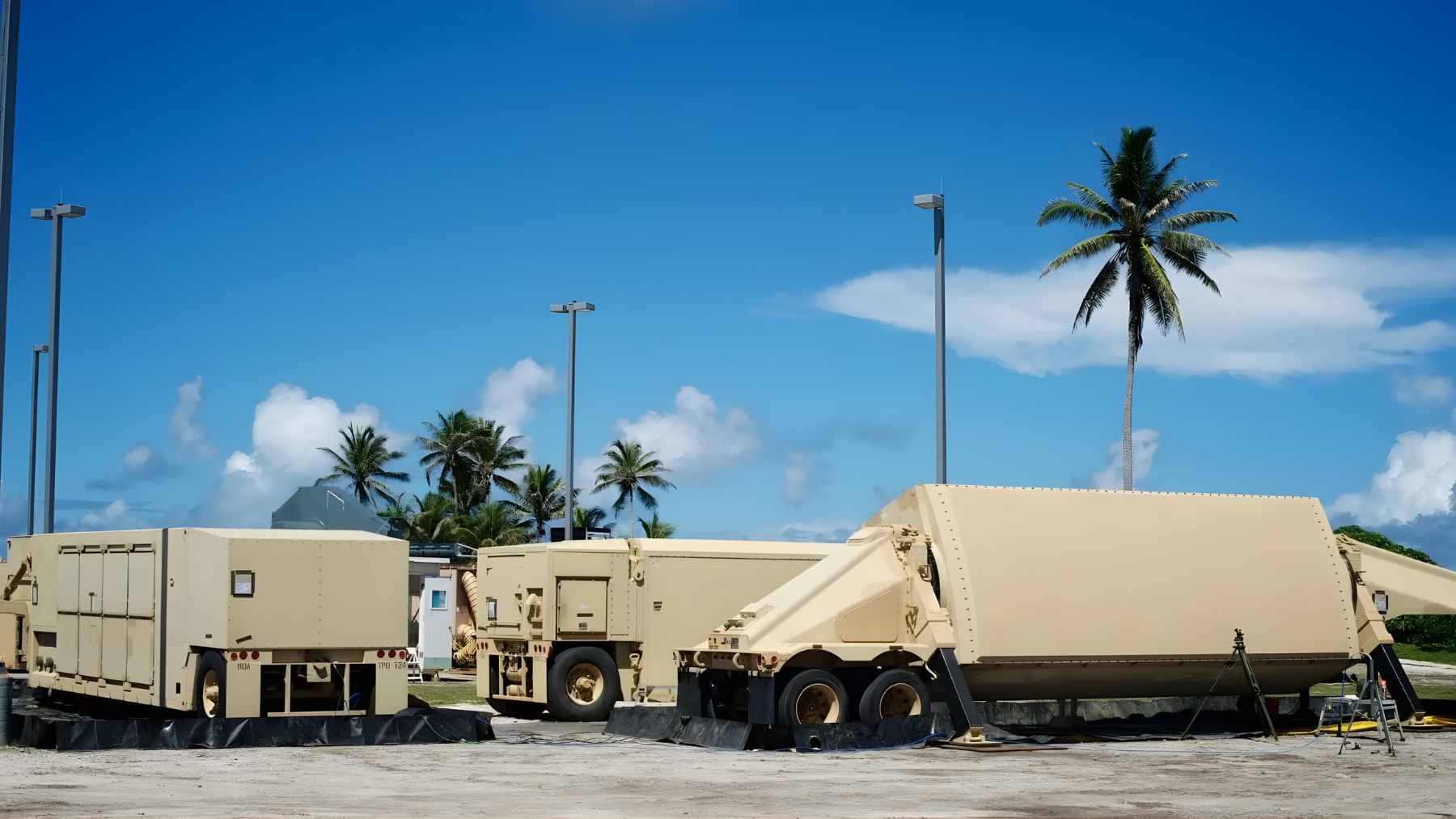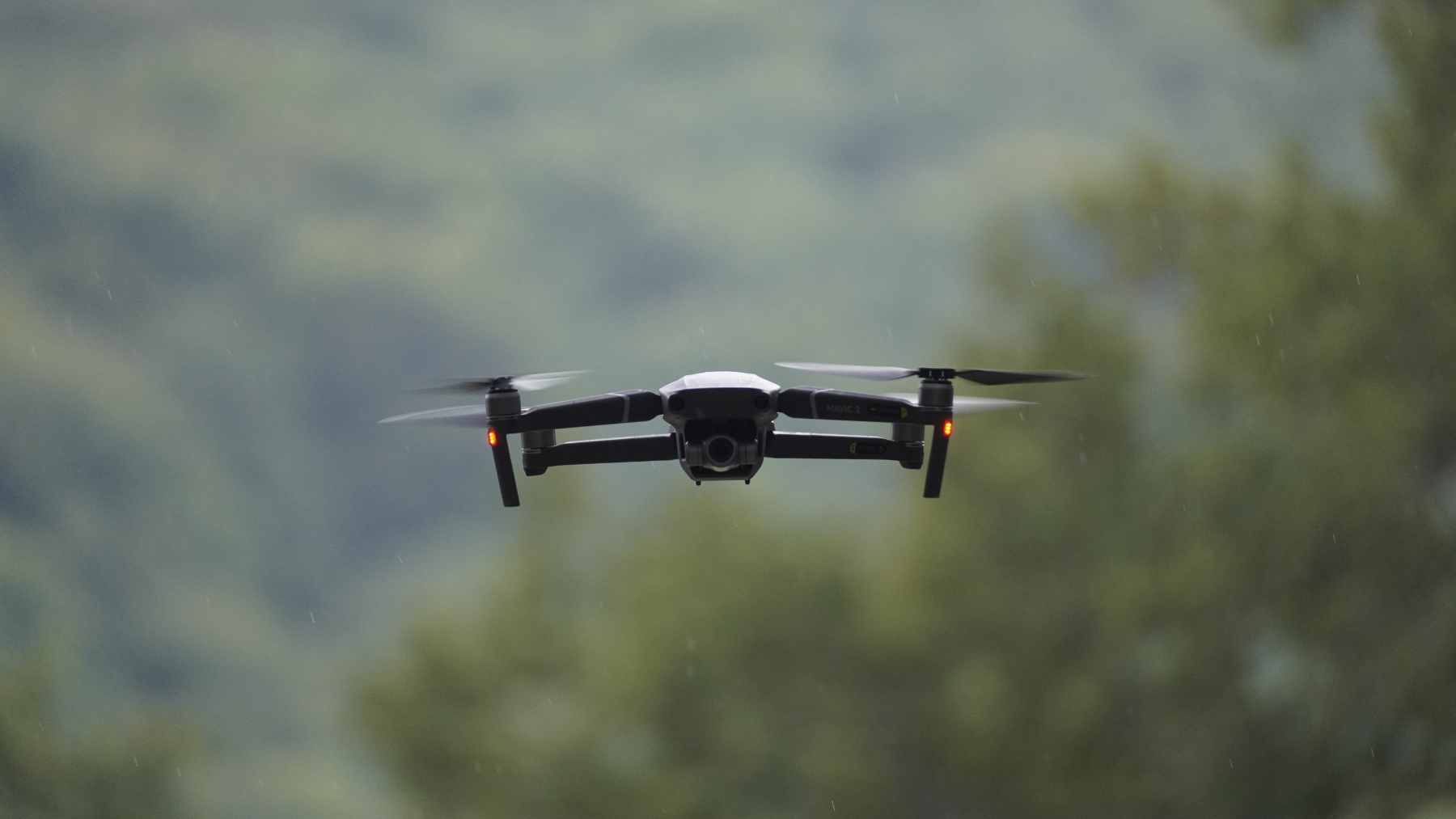
Thales has unveiled SkyDefender, a new multi-layer air and missile defense system built around radars, geostationary satellite sensing, interceptors, and AI-based command tools. Announced on March 11, 2026, the package is designed to cover threats from short-range drones to long-range missile attacks.
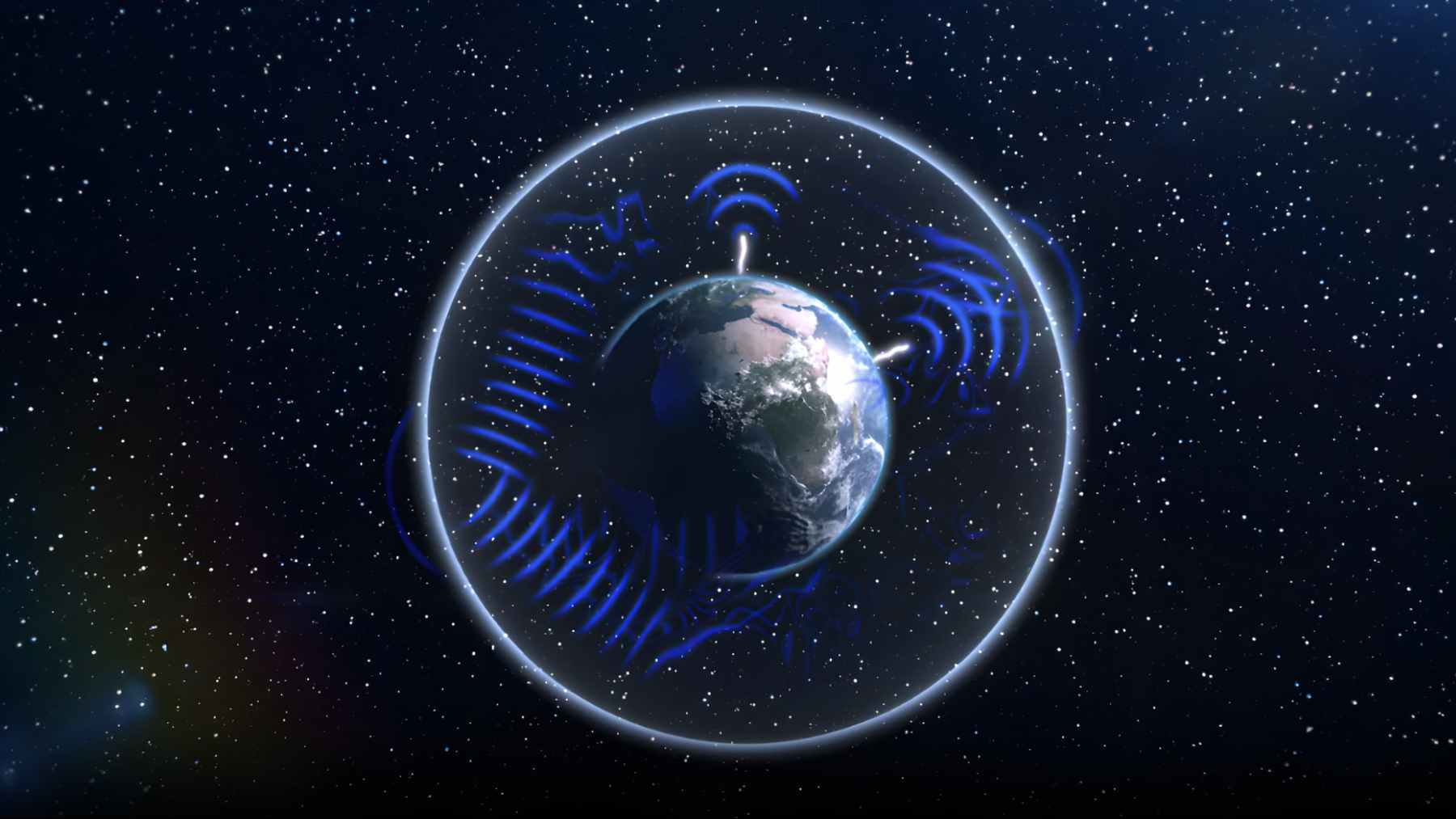
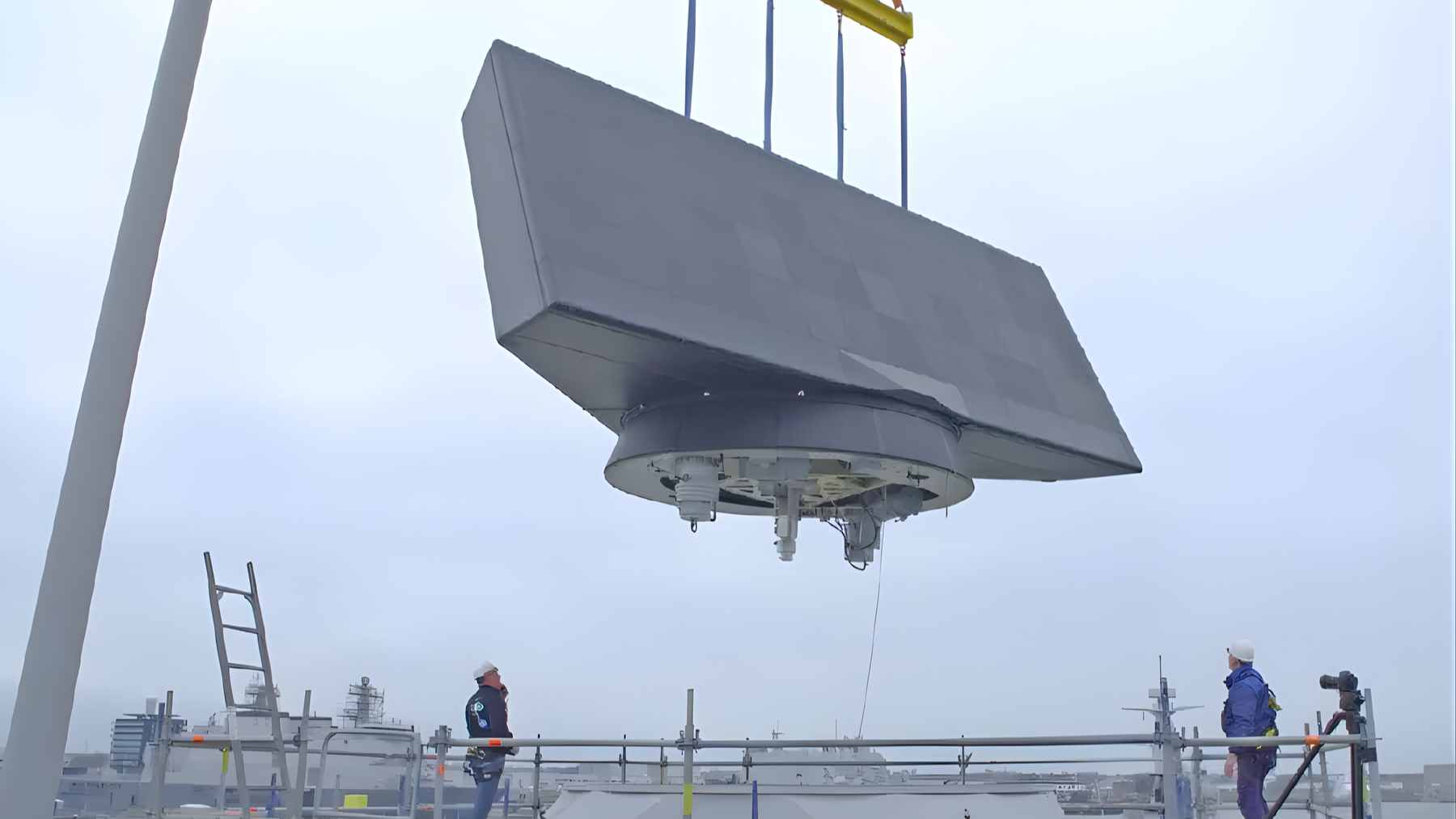
The company says its SMART-L MM and UHF radars can detect potential threats from up to 5,000 kilometers away (about 3,100 miles).
What makes this launch stand out? Thales is not pitching SkyDefender as a future-only concept. It says the system is “combat-proven,” “easy-to-integrate,” and “available today.” The company also describes the architecture as open and modular, meaning it can connect to existing air defense networks and be expanded as threats evolve.
In practical terms, that gives customers a way to add layers without tearing out what they already have.
Why the timing matters
The sky is getting more complicated. Drones, cruise missiles, ballistic missiles, and other fast-moving threats are forcing militaries to think in layers instead of single answers.
Thales says systems in this family are meant to protect forces, populations, and vital assets, the kind of targets whose disruption can spill into ordinary life very quickly.
That is why SkyDefender feels like a business move as much as a military launch.
This is not one giant metal umbrella. It works more like a net with several rows. For short-range threats, Thales says ForceShield creates a “protection bubble” against very short and short-range dangers such as drones.
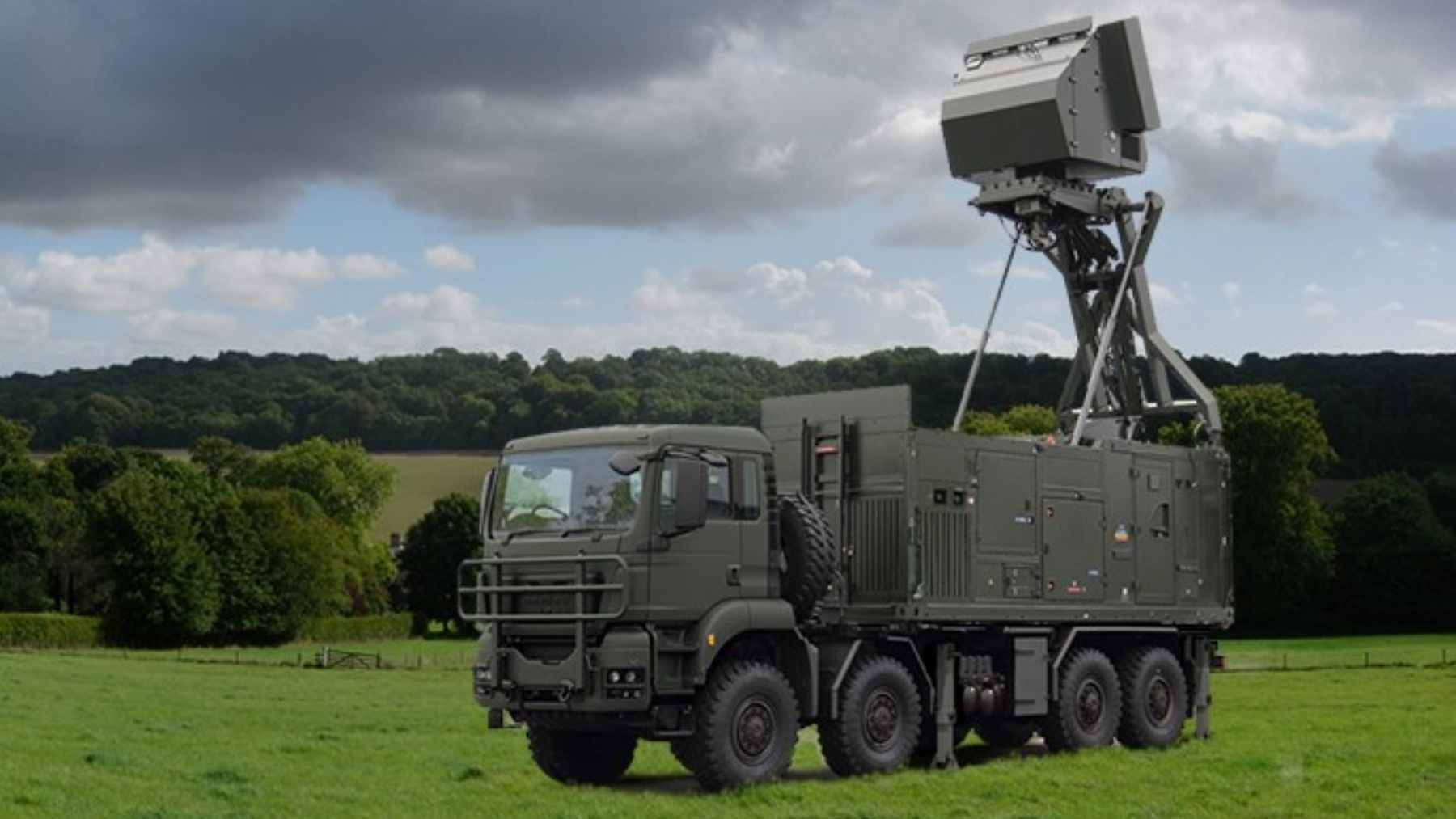
In the medium layer, SkyDefender includes SAMP/T NG, which Thales says has an engagement range of up to 150 kilometers (93 miles), paired with the Ground Fire radar, listed at about 350 kilometers (218 miles) with 360-degree coverage.
For longer-range warning, the company adds geostationary satellites equipped with infrared sensors, alongside long-range radars meant to spot missile launches far from the target area.
In the end, that is SkyDefender’s real objective. Not one miracle shield, but a now ready stack of sensors and interceptors that can grow over time. A simple pitch, and a very marketable one.
The press release was published on Thales Group.