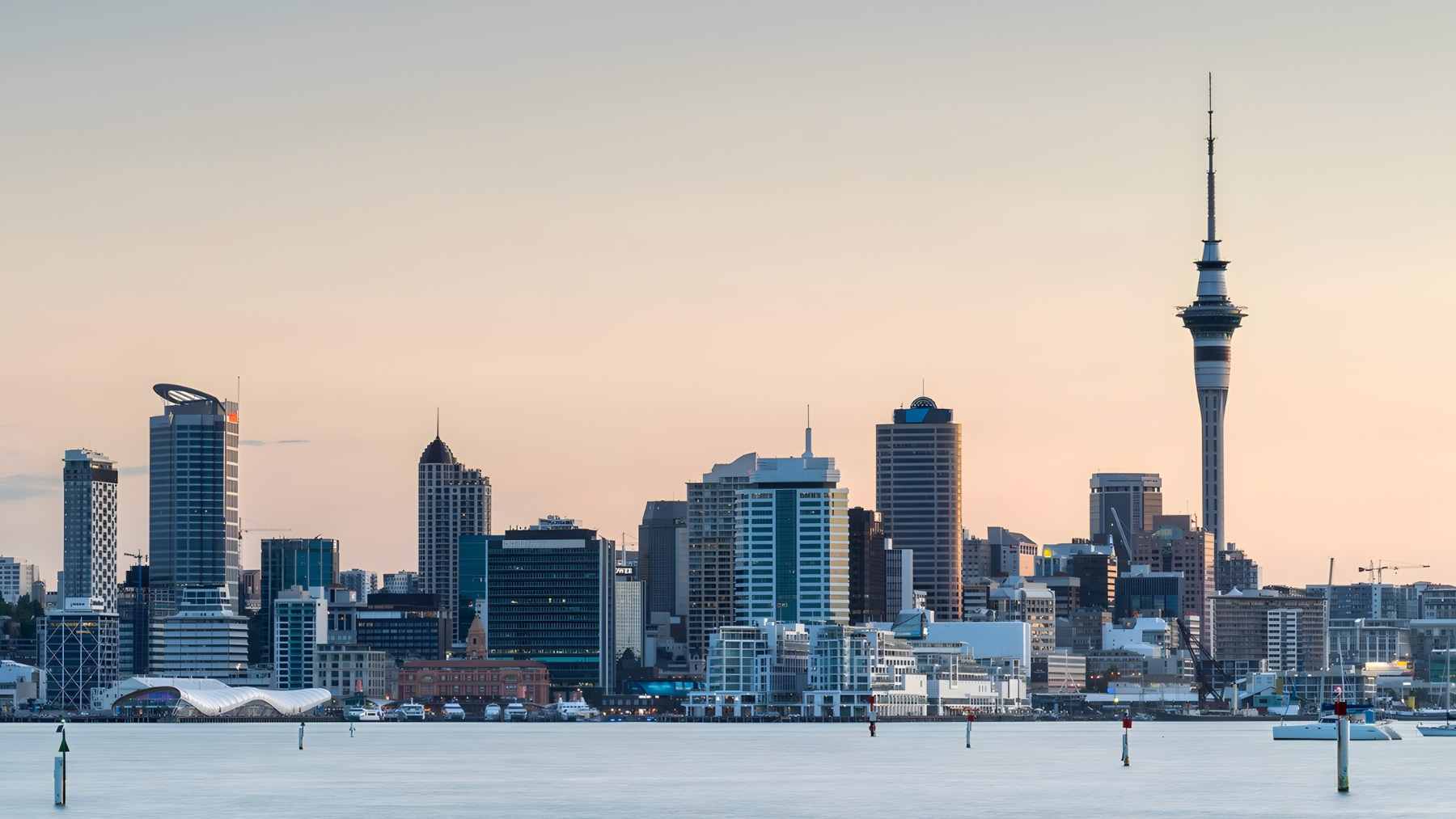
What would you pay to escape a daily traffic jam and still keep hospitals and schools funded. In Auckland, the number now on the table is 9 dollars a trip across the harbor.
The New Zealand Infrastructure Commission has suggested that toll on both the existing Auckland Harbour Bridge and a future second crossing, saying it is the “maximum sustainable” charge that could raise between 7 and 9 billion dollars in new revenue.
That money would help pay for a project that some estimates put at more than 20 billion dollars.
The commission’s analysis sits inside its new National Infrastructure Plan, which tries to answer a tough question. How do you build a huge new crossing without raiding the budget for social infrastructure like hospitals and schools.
Their modeling suggests that a 9 dollar toll on both crossings could generate 7 to 9 billion dollars over time, while higher tolls would push too many drivers away and actually reduce total revenue.
Why tolls may not cover the full cost of a second crossing
Even then, tolls would only cover a slice of the bill. Commission chief executive Geoff Cooper has stressed that for many major roads, tolls “do not cover a significant proportion” of the upfront cost and long term maintenance.
The 9 dollar figure is presented as a ceiling for what users might realistically pay, not a silver bullet that magically funds the entire second crossing.
The bridge’s toll history and what 9 dollars means today
There is also a historical twist. When the Auckland Harbour Bridge first opened in 1959, drivers paid 2 shillings and 6 pence, which the commission notes is roughly equivalent to 9 dollars in today’s money. Tolls were removed in 1984, so a whole generation has grown used to crossing the water for free.
Bringing back a fee at that level would feel like a shock to many households already juggling rent, groceries and the power bill.
Commuter costs and equity concerns for lower income drivers
For everyday commuters, the math is simple and a bit sobering. Nine dollars in the morning and nine dollars in the evening adds up to almost 20 dollars a day just to get to and from work.
Urban planning expert Timothy Welch has estimated that at current usage levels it could take billions of trips across the bridge to pay off a second crossing, and warns that such costs fall heavily on lower income drivers who may have no realistic alternative to the car.
Climate and transport impacts of shifting trips away from cars
At the same time, a toll this steep would almost certainly change how people travel. The commission’s technical report notes that by 2051 around 224,000 vehicles a day could be using the new and existing crossings together, and that a 9 dollar toll would push a sizeable share of those trips toward other routes or other modes such as public transport.
In climate terms, fewer car journeys could mean lower emissions and less tailpipe pollution over the Waitematā, but only if there are fast and affordable buses, trains, cycling lanes and walking links ready to pick up that demand.
Options for cleaner transport including buses, cycling, and walking links
Some experts argue that this is the opportunity to double down on cleaner transport instead of concrete alone.
Suggestions include dedicating more bridge space to high frequency buses and finally delivering safe walking and cycling connections, which would cut congestion while giving people options that do not involve sitting in traffic with the engine running.
In practical terms, that might do more for air quality in central Auckland than simply adding another set of car lanes.
Political reaction from Nicola Willis and Chris Bishop
Politically, the 9 dollar number is already proving sensitive. Finance Minister Nicola Willis has called it a “completely hypothetical scenario” in the commission’s plan and says the government has not yet considered tolling both bridges.
Transport Minister Chris Bishop has confirmed that any new crossing will be tolled, but describes the decision on whether to charge the existing bridge as a very big one for the country. The message from ministers is that no final call has been made.
What’s next for Auckland’s harbour crossing and sustainable funding
Underneath the dollar figures lies a broader debate about what is fair and what is sustainable. User pays funding lines up with the idea that drivers should shoulder the cost of expensive roads they rely on.
Yet climate policy nudges in the opposite direction, asking cities to move away from car dependence and toward cleaner, shared transport, so that everyone breathes easier. Striking a balance between those goals will shape the skyline and the emissions profile of Waitematā Harbour for decades.
For now, Aucklanders are left with familiar questions as they edge across the bridge in morning traffic. How much is a faster trip worth, and who should pay for the environmental costs that come with another mega road project.
The official statement was published on Te Waihanga.