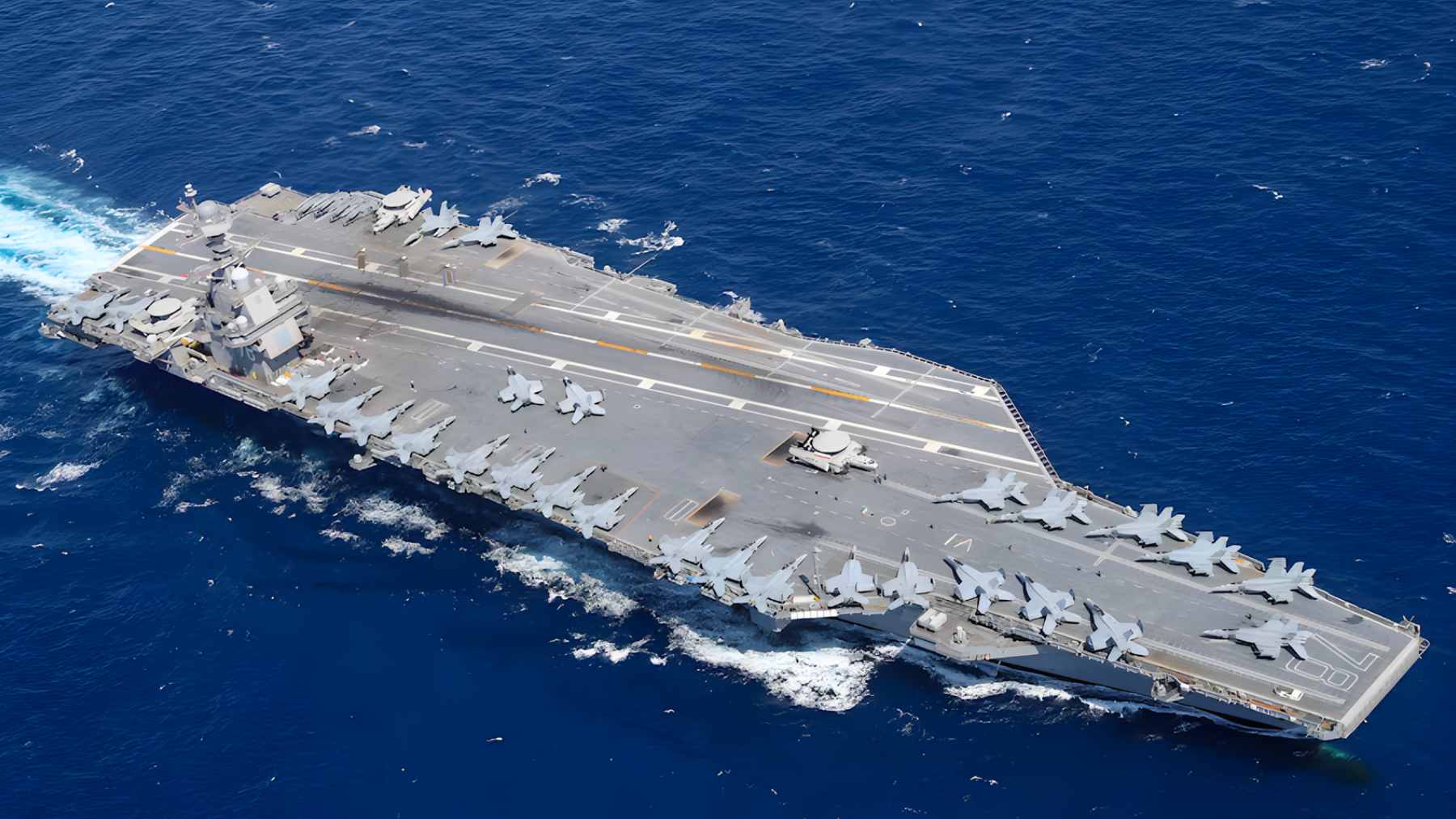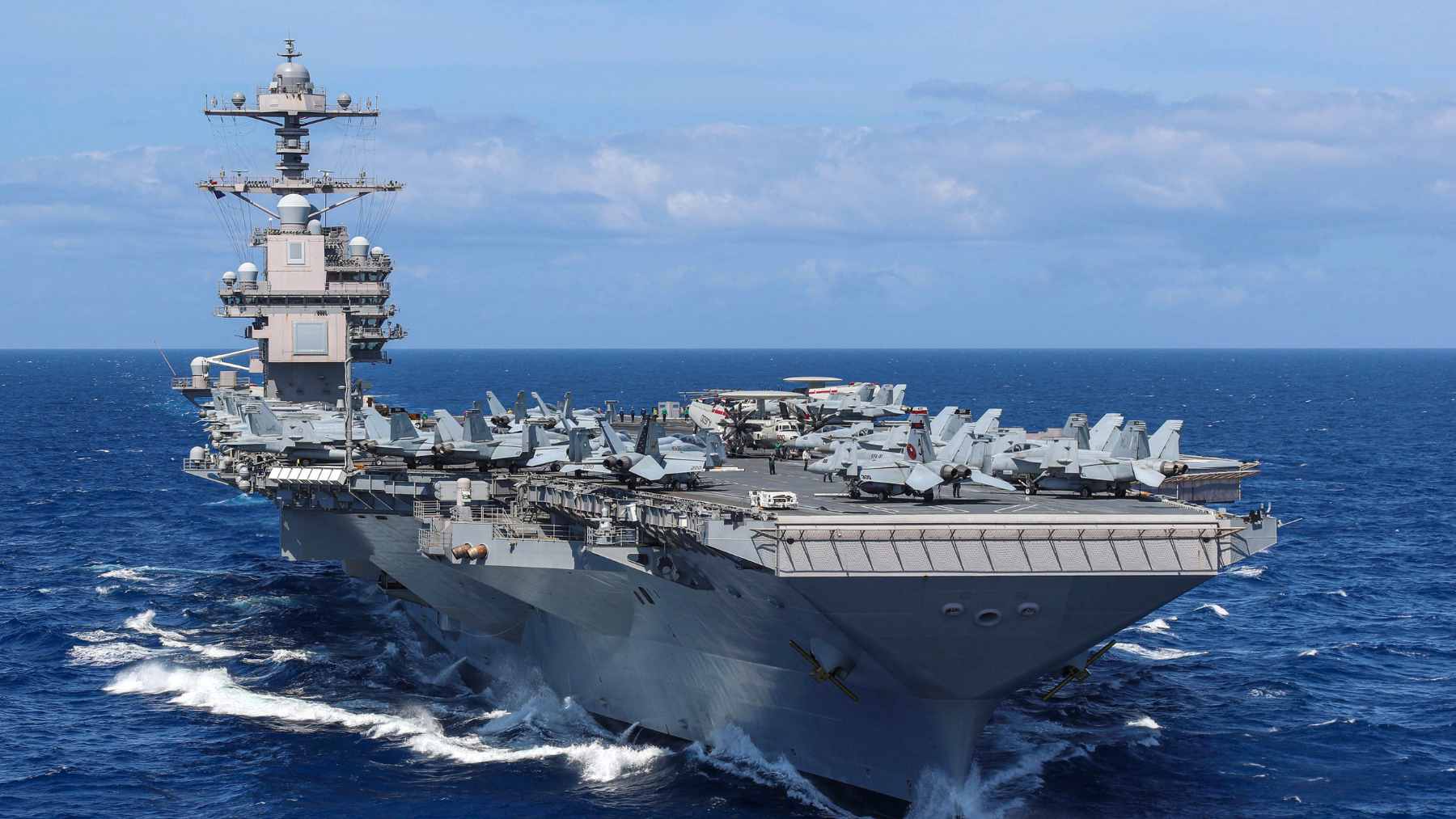
Keeping the USS Gerald R. Ford at sea longer may give Washington more military options in the Middle East. But it also highlights something less glamorous and much more tangible for sailors living aboard a floating city every day. Sanitation, maintenance, and crew strain are becoming part of the story too.
The Navy’s own top officer had already warned that extending the carrier’s mission would come with real costs for both people and hardware.
That warning now looks especially important. Adm. Daryl Caudle said in January that he would give “push back” against extending the Ford’s deployment, even while calling the ship a valuable military option.
His concern was straightforward. Sailors plan their lives around a roughly seven month deployment, and when that timeline slips, families and crews absorb the impact first.
In practical terms, that means more missed milestones at home and more wear on a ship that was supposed to head into a scheduled repair period in Virginia.
Broader Navy fleet strain adds pressure to carrier readiness
There is also a broader fleet problem here. USNI News reported that East Coast carrier strike groups have averaged almost nine month deployments since December 2021, and Ford could break the post Vietnam era record for a carrier deployment if it stays out past mid April.
The Navy now has 10 active carriers, but several are tied up in maintenance, one is forward deployed in Japan, and others are either preparing to sail or just coming back.
So when one ship stays out longer than planned, the scheduling ripple can spread across the whole force. And that is where readiness starts to get expensive.
Onboard waste systems and living conditions become part of the story
Then there is the onboard environment itself. Not the climate debate people usually think of, but the daily reality of waste systems, water use, and basic living conditions for more than 4,000 people.
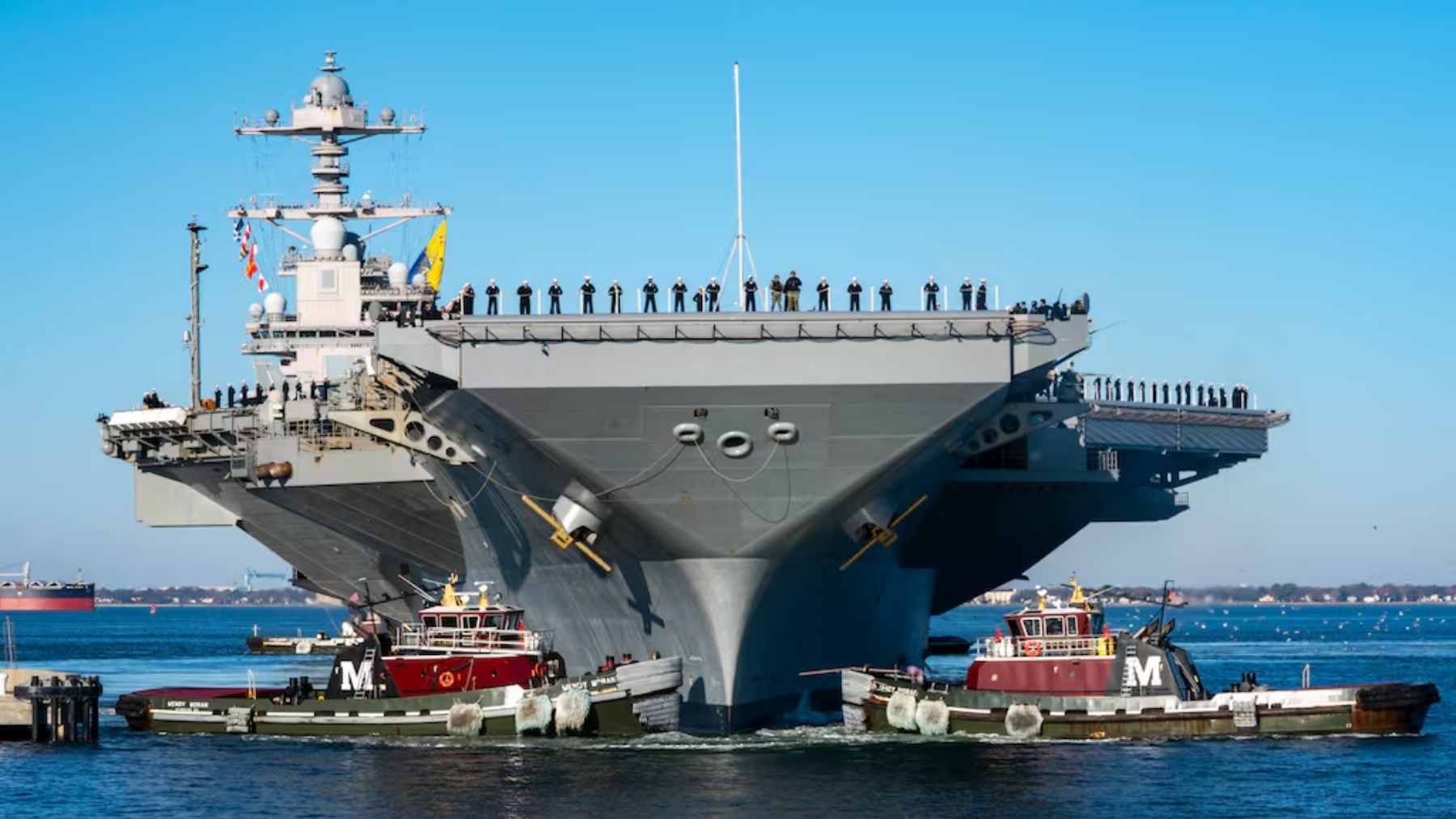
A 2020 GAO report said the Navy had to regularly acid flush the sewage systems on CVN 77 and CVN 78 because of unexpected clogging, with each flush costing about $400,000. That is not just a plumbing headache.
It is a long term sustainment issue attached to one of the Navy’s most advanced and expensive warships. Anyone who has dealt with one broken toilet at home can imagine what repeated failures mean on a packed carrier at sea.
Military power also depends on maintenance and human endurance
At the end of the day, military power is not only about jets, missiles, and deterrence. It is also about maintenance windows, waste systems, and the human cost of keeping a giant ship moving longer than planned.
The official statement was published on the U.S. Navy website.