When a car disappears from the driveway, the damage is not just financial. It can upend the ride to base, the grocery run, and the rest of a family’s week.
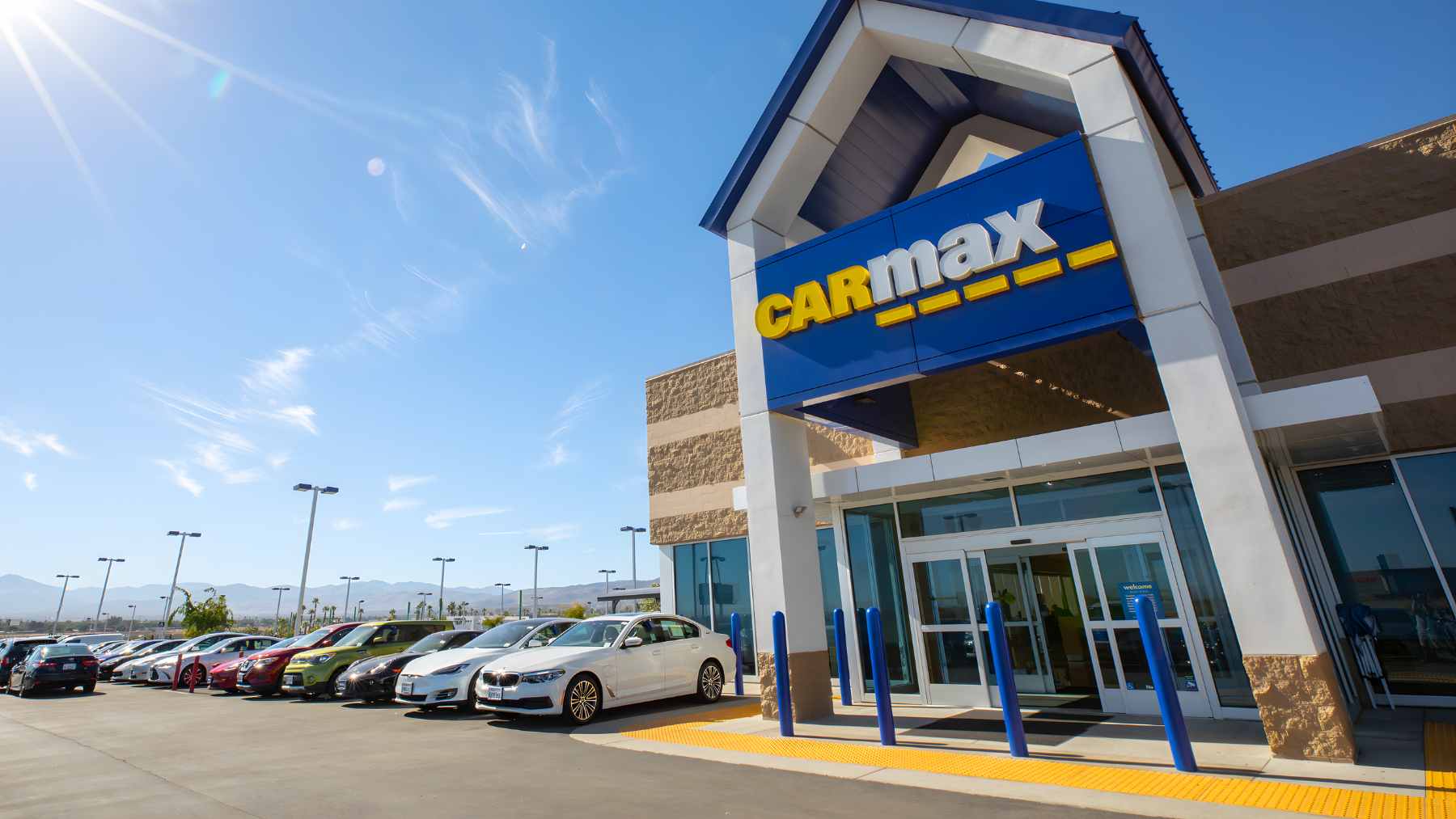
That is why the Justice Department’s settlement with CarMax deserves attention. Federal officials say the used-car retailer unlawfully repossessed vehicles from at least 28 servicemembers between March 1, 2018, and Oct. 24, 2023.
Under the deal announced on Feb. 23, CarMax will pay at least $420,000 to harmed servicemembers and $79,380 in civil penalties, with each qualifying servicemember set to receive at least $15,000 plus any lost equity and related interest.
A law built for moments like this
Why is this bigger than the headline number? Because the case goes straight to a core rule in the Servicemembers Civil Relief Act. As the Justice Department put it, “Federal law prohibits businesses from repossessing service members’ vehicles without a court order.”
That protection also reaches reservists once they receive orders to report for military service. Prosecutors say CarMax sometimes moved ahead anyway, including in some cases after borrowers had already said they were in the military.
The real story is the compliance reset
In practical terms, the settlement is not just a check. It is a rewrite of how repossessions are supposed to be handled. CarMax must revise its policies, run Defense Manpower Data Center checks shortly before a repossession referral, shortly after taking possession, and again before any sale or disposal.
If a borrower is protected under the law, the company cannot repossess or sell the vehicle without a court order or valid waiver. The agreement also requires CarMax to turn over a list of repossessions from Oct. 25, 2023, through the settlement’s effective date so the government can look for additional violations. That is the part worth watching.
There is more. CarMax must ask credit bureaus to delete tradelines tied to identified accounts, stop pursuing remaining balances through third parties, and refund amounts already paid toward post-repossession deficiencies.
The company will also face monthly accountings tied to compensation, written reports every six months on SCRA or military-related complaints, and a four-year compliance period. CarMax neither admitted nor denied the allegations in the settlement agreement.
The broader message is hard to miss. Since 2011, the Justice Department says it has obtained more than $484 million in monetary relief for over 149,000 servicemembers through SCRA enforcement.
In practical terms, this case is a reminder that consumer protection law is not just paperwork. For military families, it can decide whether they keep the keys and keep moving.
The official press release was published on the U.S. Department of Justice.