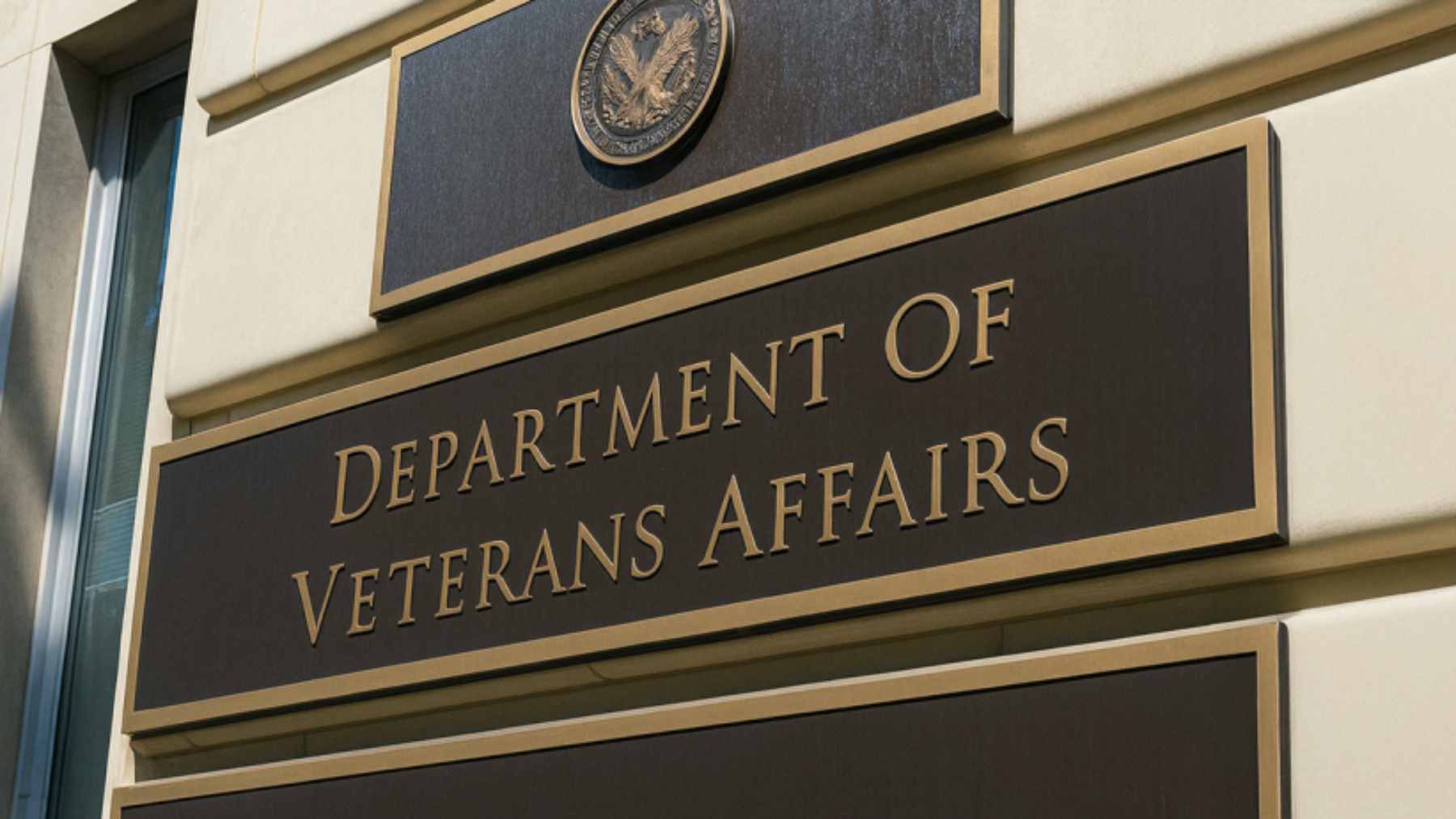
What happens when emergency money meant to keep Main Street alive ends up in the wrong hands? The U.S. Small Business Administration said on February 6 that it had suspended 111,620 California borrowers tied to 118,489 Paycheck Protection Program (PPP) and Economic Injury Disaster Loan (EIDL) loans worth more than $8.6 billion after identifying suspected fraud in pandemic-era aid.
For honest owners still trying to cover payroll, rent, and rising costs, that is not just an old COVID story. It is a reminder that the cleanup can drag on for years.
SBA Administrator Kelly Loeffler said the suspended borrowers are now blocked from new small business and disaster loans and from other agency programs, including federal contracting through 8(a).
The agency also said it is working with federal law enforcement and pointed to a similar Minnesota action that suspended 6,900 borrowers tied to about $400 million in potentially fraudulent loans. For affected borrowers, the impact is immediate.
A tech problem as much as a legal one
This is also a data story. And that’s where the tech piece comes in. The SBA said it recently partnered with Palantir to widen its nationwide review of PPP and EIDL abuse.
That move sits on top of a much bigger problem already flagged by watchdogs. The SBA Office of Inspector General estimated in 2023 that more than $200 billion in pandemic loans may have gone to potentially fraudulent actors, or at least 17 percent of the roughly $1.2 trillion the agency disbursed.
A 2025 update said SBA had been working through 39 open pandemic-related recommendations carried over from the watchdog’s earlier fraud report. In practical terms, the system is still catching up.
There is another wrinkle. The Government Accountability Office said in March 2025 that SBA submitted almost 3 million COVID-EIDL referrals to its inspector general, but about 2 million were not actionable because they lacked enough data or had quality problems such as duplicates or incorrect information.
That matters. When records are messy, recovering money gets harder, and legitimate businesses can end up stuck in the same fog as the fraudsters.
California pushes back
California Attorney General Rob Bonta pushed back on February 5 and said it was “categorically false” to suggest the state is facilitating fraud. His office said California DOJ has recovered nearly $2.7 billion for taxpayers over the last 10 years through fraud-related criminal and civil actions.
So yes, the politics are loud. But at the end of the day, the bigger issue is simpler. When aid moves fast in a crisis, weak controls can turn relief into a magnet for abuse, and that can make the next emergency even harder to manage for the small businesses that actually need help.
The official statement was published on the U.S. Small Business Administration website.