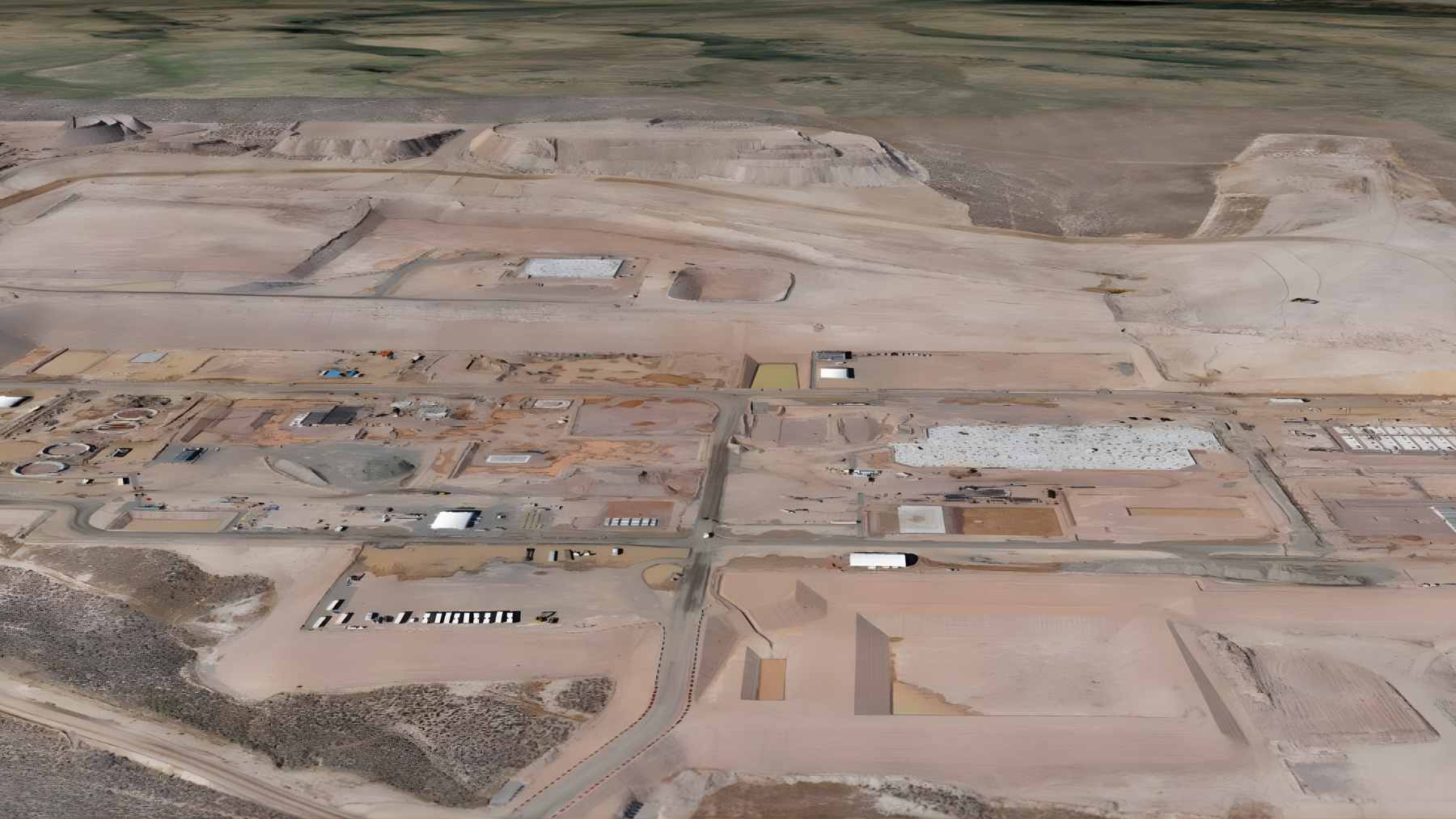
The United States has lost another primary aluminum smelter, after Century Aluminum decided not to restart its Hawesville plant in Hawesville and sold the site to data infrastructure developer TeraWulf. The shutdown, driven by stubbornly high electricity costs, leaves just five plants making primary metal in the United States.
This closure comes even after aluminum import tariffs were lifted to 50 percent under President Donald Trump, a move meant to revive domestic smelting.
In practice, competition for power from artificial intelligence data centers has proved stronger than tariff protection, and Hawesville is now set to become part of the digital economy instead of the industrial one.
How Hawesville went from smelter to server hub
Century idled the Hawesville smelter in 2022 when energy prices spiked after Russia invaded Ukraine and never found an electricity deal that made restarting the 252,000 ton per year plant viable.
The site had been a key supplier of high purity aluminum for aerospace and defense uses, which means its loss narrows the pool of domestic producers able to meet those demanding standards.
Aluminum smelters draw enormous amounts of power, with a modern plant using more electricity than a city about the size of Boston.
Keeping a facility like that running is a bit like leaving millions of electric kettles boiling at once, which is why operators need long term, low cost power contracts rather than the kind of volatile prices households see on their monthly electric bills.
Big Tech outbids heavy industry for electricity
According to Century’s own announcement, the Hawesville property will be redeveloped by TeraWulf into a digital infrastructure campus focused on high performance computing and AI workloads.
Data centers also need huge amounts of steady electricity, but the companies behind them, including major cloud and AI players, can usually afford to pay more for long term supply than a commodity producer can.
That tension is not limited to Hawesville. Rival producer Alcoa is now exploring the sale of ten closed or curtailed industrial sites to data center developers, picking locations near robust power networks.
In simple terms, energy that once powered molten metal for airplanes, cars, and soda cans is increasingly being redirected to keep servers humming and recommendation algorithms online.
Tariffs, premiums and the cost to buyers
Trump lifted aluminum tariffs to 50 percent with the stated goal of stopping the decades long decline in primary capacity.
So far, the most visible smelter win is Century’s restart of 50,000 tons a year at its Mount Holly plant in South Carolina, which is expected to climb to around 220,000 tons by mid 2026 after an extended power supply agreement with local utility Santee Cooper.
For buyers, the tariffs show up in the Midwest aluminum premium, a surcharge assessed by S&P Global Platts and traded on the CME Group. This premium is around 2,290 dollars per ton over the London benchmark right now, giving an all in price near 5,300 dollars per ton, yet even that rich level could not offset Hawesville’s power costs.
In everyday terms, people are paying more for the metal in cars, construction and drink cans, while the number of domestic smelters keeps shrinking.
New Oklahoma smelter and a long wait
Future hopes now rest on a new greenfield smelter planned for Inola in Oklahoma, a joint venture where Emirates Global Aluminium will hold 60 percent and Century 40 percent. Engineering group Bechtel has been hired to prepare the early technical work for the plant, which is expected to produce about 750,000 tons of primary aluminum per year.
Oklahoma produces roughly three times more energy than it consumes, which should help, but a dedicated power deal for the smelter is still being negotiated and first metal is not expected before around 2030.
Fewer options and higher prices for aluminum security
Until then, spare capacity is thin. Hawesville’s permanent closure removes one of the largest remaining plants and a major source of high purity metal, while an idle 54,000 ton line at Alcoa’s Warrick facility in Indiana is “at this point, unlikely” to restart, according to chief executive William Oplinger.
The New Madrid smelter in New Madrid, which has 263,000 tons of annual capacity, shut again in 2024 and owner Magnitude 7 Metals has not outlined any firm comeback plan.
The United States relied on imports for about 60 percent of its aluminum needs last year, according to figures from the U.S. Geological Survey cited in recent market analysis. That share is unlikely to fall until the Oklahoma smelter moves from blueprint to production, especially while the White House signals that the existing 50 percent tariffs will stay in place.
Officials there say Trump “will never compromise on reinvigorating the domestic manufacturing that is critical to our national and economic security, especially steel and aluminum production” and have dismissed talk of a rollback as “baseless speculation.”
For consumers and manufacturers, that probably means several more years of elevated aluminum prices, even as former smelter sites shift toward hosting AI data centers rather than molten metal. In practical terms, it is another example of how the race to power digital services is reshaping traditional industry, from the factory floor all the way to the supermarket shelf.
The main press release on the Hawesville sale and site redevelopment has been published by Century Aluminum Company.