China says a new gold discovery in Hunan could top 1,100 tons 1.86 miles underground, and that instantly turns a geology story into a metals market story. The timing matters. Gold demand hit record levels in 2025, while China was already the largest gold producer in the world.
So yes, the headline is big, but the harder question comes right after it: how much of that metal will really become profitable supply, and what will it take to get it out of the ground?
Why the number grabs attention
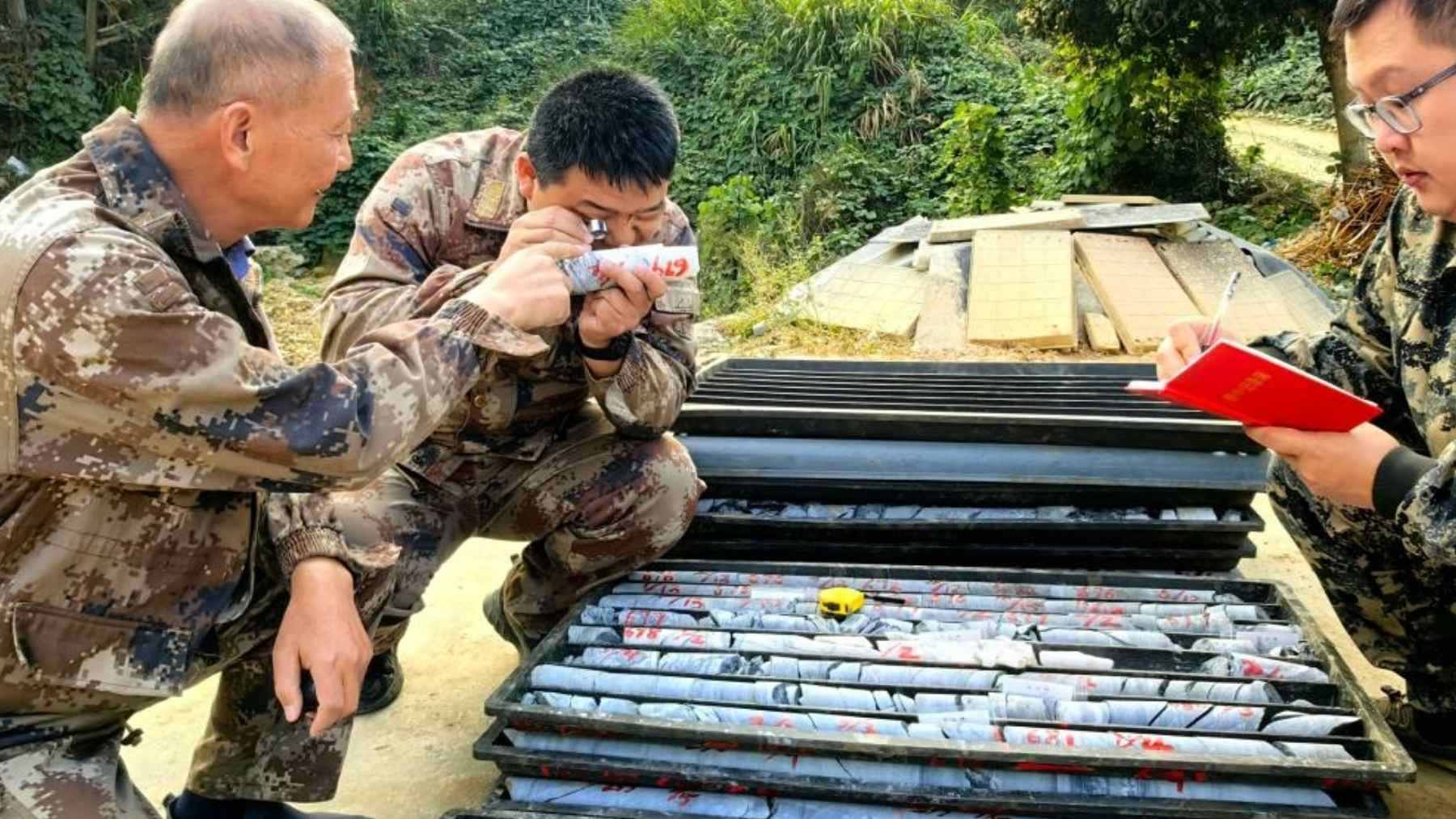
At the Wangu gold field, officials say more than 40 veins have been identified, with 330 tons outlined above 1.24 miles and a deeper estimate of more than 1,100 tons.
Some drilled sections reached 5.36 ounces per ton, and one local expert said “Many drilled rock cores showed visible gold.” That sounds spectacular because it is, but investors know the difference between a flashy drill result and a bankable mine.
In the language of the industry, a resource is not the same thing as a reserve. That distinction can decide whether a discovery changes supply, or just headlines.
Beijing also has strategic reasons to pay attention. The World Gold Council says China’s official gold holdings reached 2,536 tons by the end of 2025, and purchases continued into early 2026.
That means this is not only about jewelry stores or bullion traders. It fits a broader contest over monetary buffers, industrial influence, and the wider race for high-value materials.
For families who think about gold mostly when inflation rises or prices in the jewelry case jump, that bigger backdrop is easy to miss.
The environmental bill rarely arrives first
Then comes the part that gets less attention on day one. The World Gold Council says almost all gold-sector emissions come from the mining process itself, especially electricity and fuel use. And deeper mining usually needs more of both.
In practical terms, that means bigger ventilation, more cooling, more hauling, and a much heavier power bill. We are already seeing how electricity costs drive the market across heavy industry, while countries also search for cleaner or steadier supply through projects that turn seawater into a new source of electricity.
So, could Hunan strengthen China’s position in gold? To a large extent, yes, but the real story starts after the celebration, once drilling, feasibility work, and environmental controls have to prove the headline can survive contact with reality.
The financial upside grabs attention first. The ecological bill usually arrives later.
The official statement was published on Hunan Government Website International.