When a central banker starts talking like an energy analyst, something big has shifted. U.S. Federal Reserve Governor Christopher Waller said he was ready to push for a rate cut after February’s surprise loss of 92,000 jobs, then backed off as the Strait of Hormuz shut and oil prices jumped.
It is a reminder that oil is not just another commodity. It is a climate problem, a national security vulnerability, and a line item on your household budget all at the same time, and the Iran war has tied those threads together.
A rate cut hit an oil wall
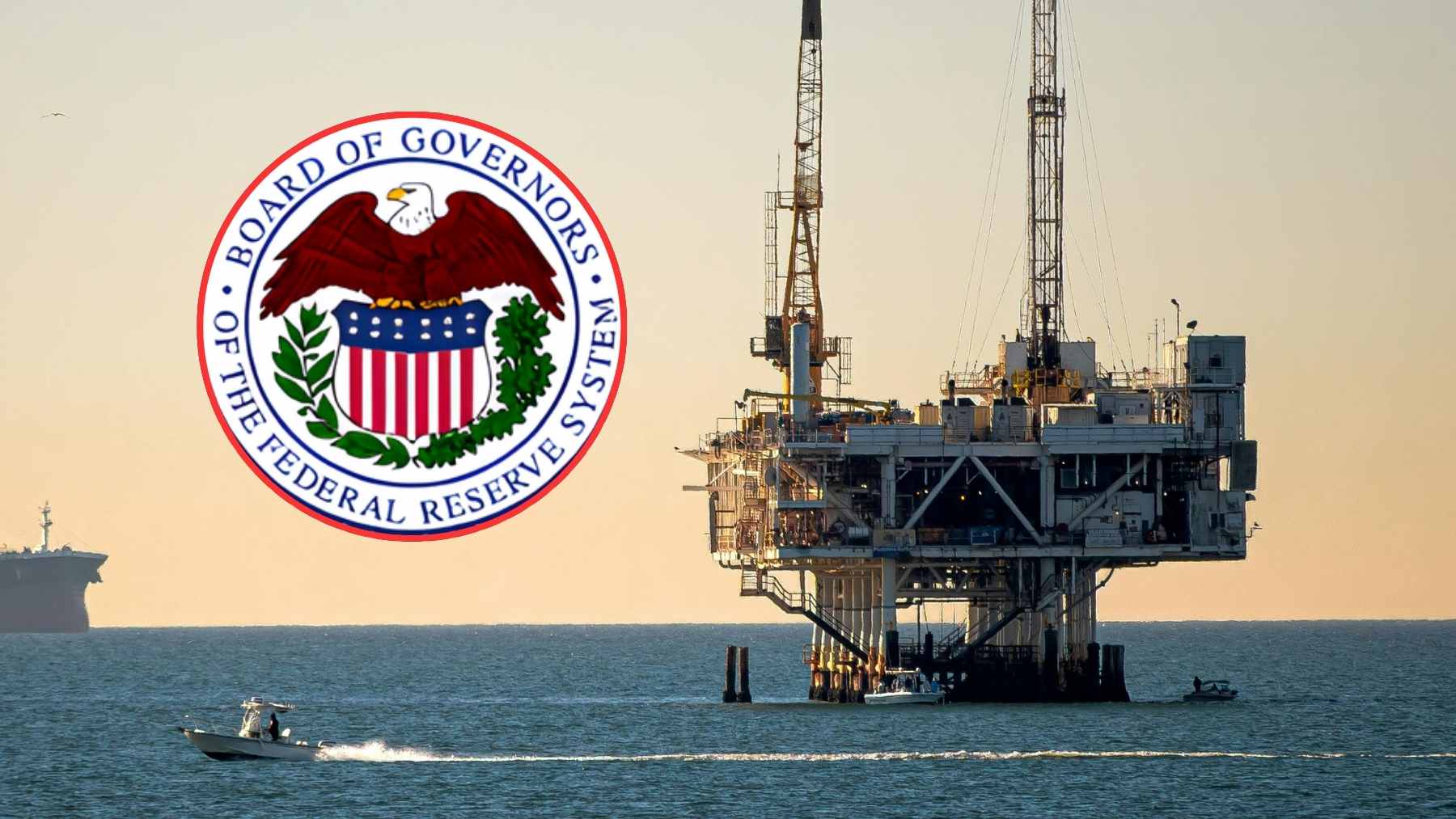
Waller told CNBC he was planning to aim for a cut, then decided “inflation was more of a concern” once the conflict looked longer and energy prices looked stickier. That helps explain why the Fed held rates steady this week even with a softer jobs picture.
The Fed’s statement kept the target range at 3.5% to 3.75%, and the vote was 11 to 1. In practical terms, policymakers are worried that higher energy costs can bleed into transport, manufacturing, and food before it shows up clearly in inflation reports.
Hormuz is a security bottleneck
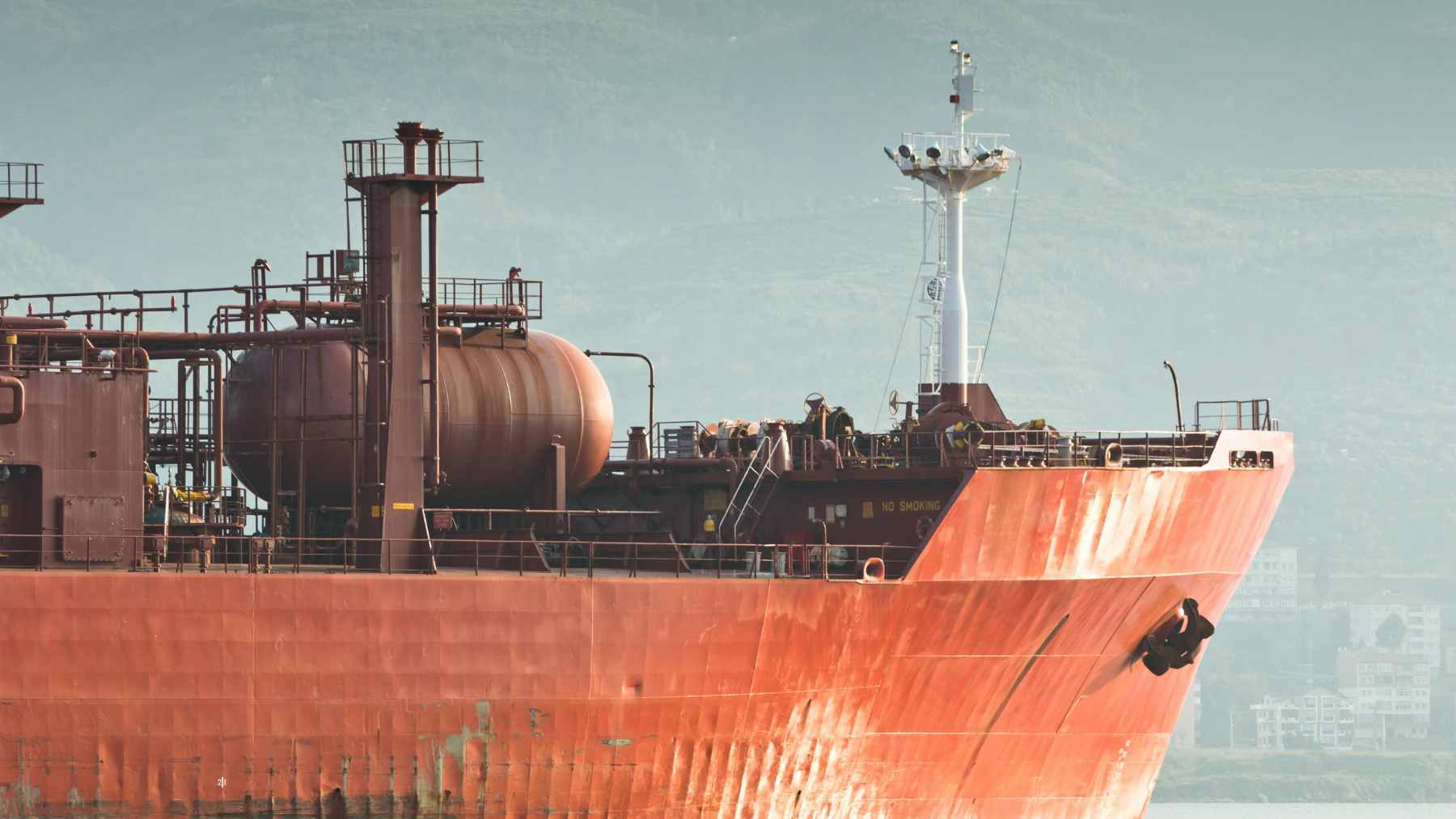
The Strait of Hormuz is a narrow passage with outsized consequences. The U.S. Energy Information Administration says oil flow through the strait averaged about 20 million barrels per day in 2024, roughly 20% of global petroleum liquids consumption, and around one-fifth of global LNG trade also passed through it.
The International Energy Agency estimates there is only about 3.5 to 5.5 million barrels per day of pipeline capacity that could potentially reroute crude to bypass the strait. That gap between what the world needs and what can be rerouted is why a closure can feel like a shockwave, not a detour.
The spillover hits food and industry
Reuters reported that the effective closure has stopped passage of about 20% of the world’s oil and LNG since February 28, and that global benchmark oil has risen more than 50% to above $110 a barrel since the war began.
The less obvious hit is agriculture and ecosystems downstream of farming. Reuters reported that about a third of global fertilizer trade typically passes through Hormuz and that urea prices have risen 30% to 40% since the conflict began, raising the risk of shortages right as farmers plan spring planting.
Meanwhile, policymakers are openly talking about demand cuts, not just supply. The IEA has floated steps like working from home, lowering highway speed limits, and avoiding air travel, alongside a record coordinated release of about 400 million barrels from emergency stockpiles.
Defense logistics are watching the same numbers
Modern militaries still run on fuel and reliable power, and the supply chain is global. Defense Logistics Agency Energy says it provides energy to the military services and other federal agencies at more than 4,000 locations worldwide, which is why price spikes and shipping disruptions matter for readiness.
At the same time, defense planners increasingly treat climate and energy resilience as operational issues. The U.S. Army has said it is working toward installing microgrids across all installations by 2035, a move framed as boosting resilience while also reducing emissions.
Clean tech becomes a hedge
An oil shock is not automatically a clean energy win, especially if inflation keeps interest rates higher for longer. But it does change the conversation, because electrification and efficiency start to look like risk management, not just climate policy.
The IEA says a more electrified, efficient, renewables-rich energy system reduces exposure to fossil fuel price volatility.
The IPCC also notes the global energy system is the largest source of CO2 emissions, and the U.S. EPA points to fossil fuel burning as the largest source of U.S. greenhouse gas emissions.
So what should readers watch next? How long will the disruption last, how quickly will supply chains adjust, and whether today’s emergency choices will lock in more fossil fuel use or accelerate clean energy options that cut both emissions and vulnerability to the next shock.
The official statement was published on Federal Reserve.