Amazon confirmed it cut jobs in its robotics unit this week, with Reuters reporting at least 100 white-collar roles affected. The move looks like another cost-saving step in a long layoff cycle, but it also signals something bigger about where the environmental battle is headed: logistics and computing.
As retailers automate faster and AI workloads scale up, the same machines that promise “efficiency” can also drive new electricity demand, new materials demand, and new emissions risks.
In other words, the climate story is no longer only about smokestacks. It is also about what happens inside the warehouse and the data centers.
A robotics shakeup with climate stakes
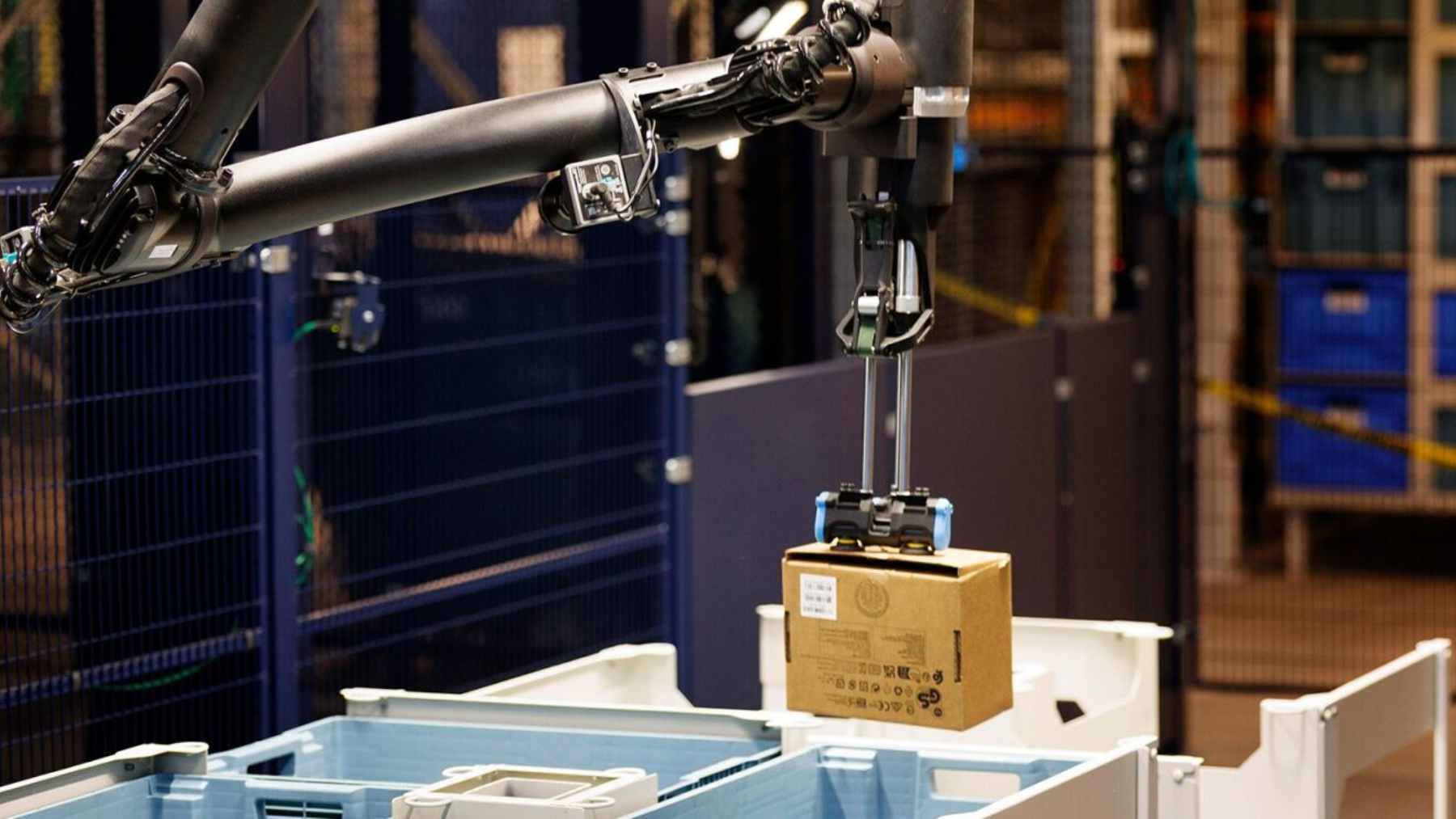
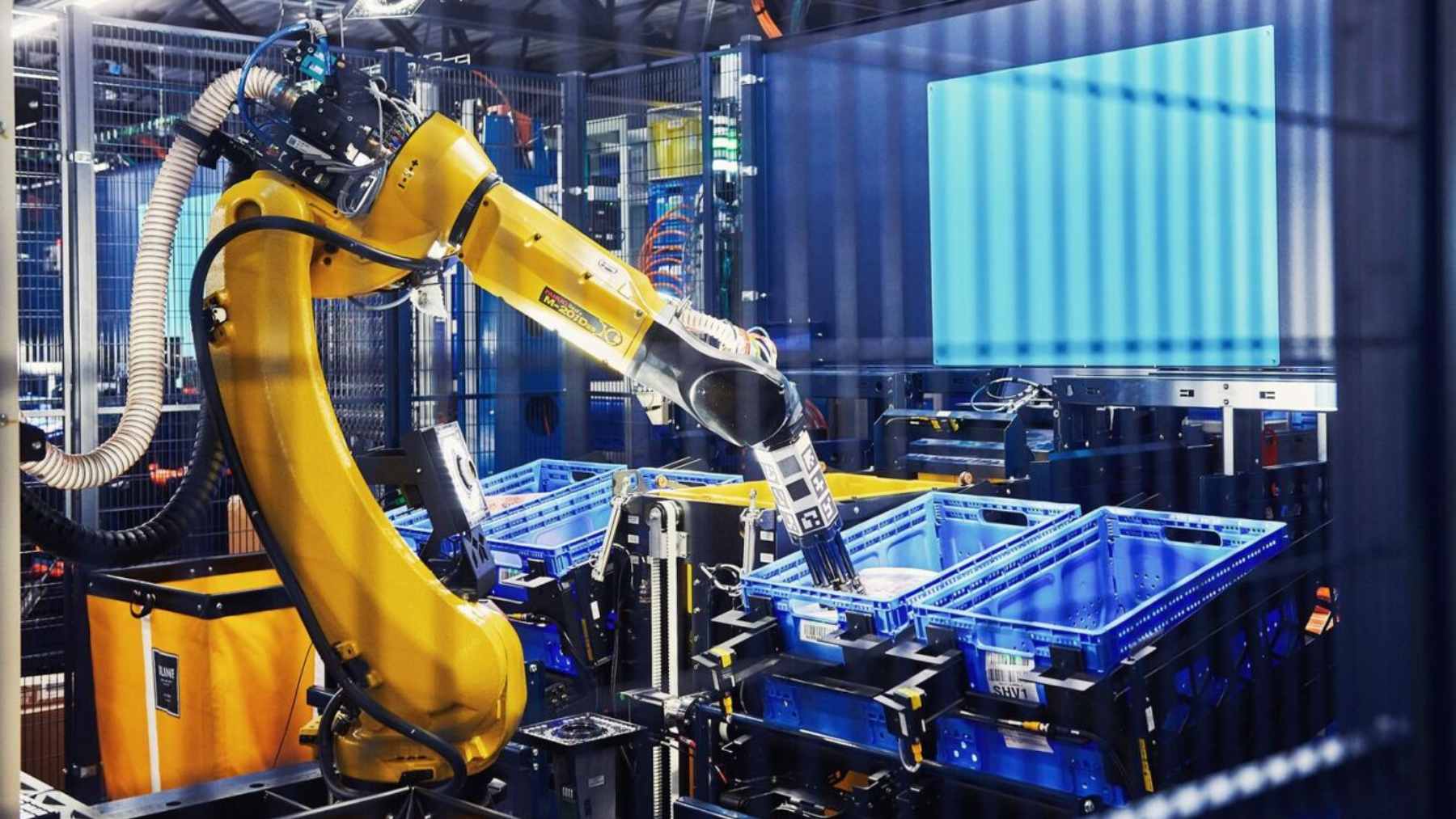
Amazon’s robotics group builds warehouse robots, conveyor systems, and automated picking tools that help move goods at scale. Reuters also reported that Amazon recently halted development of a robotic arm project called “Blue Jay,” a system meant to grab multiple items at once in tight spaces.
What makes this cut more than a workplace story is the energy and emissions profile of modern fulfillment. Amazon’s own sustainability data shows its total carbon footprint rose from 2019 to a 2021 peak, then declined in 2022 and 2023, before rising again in 2024 as the company expanded and electrification work continued.
That up and down curve is a reminder that “efficiency” can be real and still get swamped by growth.
AI efficiency can still raise the electric bill
That push for automation lands at the same moment utilities are warning about AI’s electricity appetite. Reuters recently reported that U.S. power demand forecasts have been revised upward as data centers and AI workloads race ahead, prompting utilities to rethink how quickly new generation can come online.
The International Energy Agency estimates that data centers consumed about 415 terawatt-hours of electricity in 2024, roughly 1.5% of global demand, and that growth is accelerating.
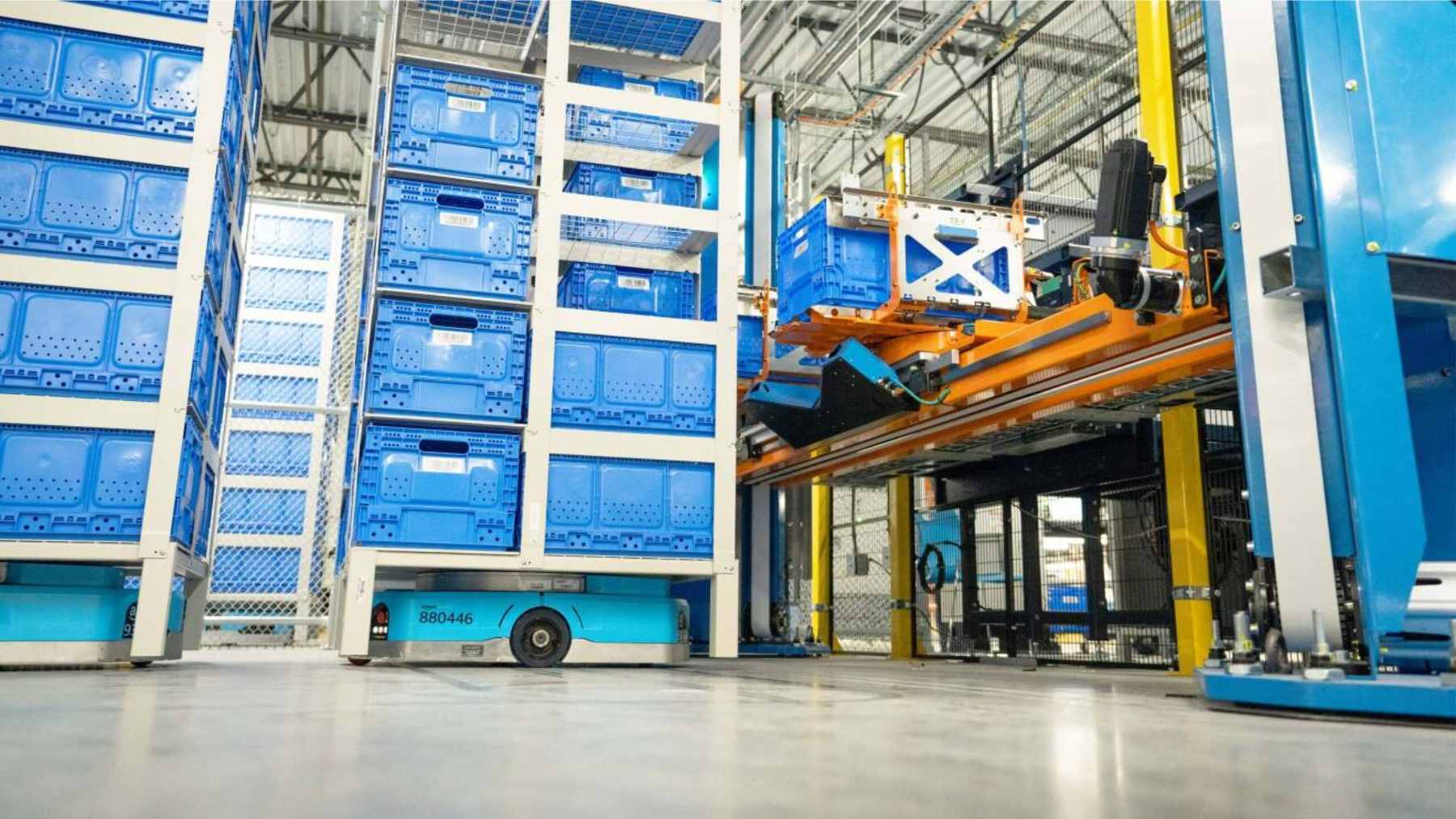
That matters because warehouses and cloud computing often pull on the same grid upgrades, the same transformers, and the same battery backstops. If your neighborhood has seen more outages or rate hikes lately, this is one reason why.
Defense planners are treating energy like a battlefield
The Pentagon has been making a similar point, just in different language. In its “Department of Defense Plan to Reduce Greenhouse Gas Emissions,” the military argues that cutting fuel use and improving energy resilience is tied to readiness, especially as climate stress raises risks to bases and supply chains.
It also highlights investments in efficiency, clean power, and microgrids that can keep critical facilities running when the wider grid fails.
That logic mirrors what Amazon and other large companies are doing when they sign long-term power contracts and build on-site storage. For the most part, they are not doing it only for carbon goals, but because the cost of downtime is brutal.
A stalled fulfillment center or a throttled data center is a direct hit to revenue.
Batteries, fuels, and the next infrastructure bottleneck
Europe is also facing the supply side of this transition. Reuters reported that new battery storage installations in the EU jumped about 66% in 2024, and industry groups warn Europe will need much more storage by the end of the decade to balance a renewables-heavy grid.
Storage helps smooth peaks and can lower costs, but it also tightens demand for minerals, supply chains, and skilled labor.
Meanwhile, airlines are warning that climate rules are colliding with reality. Reuters reported that European carriers are preparing to challenge EU requirements that would mandate a rising share of synthetic sustainable aviation fuel from 2030, arguing the fuel is scarce and expensive today.
It is a telling moment–even when the climate target is clear, the industrial base can lag behind.
What to watch next
Amazon’s robotics cuts may look like a narrow corporate story, but they sit at the center of a larger tradeoff. More automation can reduce waste and make delivery routes smarter, but it can also accelerate the buildout of power-hungry infrastructure.
The climate impact depends on what kind of electricity is feeding the system.
For readers, the practical takeaway is to watch for three signals: first, whether big tech and logistics firms sign more clean power deals fast enough to match growth in AI and automation; second, whether utilities can build grid upgrades without pushing bills sharply higher; and third, whether regulators can align climate rules with real-world supply, so that the transition does not turn into a permanent backlash cycle.
The official report was published on Amazon Sustainability.