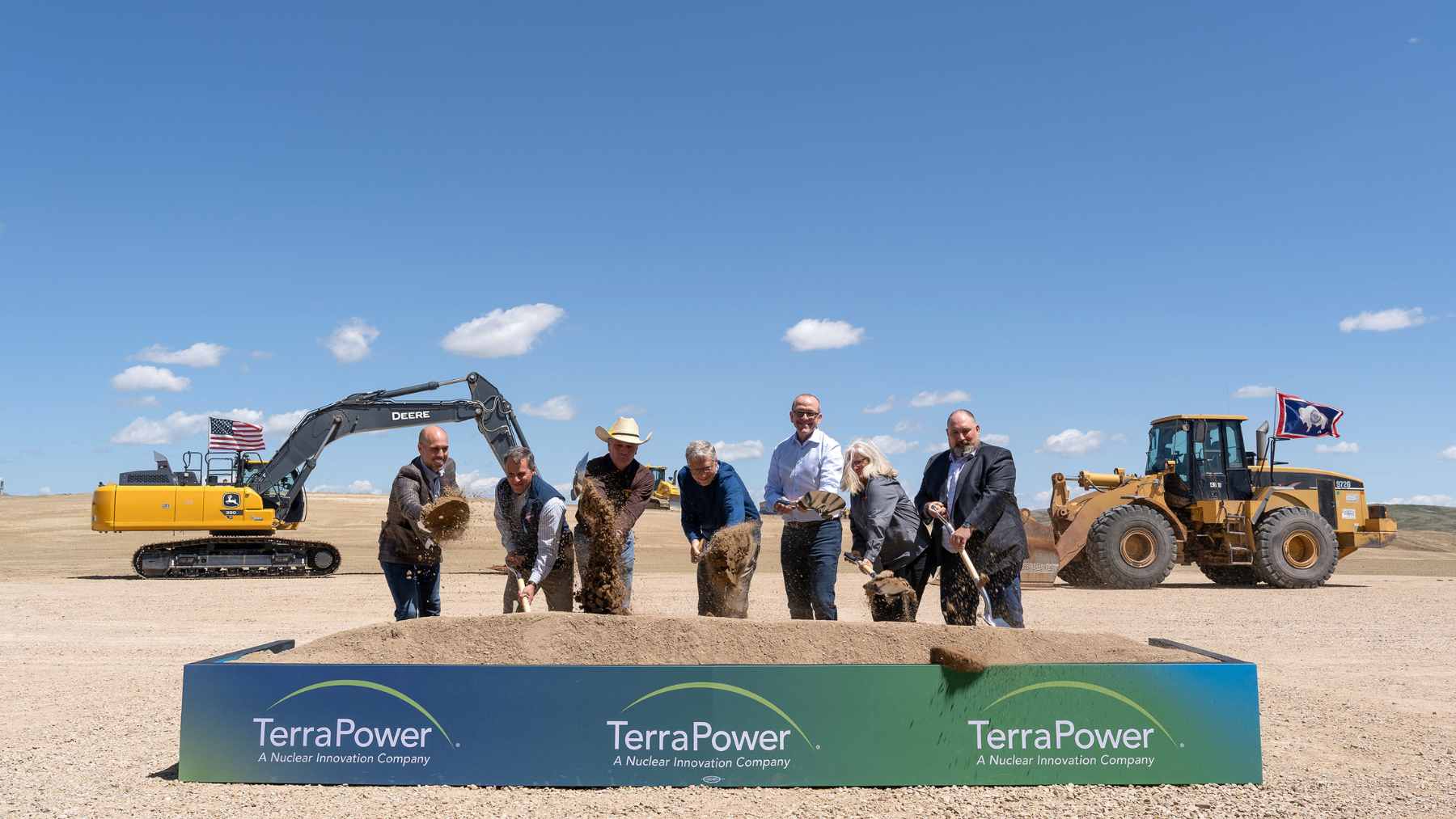
A next-generation nuclear plant backed by Bill Gates just cleared a major regulatory hurdle in Wyoming.
On March 4, 2026, the U.S. Nuclear Regulatory Commission voted to authorize its staff to issue a construction permit for TerraPower’s Kemmerer Power Station Unit 1, a sodium-cooled design intended to deliver 345 megawatts and temporarily boost to 500 megawatts using an energy storage system.
Why should anyone outside the nuclear world care? Because electricity demand is rising in places where artificial intelligence data centers are clustering, and utilities are hunting for power that can run day and night without adding more smokestacks.
The Wyoming permit is not a promise of cheap clean electricity yet, but it is a sign that advanced nuclear power is being pulled into the same conversation as chips, servers, and the monthly electric bill.
A rare green light from the nuclear regulator
The NRC’s own news release calls this its first commercial reactor construction approval in nearly a decade and the first approval for a non-light water reactor design in more than 40 years. NRC Chairman Ho Nieh described the vote as “a historic step forward for advanced nuclear energy in the United States”.
The agency also said its staff completed the technical review in under 18 months after TerraPower filed in March 2024 and the NRC began formal review in May 2024.
A construction permit is not the same as permission to operate. TerraPower still needs to submit a separate operating license application, and the NRC would have to approve that before any fuel is loaded and any electricity flows to the grid.
A coal community becomes a climate test case
The project is planned near an existing coal-fired power plant in Kemmerer, a detail that makes the symbolism hard to miss. For towns built around mining and generation, the transition can feel abstract until paychecks and local taxes are on the line.
Federal officials say the Natrium plant is expected to be completed in 2030, and it would be the first commercial reactor in Wyoming. TerraPower has described the project as costing up to $4 billion, and it is being pitched as a source of reliable power for PacifiCorp’s regional grid.
Why the tech industry is watching Wyoming
Data centers do not sleep, and neither do the cooling systems that keep servers from overheating when summer heat shows up. The International Energy Agency projects electricity demand from data centers worldwide will more than double by 2030 to about 945 terawatt hours, with AI-optimized data centers expected to be the fastest growing slice.
In the United States, the Electric Power Research Institute has put a wide range on how big the data center footprint could become, from 4.6% to 9.1% of total U.S. electricity generation by 2030 depending on how fast AI workloads grow and how much efficiency improves.
Even the low end is enough to show up on the electric bill, especially in regions where new transmission lines take years to get the permits.
Sodium, molten salt, and a different nuclear pitch
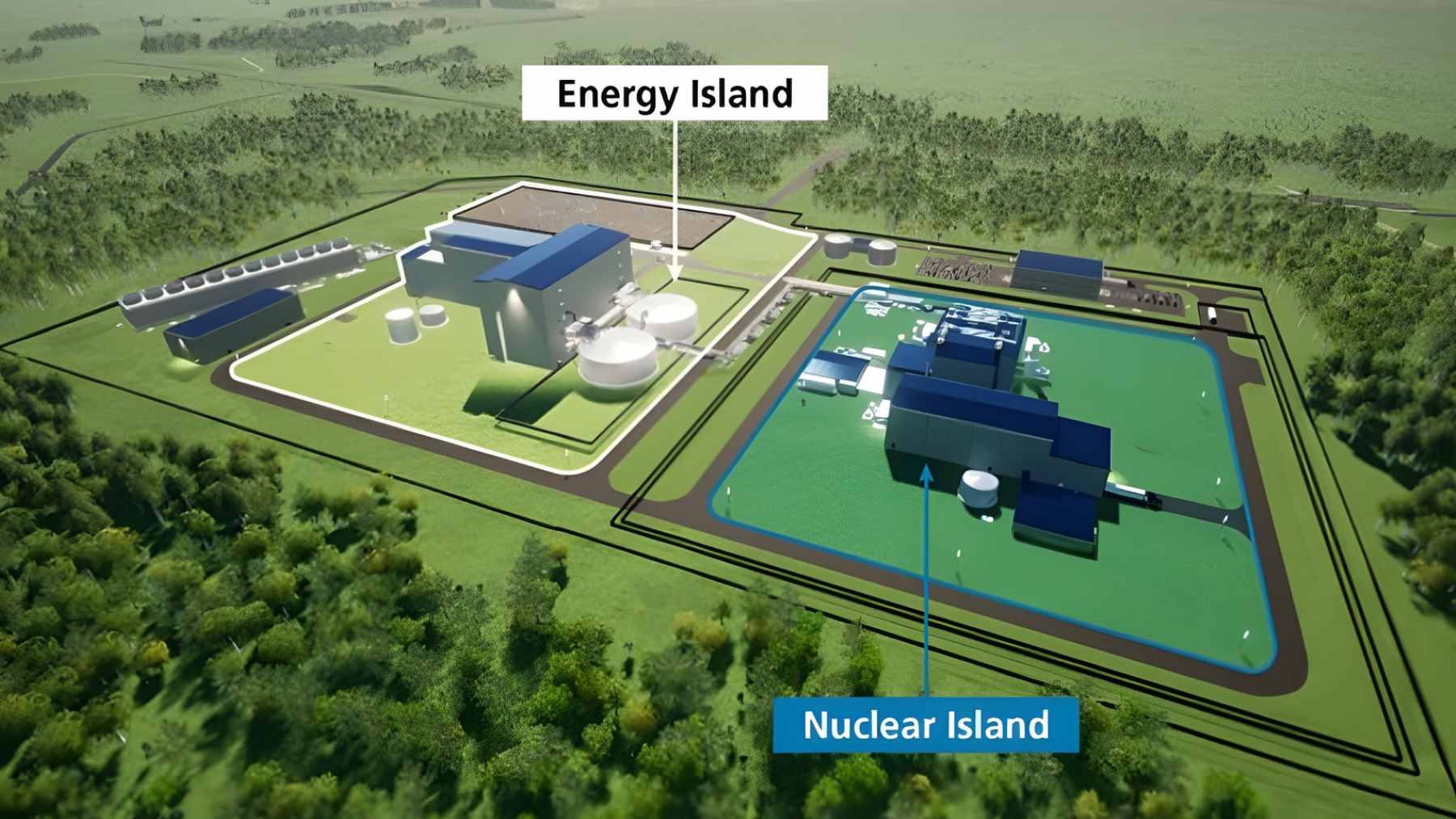
TerraPower’s Natrium concept is designed to be more flexible than the nuclear plants most Americans know. Instead of pairing a reactor only with a steam turbine, it adds molten salt based thermal storage so the plant can bank heat and push output up to 500 megawatts when demand spikes, while the reactor itself can run steadily at 345 megawatts.
That flexibility is one reason supporters see it as a bridge between renewables and reliability. Essentially, it aims to help a grid that is getting more solar and wind while still needing power at 7 p.m. when traffic is backed up, dinner is cooking, and the sun is fading.
The output claims also come with a reality check. A 345-megawatt plant can serve hundreds of thousands of homes on paper, but actual delivered power depends on grid constraints, maintenance schedules, and how the storage system is ultimately dispatched.
The environmental and security questions that do not go away
Nuclear power prevents the air pollution that comes with burning coal or gas, and major reviews consistently find its life cycle emissions are far lower than fossil-fuel generation. But it still produces radioactive waste that must be managed for the long term, and the United States still does not have a permanent disposal site for commercially spent fuel.
There is also the fuel question, which quickly turns into a national security issue. Natrium is expected to use high-assay, low-enriched uranium (HALEU), and the Pentagon is also exploring transportable microreactors such as Project Pele to supply clean, resilient power at military bases.
In January 2026, the U.S. Department of Energy said it awarded $2.7 billion in task orders, including $900 million each to two firms to create domestic HALEU enrichment capacity.
More enrichment can mean more scrutiny. Reuters has reported that nonproliferation experts have urged strong limits and safeguards around higher enriched fuels, even as regulators work to speed up parts of the licensing process for advanced reactors. Now comes the hard part.
The official statement was published on U.S. Nuclear Regulatory Commission.