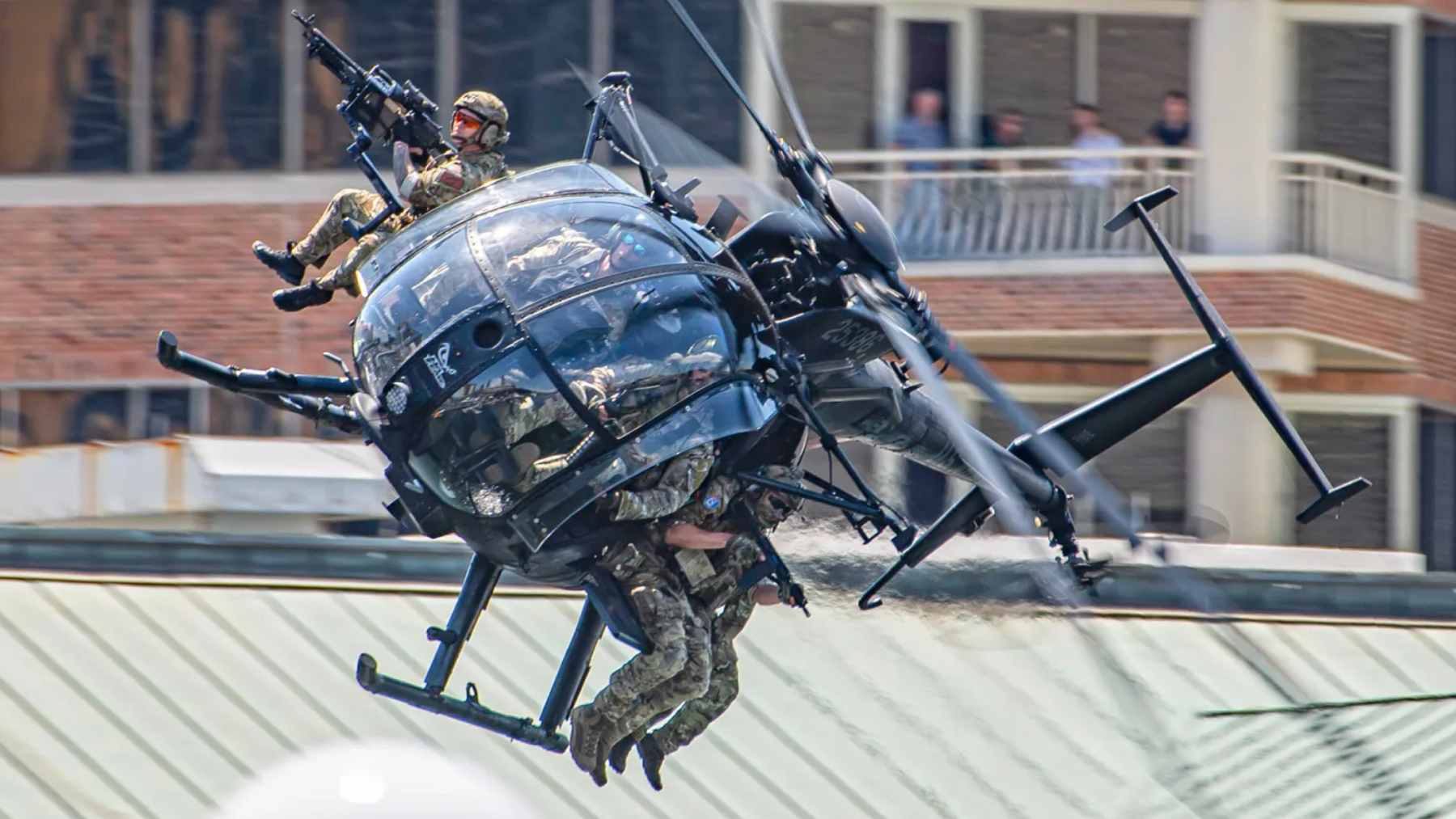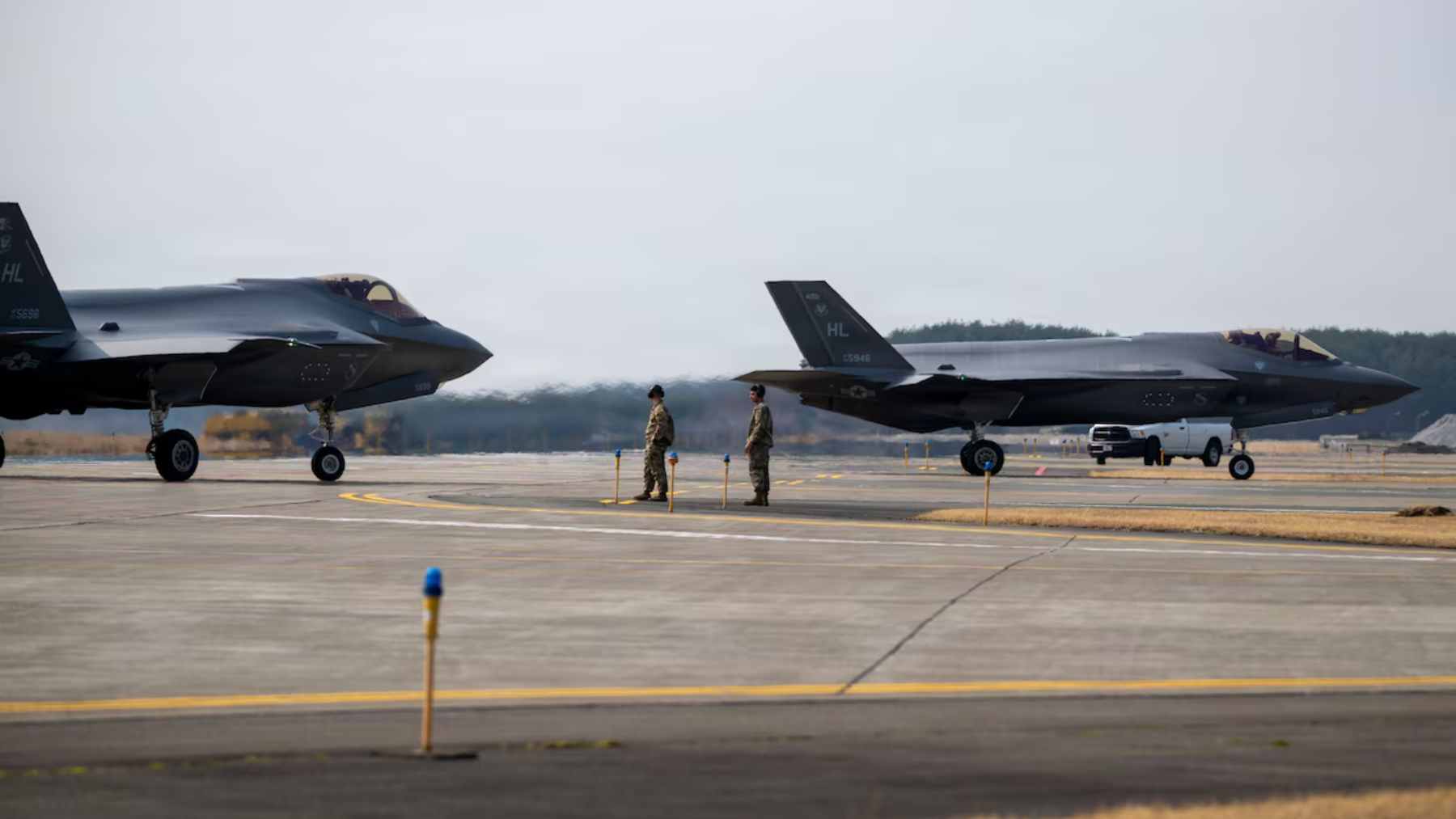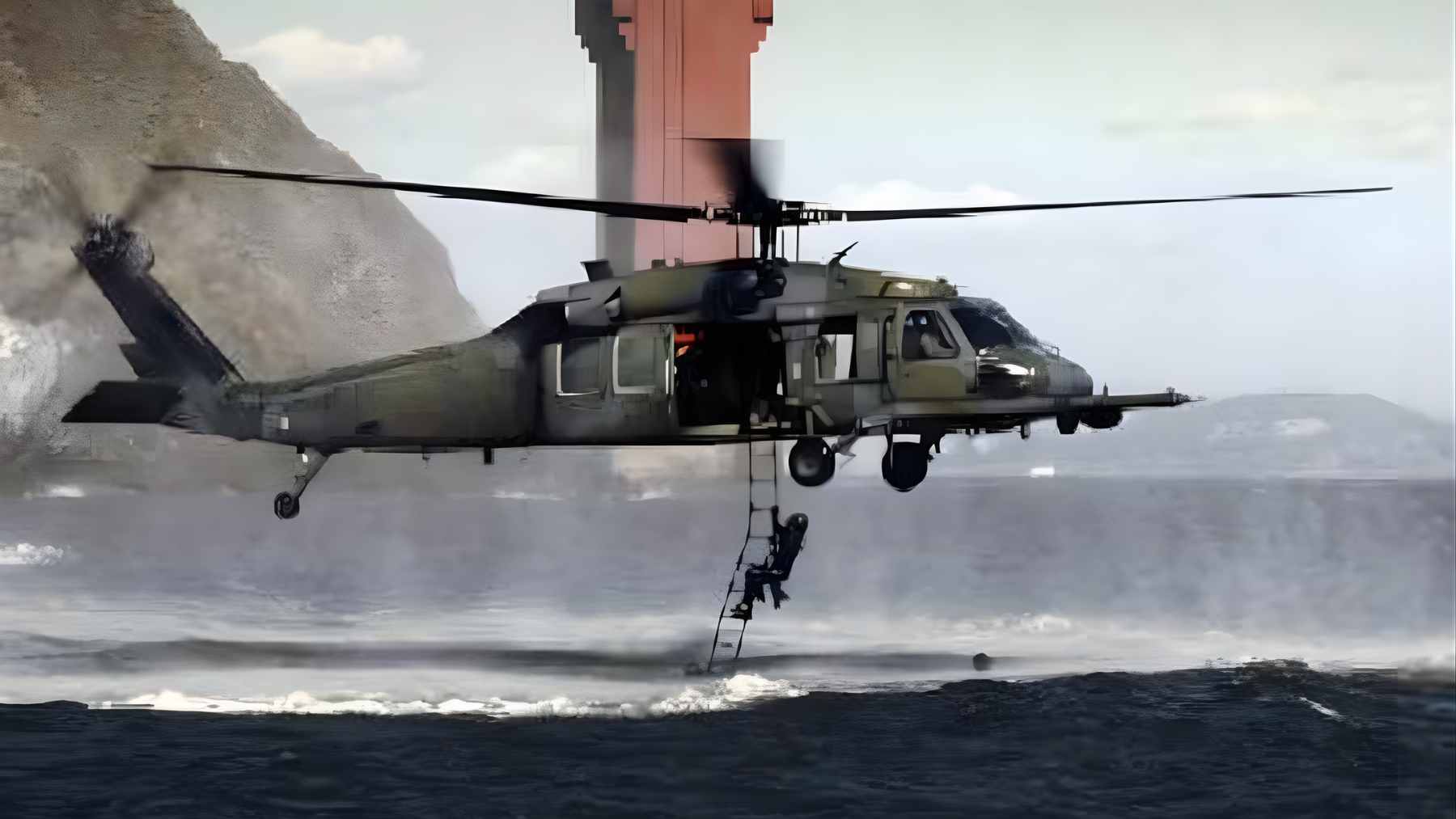
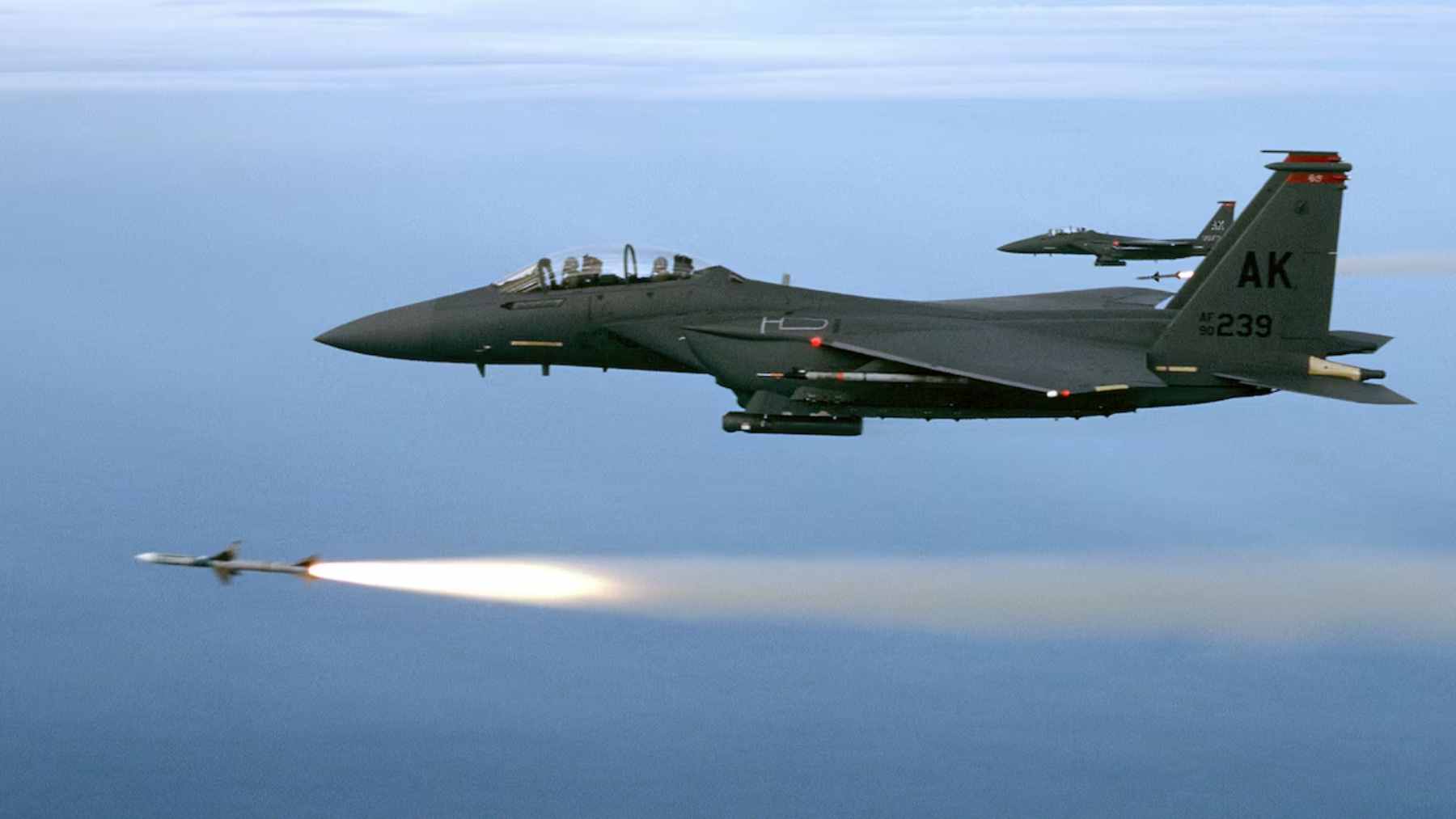
A pair of US airmen go down behind enemy lines, and the Pentagon makes a choice that looks almost unbelievable from the outside. Business Insider reported that US forces flew two high-risk missions into Iran to recover an Air Force pilot and a weapon systems officer after an F-15 Strike Eagle was shot down.
President Donald Trump summed up the stakes bluntly, saying the rescue could have meant “a hundred dead as opposed to one or two,” and still, “we leave no American behind.”
But here’s the part that often stays off the front page: that promise runs on jet fuel, electricity, and a logistics chain that is increasingly exposed to climate stress.
The same rescue culture that sends helicopters and elite teams into danger is also pushing the military to rethink how it powers missions, how it hardens bases, and how it works with industry to cut fuel burn without cutting capability.
Rescue runs on fuel
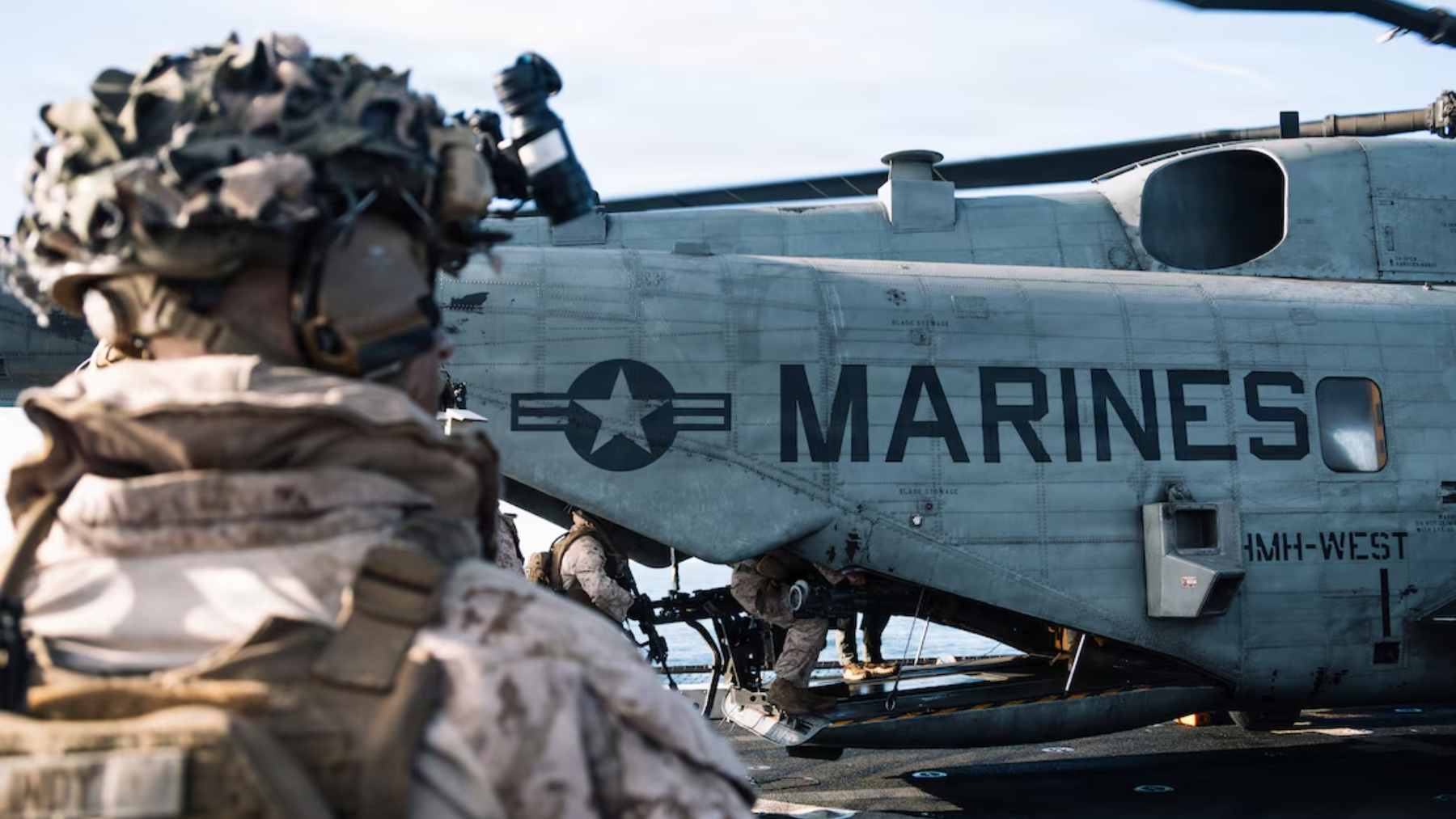
Combat search-and-rescue is not one aircraft racing to a crash site. It is usually a package of helicopters, support aircraft, and protection, which means a lot of fuel in the air and a lot of planning on the ground.
That matters for the environment, because by the Pentagon’s own accounting, jet fuel combustion drove the bulk of operational emissions in fiscal year 2021.
The Department of Defense says its Scope 1 and Scope 2 emissions totaled 56 million tons of carbon dioxide equivalent in FY 2021, and it notes that jet fuel alone accounted for 80% of operational emissions and 50% of its total emissions in that accounting.
It also states that Scope 1 and 2 emissions were about 76% of total federal government emissions and roughly 1% of total US emissions in 2020, which is a reminder that “operational energy” is an environmental story, not just a military one.
Climate hits readiness
The climate angle is not only about greenhouse gases. The same DoD emissions plan points out that cutting energy demand and scaling cleaner energy can strengthen installation resilience and reduce risks tied to electricity disruptions, whether those disruptions come from extreme weather, cyber attacks, or kinetic attacks.
In practical terms, power is now part of force protection.
And once you see it that way, rescue missions look different. If the grid is unstable, if storms knock out local infrastructure, or if heat pushes equipment and people harder than expected, the “go get them” promise gets more complicated.
What happens when the runway is there, but the base around it is running on emergency power and limited fuel deliveries?
Energy is a budget story
This is also where business pressures start to bite. DoD reported spending about $3.3 billion in FY 2021 to power, heat, and cool roughly 284,000 buildings, plus another $140 million to fuel about 180,000 vehicles. Those are the kinds of numbers that make energy efficiency feel less like a slogan and more like a procurement strategy.
Anyone who has watched their electric bill creep up knows the feeling. For the military, the bill shows up as budget tradeoffs that can ripple into readiness, training hours, and modernization. That’s why the department explicitly talks about using its scale and purchasing power to meet its targets, because the market follows big, predictable demand.
The JetZero bet
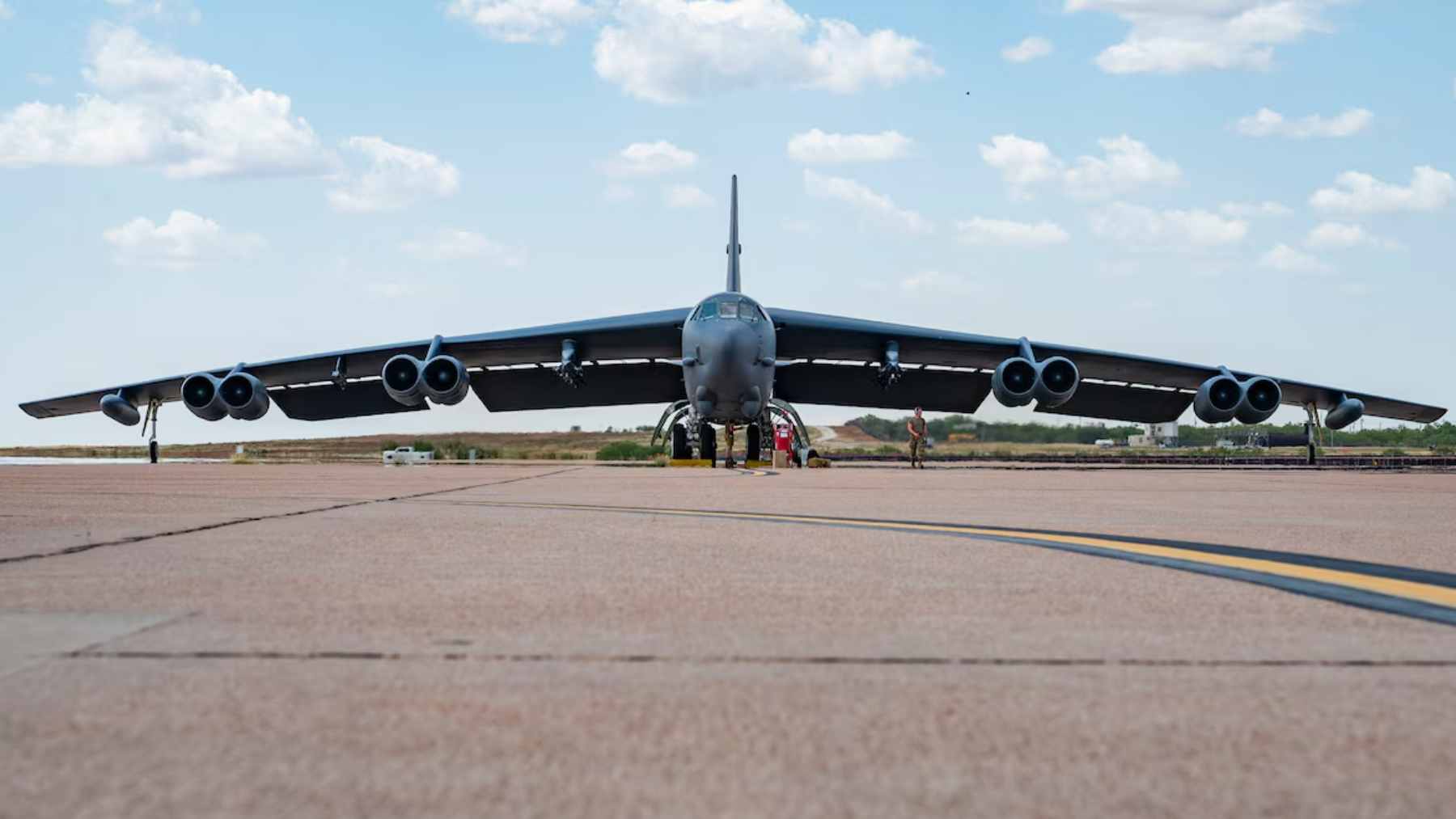
One of the clearest signs of that market pull is how the Air Force is tying operational needs to cleaner flight economics. In an official Air Force update published in May 2025, Eighteenth Air Force described the Department of the Air Force’s partnership with JetZero to develop a blended-wing body prototype, aiming for gains in fuel efficiency, range, and operational flexibility.
The numbers in that update are striking. It says air transport and tanker variants collectively account for about 60% of the Air Force’s total annual jet fuel consumption, and it describes an initial $235 million investment that helped move development forward.
It also points to real commercial momentum, including a United Airlines investment tied to a conditional path to order up to 200 aircraft, plus mentions of Delta and Alaska Airlines getting involved.
Making every gallon count
What makes this more than a “green tech” headline is how directly it connects to contested operations.
In the same Air Force update, a senior Air Force official framed the goal in plain language as improving “lethality-per-gallon,” which is another way of saying the military wants more mission output for every unit of fuel it has to move, store, and protect.
That ambition won’t eliminate the hard calls that come with combat rescue, and it won’t erase the environmental footprint of flying into danger. Still, it does change the trajectory, because efficiency and resilience can reduce emissions while also widening the margin for the next high-risk recovery.
The official press release was published on Eighteenth Air Force.