SANY Group (a private Chinese conglomerate) is planning an investment of more than €1 billion ($1.18 billion) in western Romania that bundles solar power, battery storage, and a 70-MW data center into one giant project.
The plan, widely reported in Romanian business press, would place solar parks in Uivar and build the batteries and data center in Timișoara, in Timiș County.
This is not just another renewables headline, it is a live test of a new idea that is spreading fast across Europe and the US, which is that the internet’s “always on” economy needs clean electricity that can behave the same way.
And as AI pushes power demand higher, the pressure to make data centers both greener and more secure is only getting louder.
A power project built around a data center
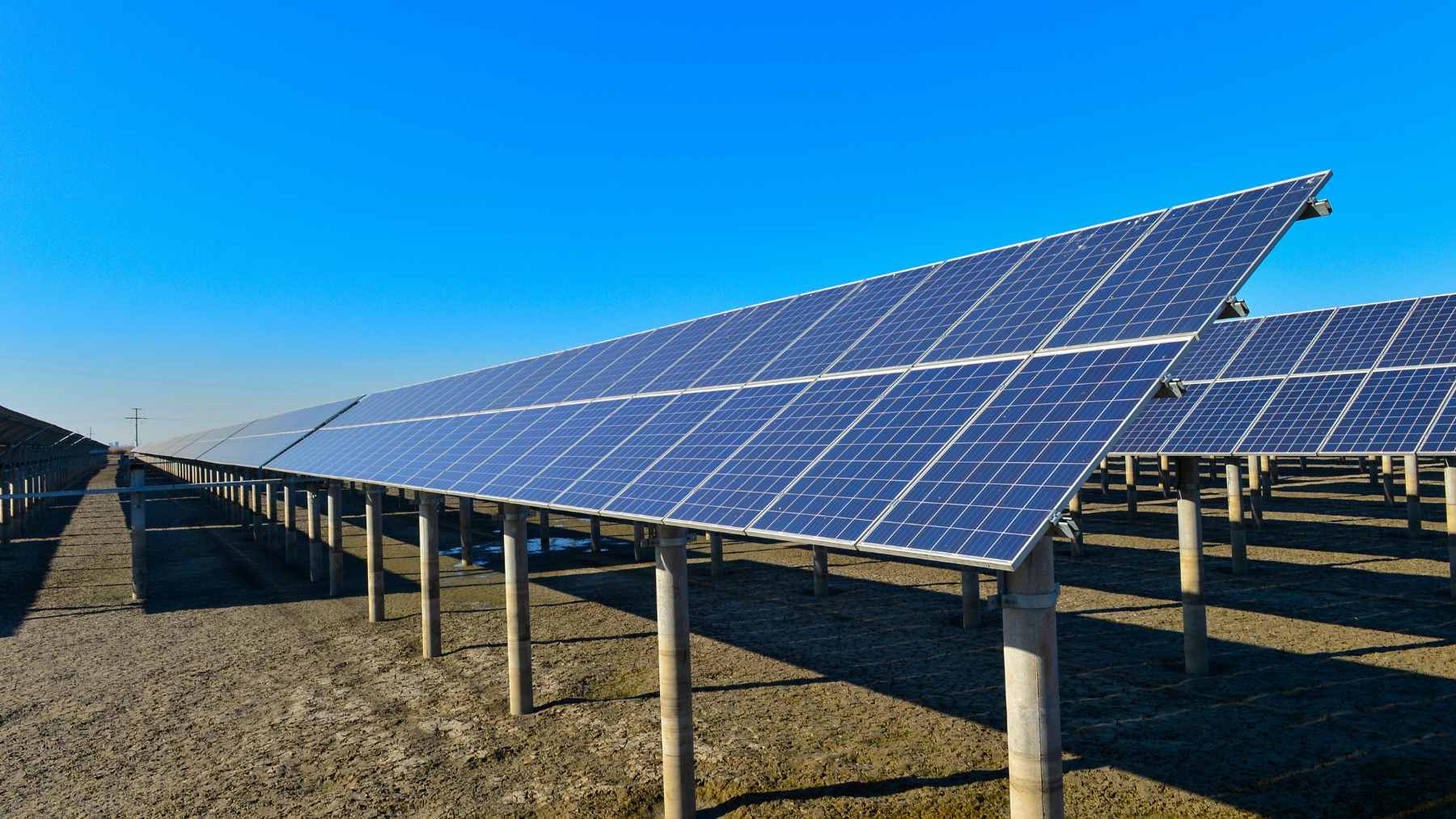
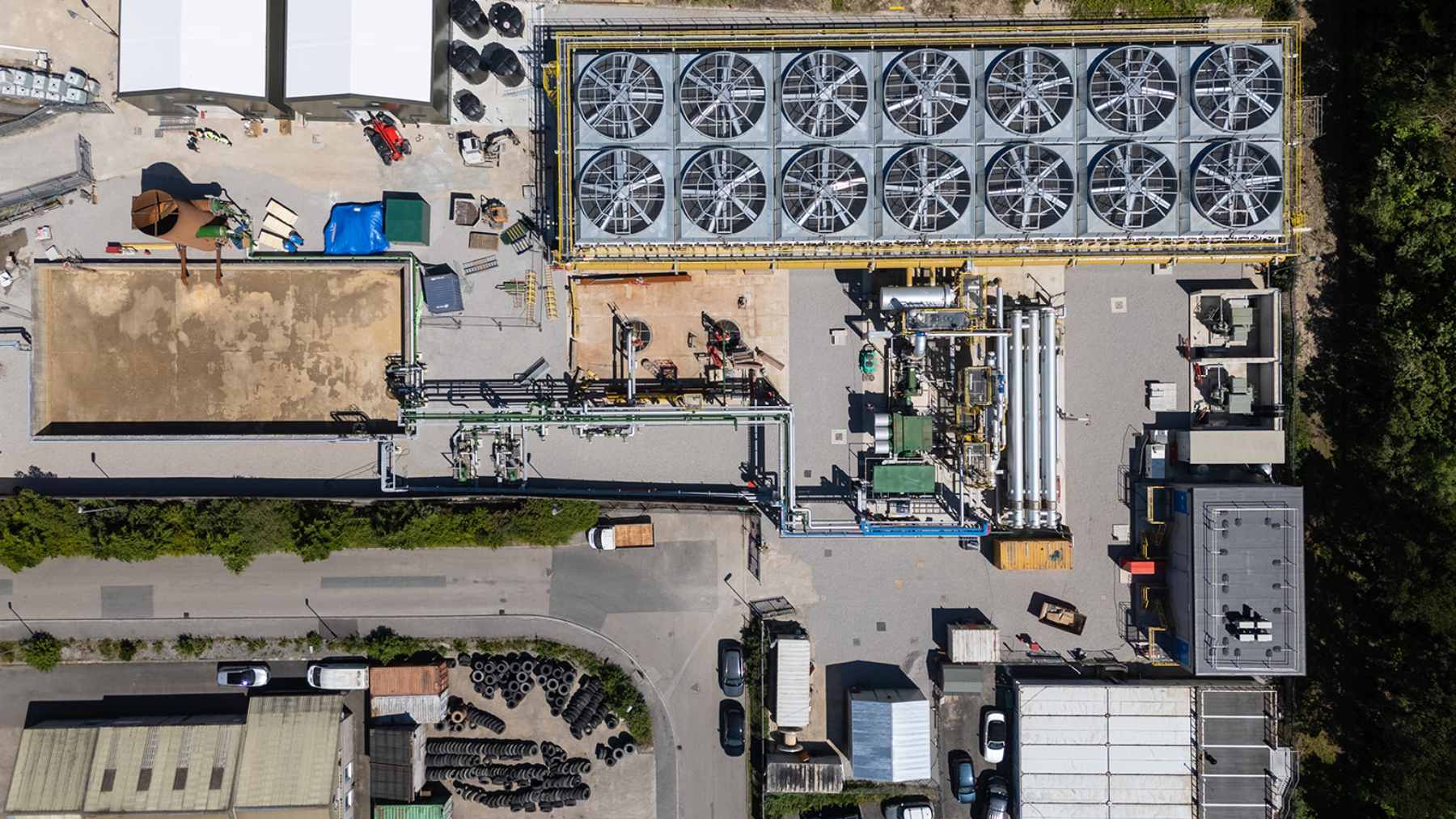
Local reporting says the “TIMIS SANY” project would combine solar parks reported at 800 MWp, a 2.34-GWh battery energy storage system, and a data center designed for a 70-MW IT load. The same coverage puts the cost at roughly €320 million ($377 million) for solar, plus about €350 million ($413 million) each for the batteries and the data center.
What makes this stand out is the structure of the deal. Profit.ro reports that a Singapore registered SANY subsidiary signed a memorandum with Romanian partner Danube Solar Seven SRL, which would oversee implementation through commercial operation.
SANY is also expected to supply core equipment, including solar panels manufactured in China’s Hunan province, and to finance the full investment, according to the same report.
Essentially, it is being pitched as one integrated package, from hardware to electrons to computing.
Batteries change the math for solar
Solar is cheap and fast to build, but it has a daily rhythm that everyone recognizes. Your electric bill tends to spike right when the sun is fading and persistent summer heat keeps the air conditioner running.
That is where large batteries come in, at least in theory. A 2.34-GWh storage system can shift solar generation into the evening and help smooth out sudden drops from clouds or grid congestion, which is exactly what a data center operator wants.
Romania is also leaning hard into storage more broadly. In mid 2024, Energy Minister Sebastian Burduja was cited as saying the country aimed for at least 2.5 GW of storage in operation by the end of 2025 and to exceed 5 GW by the end of 2026.
Still, batteries are not a magic wand. They raise new questions about supply chains, end-of-life recycling, and how projects are permitted and connected to the grid at scale, especially when a single site is trying to serve both the power system and the digital economy.
The “green cloud” is getting audited
The timing matters. The International Energy Agency says global electricity consumption for data centers is projected to roughly double to around 945 TWh by 2030 in its base case, with growth driven in part by AI.
Europe is feeling it, too. The European Commission has pointed to IEA estimates that EU data centers used about 70 TWh of electricity in 2024, with expectations rising toward about 115 TWh by 2030, even as precise measurement remains a challenge.
That is why Brussels is moving from encouragement to measurement. Under the revised Energy Efficiency Directive, large data centers have to report key performance indicators into a European database, and the Commission is now developing a more visible rating approach so buyers can compare sustainability claims.
Energy security meets cyber security
When you combine power generation, grid scale batteries, and a major data center, you are no longer talking about a simple real estate project. You are talking about infrastructure that sits in the same risk category as substations, telecom hubs, and industrial control systems.
The EU is already tightening the rules around that reality. The NIS2 Directive is designed to strengthen cybersecurity across 18 critical sectors, including energy and digital infrastructure, pushing operators toward stronger risk management and incident response.
At the same time, foreign investment screening is getting sharper, especially for assets linked to national security and public order.
In March 2026, legal analysts noted Romania updated its foreign direct investment screening framework again through Emergency Government Ordinance No. 17/2026, explicitly tying it to the EU’s cooperation mechanism under Regulation (EU) 2019/452.
There is also an uncomfortable nuance regulators keep circling. EU data center reporting rules include exemptions for facilities used exclusively for defense and civil protection purposes, which is a reminder that “digital” can be civilian, military, or both depending on the tenant.
What readers should watch next
The biggest near-term question is simple and it is not glamorous: can a project of this size secure permits, land, and grid connection fast enough to actually reach commercial operation, especially when Romania is already trying to scale renewables and storage at speed?
Then comes the transparency test. If the data center is marketed as “green,” observers will look for proof of how the power is matched over time, what happens during low solar periods, and whether backup generation leans on diesel or cleaner alternatives, which has real climate implications.
Finally, watch how Europe’s new data center rating push lands in practice. The whole point is to make energy use and sustainability performance easier to compare, which could reward projects that genuinely integrate renewables, storage, and heat or water management instead of just buying offsets.
The big takeaway is that the cleanest “cloud” projects will increasingly be the ones that can prove, not just promise, how their electricity is sourced and managed.
The official statement was published on European Commission Energy.