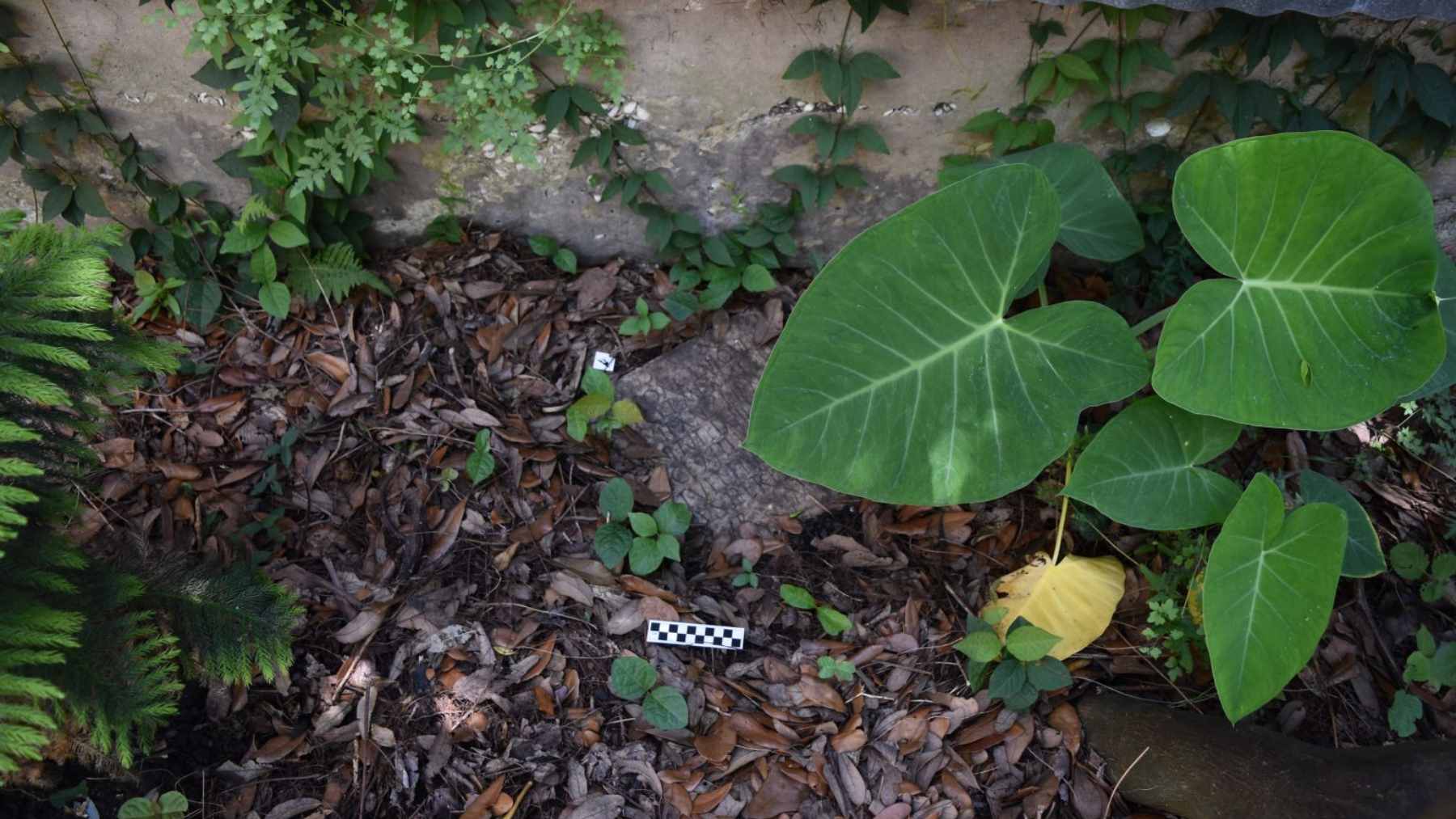
What starts as a backyard cleanup usually ends with weeds, dirt, and maybe an old flowerpot. In one New Orleans garden, it ended with a Roman grave marker nearly 2,000 years old.
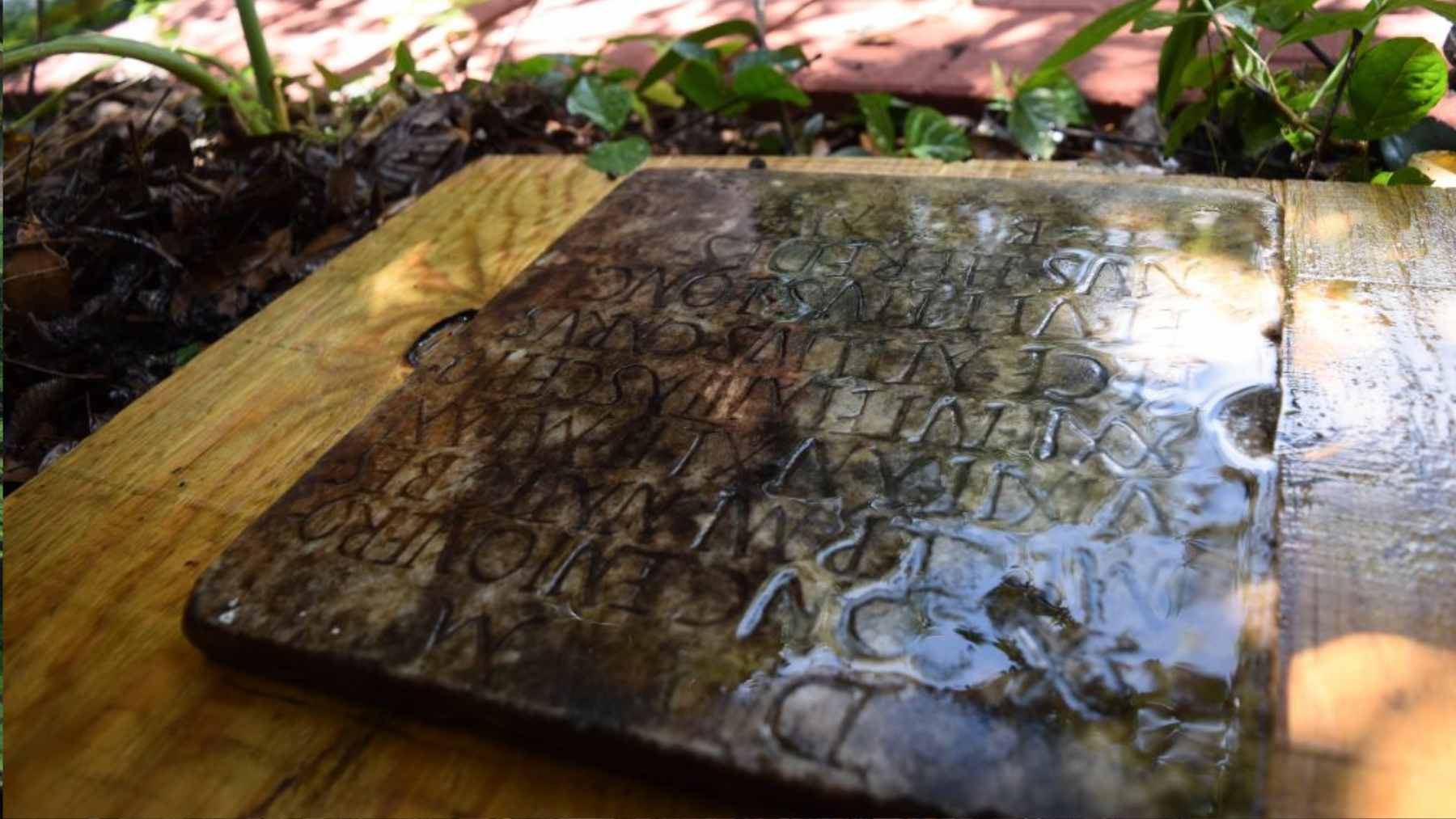
A marble tablet found half-buried behind a home in the city’s Carrollton neighborhood has been identified as the funerary inscription of Sextus Congenius Verus, a Roman soldier from Thrace who died at age 42 after 22 years of military service.
Researchers linked the slab to the National Archaeological Museum of Civitavecchia in Italy, where it had once been recorded before going missing during World War II. The FBI’s Art Crime Team is now handling the repatriation.
How the ancient Roman tombstone was identified
That is the headline. But the story behind it is what makes this discovery so striking.
According to Tulane and local preservation researchers, homeowner Daniella Santoro grew suspicious as soon as she saw the Latin inscription, especially the phrase “Dis Manibus,” a standard Roman dedication meaning “to the spirits of the dead”.
It was not garden décor from a hardware store. It was a real funerary monument, carved for a man who served in the imperial fleet and, for the most part, had been forgotten by history until now.
How the artifact ended up in Louisiana
The tablet’s journey to Louisiana appears to trace back to the 20th century. Reporting from the Preservation Resource Center of New Orleans said the stone had previously been kept by the family of Charles Paddock Jr., a U.S. serviceman stationed in Italy during World War II.
His granddaughter, Erin Scott O’Brien, later placed it in a backyard garden, believing it was simply an unusual piece of art. That small household decision, the kind many people make without a second thought, helped hide a lost artifact in plain sight for years.
World War II and the lost museum artifact
The wider backdrop matters too. The museum in Civitavecchia was heavily damaged by Allied bombing in 1943 and 1944, and many objects were lost or displaced. This tablet was one of them. In practical terms, that means a war that tore through Europe also scattered pieces of cultural memory across oceans and generations.
And sometimes, decades later, those fragments reappear in the most ordinary places, much like other stories where science and preservation depend on what people choose to protect.
Why this Roman tombstone discovery matters
At the end of the day, this is not just a quirky archaeology story. It is also a reminder that preservation depends on curiosity, patience, and people who ask one more question instead of walking away.
This time, that question helped return a soldier’s memorial to the place where it belongs.
The official account of the discovery and repatriation process was published on Preservation Resource Center of New Orleans.