What happens when the wind drops and the sun slips away? Officials in Germany think part of the answer may be moving right under the water.
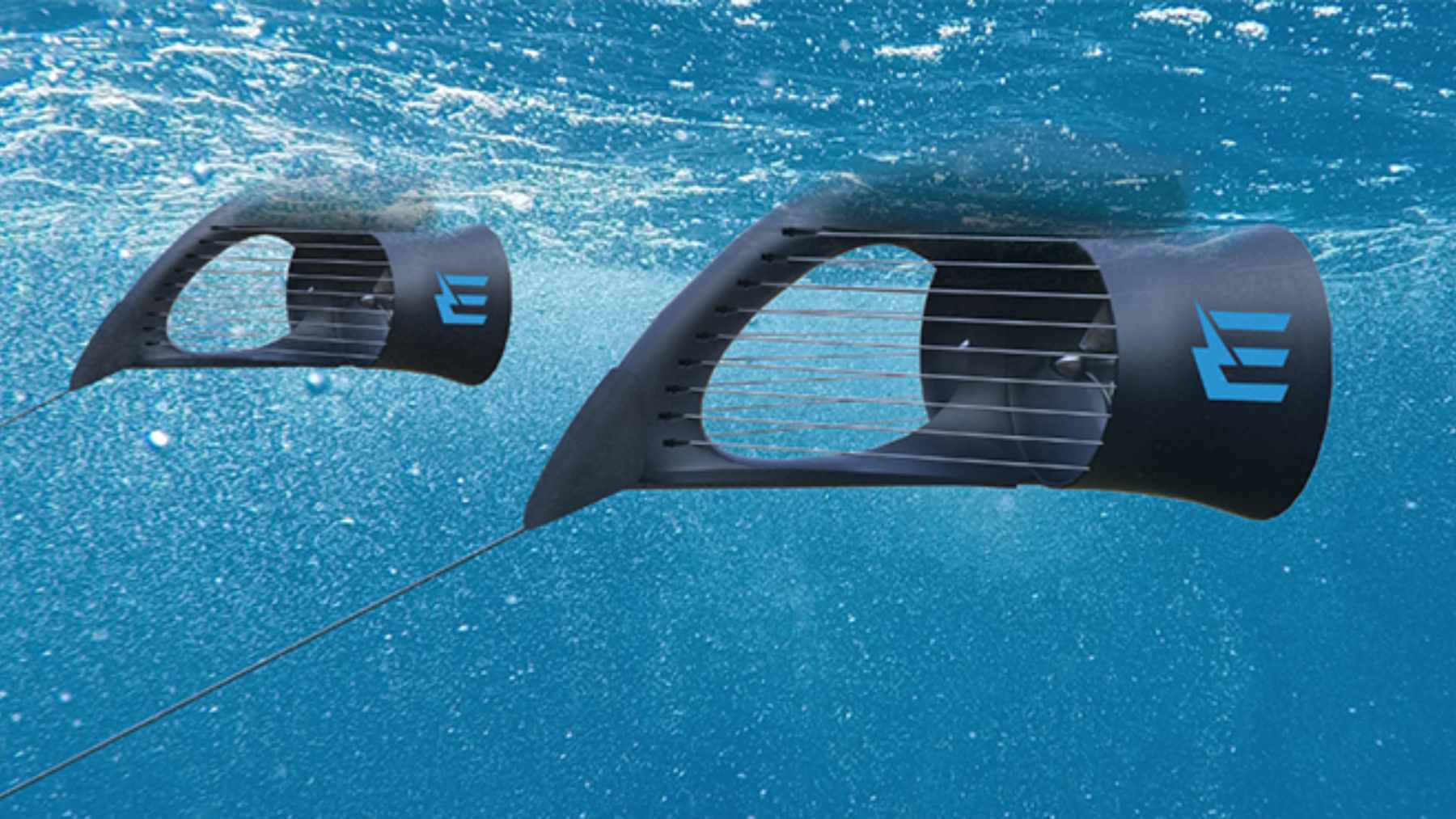
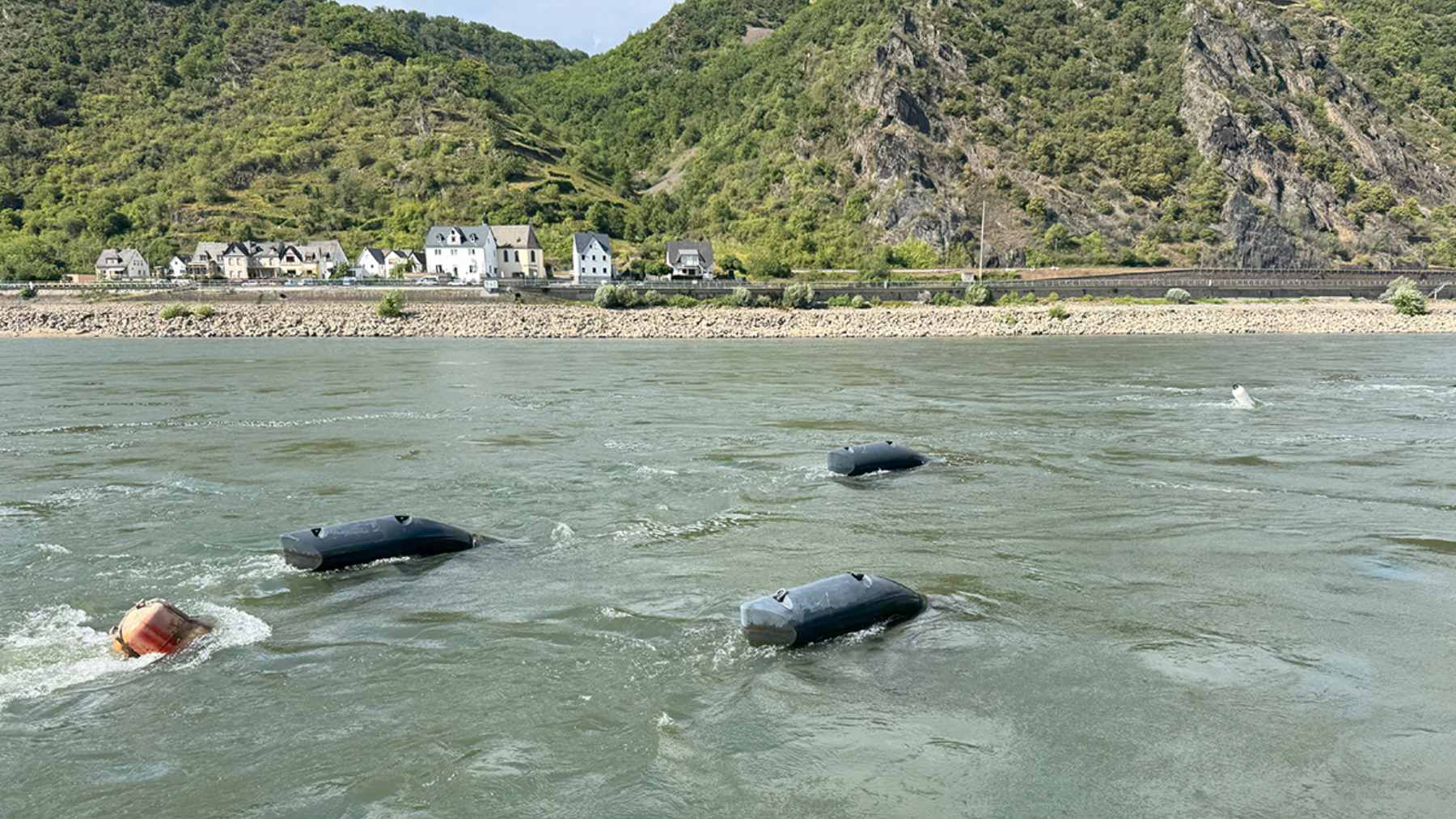
On March 9, 2026, Rhineland-Palatinate approved what it calls the world’s first swarm power plant near Sankt Goar, built around 124 floating “Energyfish” micro-hydropower units in a side channel of the Rhine. Three are already operating, and 21 more are planned in the next phase.
If the full fleet is built, the state ministry says it could supply electricity to more than 460 households, with generation costs comparable to wind and solar. This will not remake Europe’s grid on its own, but it goes after a real weak spot in the energy transition.
Solar panels stop at sunset and wind turbines can slow down, but river currents keep moving, which means a steadier stream of clean electricity when homes, businesses, and the electric bill all keep demanding power.
Why this stretch of river
Sankt Goar was not chosen by accident. The Middle Rhine narrows here, accelerating the water to about 1.5 to 2 meters per second (5 to 6.5 ft./sec), which officials say is ideal for the system.
Energyminer’s own technical page lists each Energyfish at about 2.8 by 2.4 by 1.4 meters (9.2 x 7.9 x 4.6 ft.) and roughly 80 kilograms (176 lbs.) with a maximum output of 6 kilowatts. The company also says a school of 100 units can produce about 1.5 gigawatt-hours a year. Quiet, mostly hidden, and small–that is the pitch.
The hard part is not the engineering. It is ecology. Conventional hydropower often comes with dams, blocked migration routes, and reshaped habitats.
This project is trying a different route. The units are suspended in the river, anchored to the bed, and do not require a weir. The state ministry says a Technical University of Munich study found the turbines did not injure migratory fish in the Rhine or alter their behavior.
TUM’s own project page also makes clear that ecological testing is central to judging whether this technology can scale responsibly.
A small project with bigger stakes
There are limits, of course. Not every river is deep enough or fast enough to host a system like this, and officials say more projects should follow only in suitable locations. So no, this is not a magic fix.
But Energyminer co-CEO Richard Eckl called St. Goar the company’s “proof of scale,” and that is really what this project is: a test of whether a river can deliver more clean power without another large dam, more noise, or a bigger construction footprint on the landscape.
And that is why this quiet stretch of the Rhine matters beyond one town.
The official statement was published on Ministry for Climate Protection, Environment, Energy and Mobility of Rhineland-Palatinate.