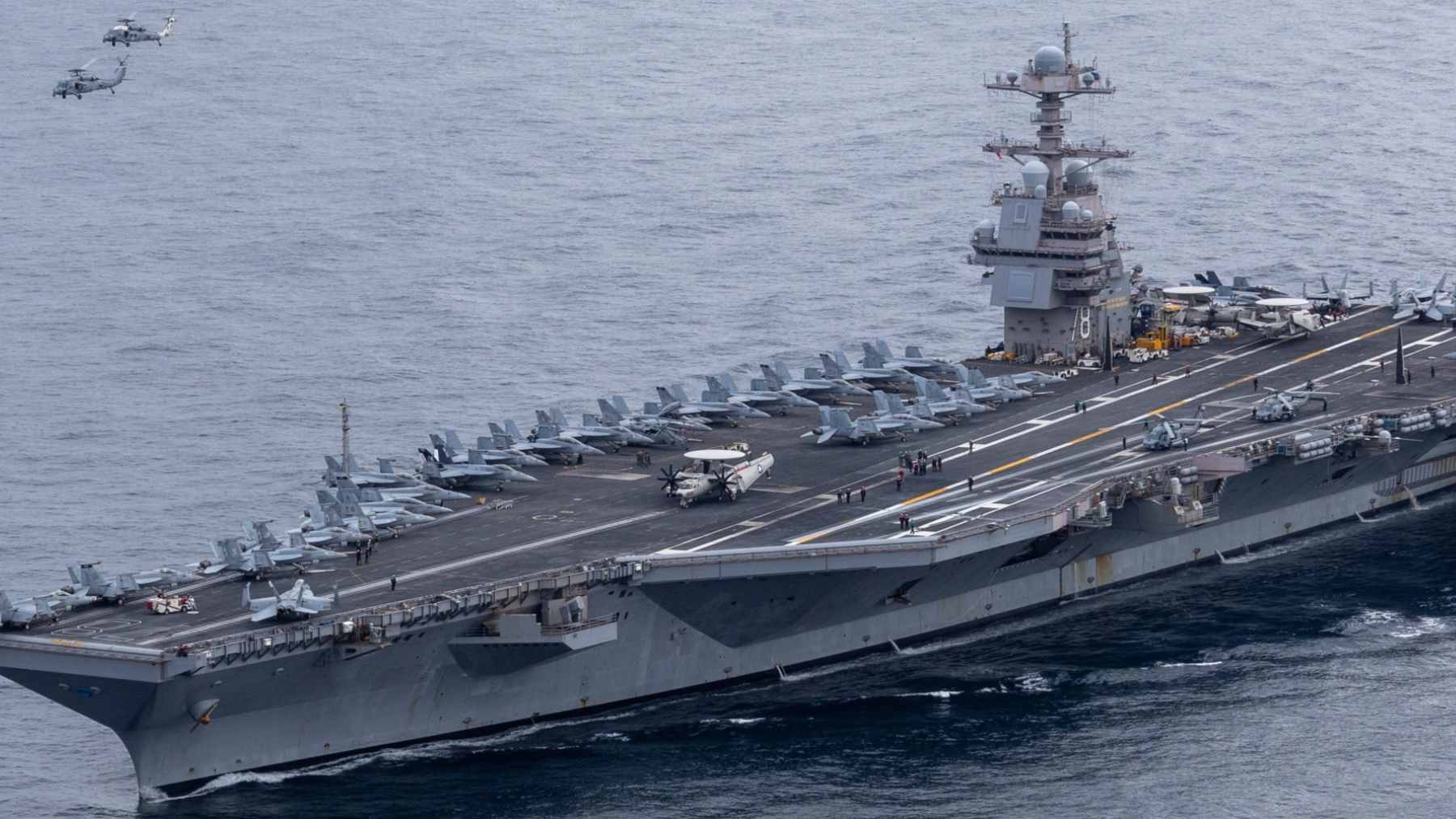
What does a laundry fire have to do with combat readiness? More than most people might think. On March 12, USS Gerald R. Ford suffered a non-combat fire in its main laundry spaces while operating in the Red Sea.
Two sailors were treated for non-life-threatening injuries, and the Navy said the ship’s propulsion plant was unaffected and the carrier remained fully operational.
But this was not just a story about one compartment. USNI News reported that damage control continued for more than a day, smoke spread into berthing spaces, and more than 200 sailors were treated for smoke inhalation before returning to duty.
The Navy also had to move 1,000 mattresses from the future USS John F. Kennedy and gather almost 2,000 sweatsuits because much of Ford’s laundry service was out of commission. Clean clothes, breathable air, and a place to sleep may sound basic.
On a carrier, they are part of the mission.
Why the onboard environment matters
Ford left Norfolk on June 24, 2025, and the deployment has stretched far beyond the usual rhythm for a carrier. In late February, the Navy said the crew was already more than eight months into an extended deployment.
Adm. Jim Kilby later told lawmakers the mission would likely run about 11 months, a timeline that would also affect the carrier’s maintenance availability.
USNI News reported that the ship had reached 266 deployed days as of Tuesday, meaning a stay into mid-April would break the post-Vietnam 294-day deployment mark.
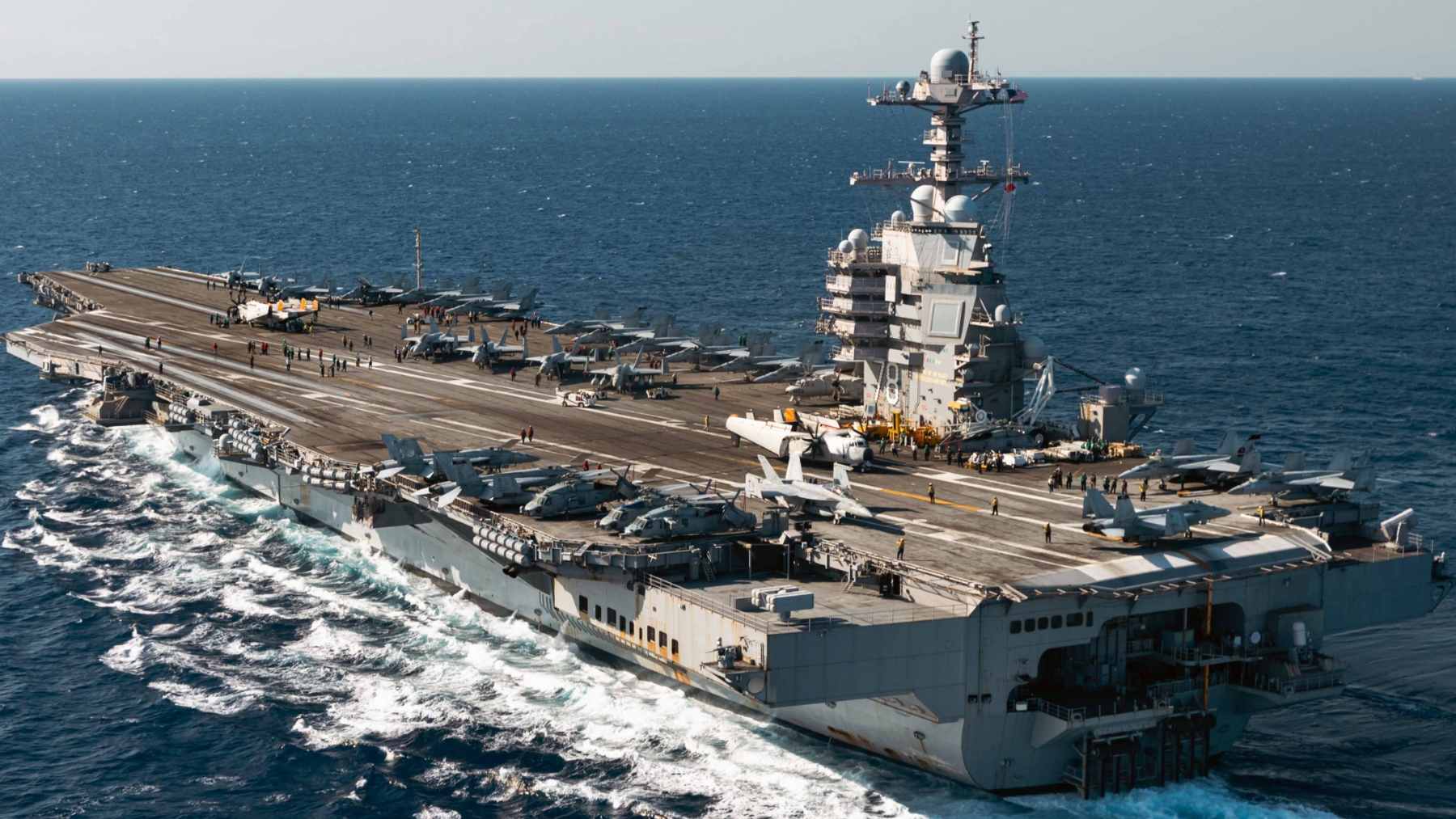
That matters because a supercarrier is not just a runway at sea. It is a tightly managed onboard environment built around potable water, sanitation, food service, ventilation, and berthing.
The Navy says Ford’s reverse osmosis systems produce more than 400,000 gallons of drinking water a day, the crew has been served more than four million meals since departure, and the ship’s sanitation system has processed more than six million toilet flushes during the deployment.
In other words, the “small” systems are not small at all.
The strain is starting to show
Ford was built to showcase high-end naval tech, including the Electromagnetic Aircraft Launch System and advanced arresting gear. But this week’s most revealing story was much more ordinary.
A laundry space caught fire, berthing took smoke damage, and everyday systems became the real headline. That is what long deployments do, to a large extent.
They test not only the weapons and flight operations, but the closed environment sailors live in every day. USNI News reported Tuesday that the Ford is now preparing to head to Souda Bay for pierside repairs.
The official statement was published on the U.S. Naval Forces Central Command website.