India will sharply cut tariffs on high end American cars and give Harley Davidson bikes tariff free access under a new interim trade pact with the United States. Electric vehicles are excluded, which means the world famous brand Tesla gains no new way into the Indian market on better terms.
The deal is part of a broader framework that brings Washington and New Delhi closer to a full trade agreement after President Donald Trump said duties on Indian exports to the United States would fall to 18 percent from 50 percent if India stopped buying Russian oil.
For car fans and trade watchers, the question is simple. Who really wins from this tariff shake up.
Tariff relief for high end gasoline cars
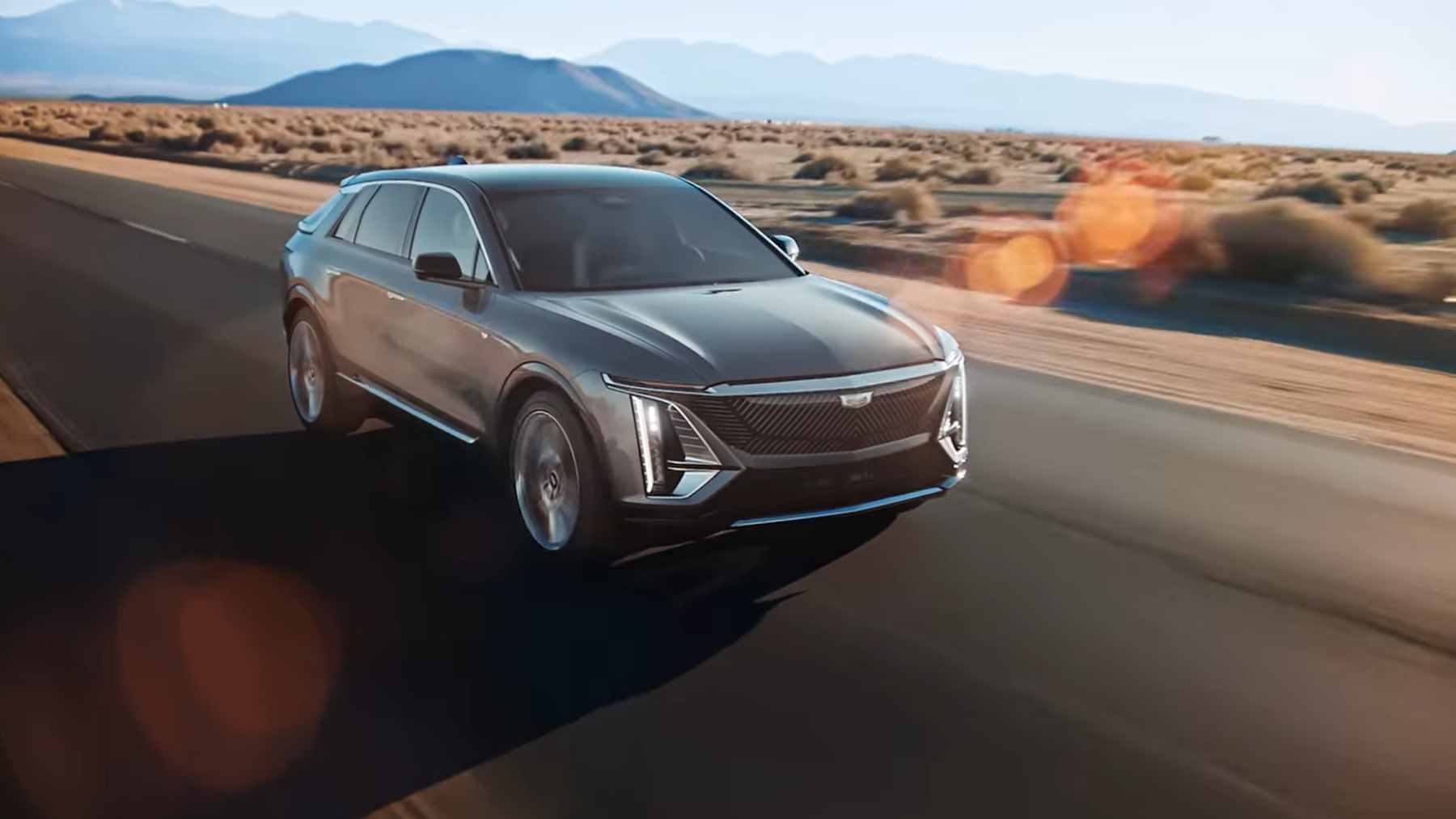
According to an Indian government official, tariffs on traditional gasoline cars with engines larger than 3,000 cubic centimeters will fall in stages to 30 percent over ten years.
Today, those imports can face total charges from 70 percent up to 110 percent, which keeps sticker prices in India sky high.
India, now the third largest car market in the world, has long used steep import taxes to protect its domestic auto makers. With this gradual cut, only a narrow slice of high powered vehicles gets easier access, the kind of luxury models more likely to appear in gated driveways than crowded city streets.
Harley bikes win, electric cars wait outside
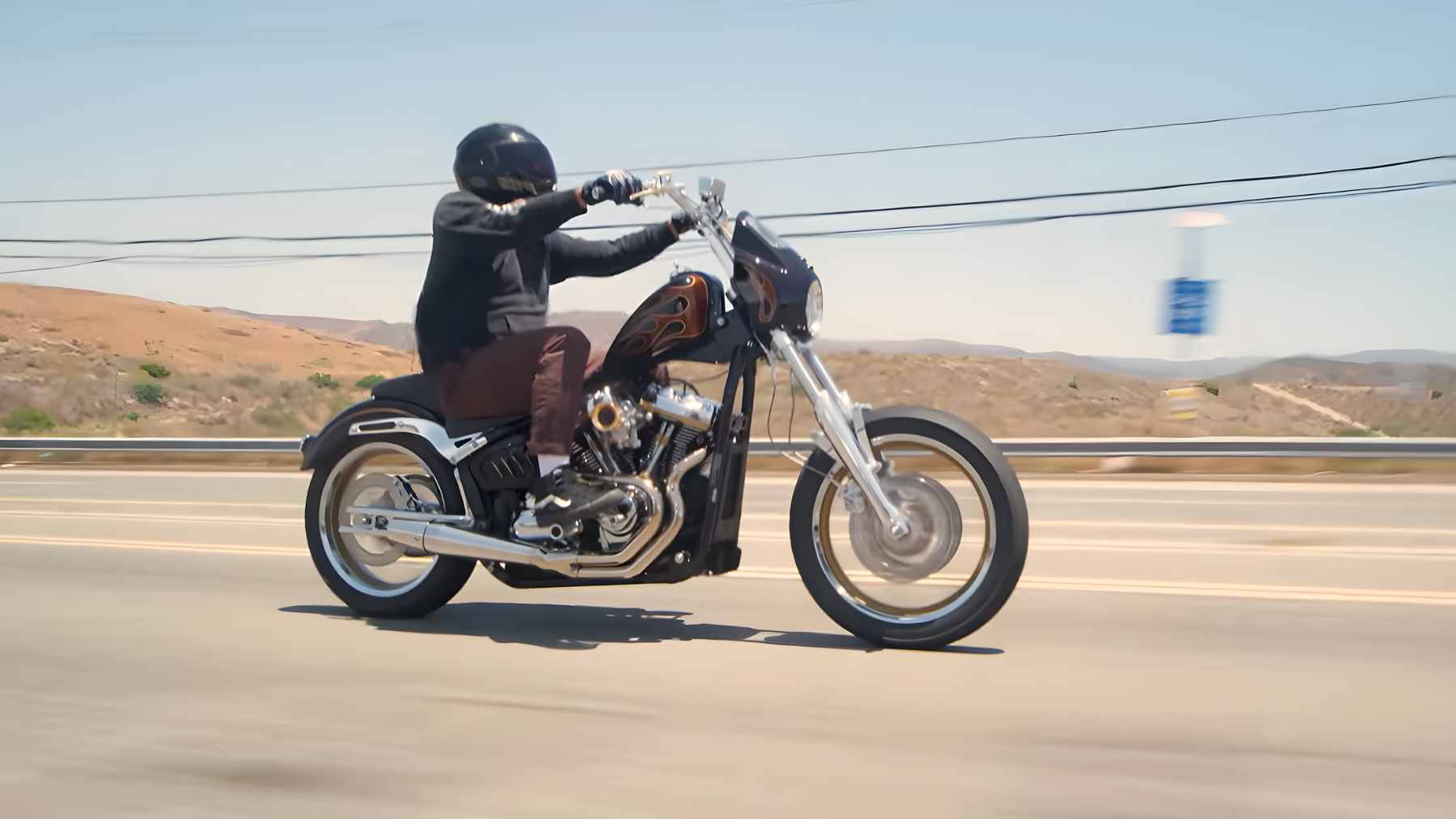
Under the same interim pact, duties on Harley Davidson motorcycles will be scrapped entirely, and other premium motorbikes will also see lower tariffs, the official said. For riders who dream of the classic V twin rumble, that could eventually show up in more attractive price tags in Indian showrooms.
Electric vehicles are kept out of the tariff cuts, shutting the door on a lower duty entry route that Tesla had hoped for. Company chief Elon Musk has often criticized India for its high import taxes on electric cars, and this deal confirms that battery powered models remain last in line for special treatment.
Different offer for Europe, same protection at home
India has offered the European Union a broader opening that includes steeper cuts on car tariffs, in some cases to around 10 percent, and eventual concessions on certain electric vehicles.
The comparison underlines how New Delhi is willing to tailor access to different partners while still guarding key sectors.
For the most part, the structure of the United States deal shows that India still wants to shelter its growing auto industry while giving some ground on niche high end imports. The main report has been published by Reuters.
The official joint statement on the interim trade agreement was published on the Press Information Bureau website.