Planning a quiet kayak trip this summer? In Oregon, forgetting one small permit can now turn a low-cost day on the water into a $115 fine.
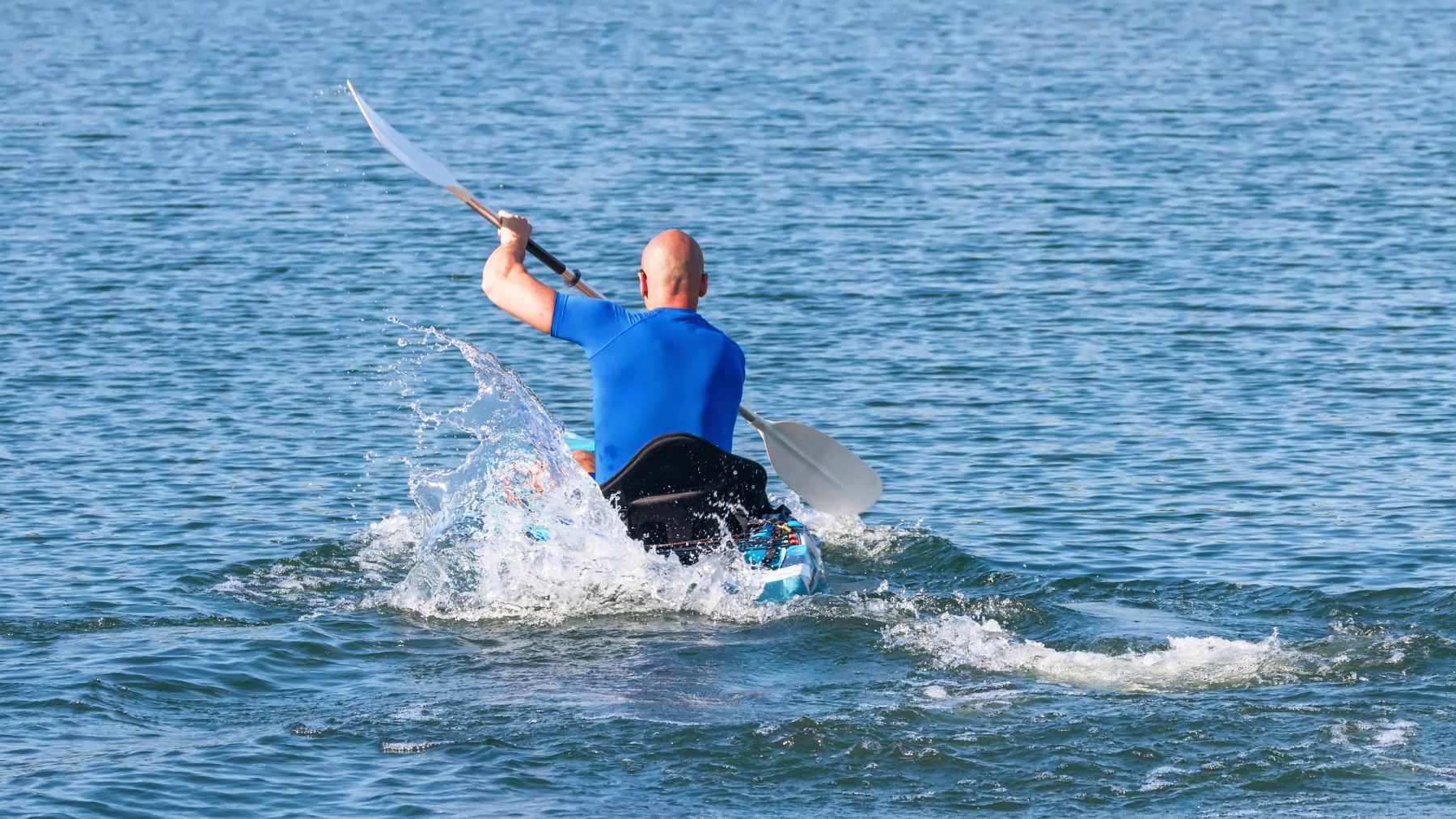
Starting in 2026, the state says “all operators of non-motorized boats will need a Waterway Access Permit,” including people using kayaks, rafts, and stand-up paddleboards, even inflatable ones.
That pulls in many casual paddlers who were not covered before if their craft was under 10 feet long. State officials say the goal is not just enforcement. It is also about protecting rivers and lakes from invasive species before summer crowds hit the water.
Why Oregon widened the rule
This is not a brand new program. Since 2020, Oregon has required permits for nonmotorized boats 10 feet and longer.
What changed for 2026 is the expansion to smaller paddlecraft under 10 feet, which means that the short, inflatable board in the trunk now counts too. Essentially, the state is closing a gap that left some of the most common entry-level paddlecraft outside the permit system.
The environmental case is real. Oregon’s 2025 Aquatic Invasive Species report says crews conducted 21,136 watercraft inspections, decontaminated 288 boats for aquatic vegetation, and carried out 10 full decontaminations tied to invasive freshwater mussels.
The same report points to quagga mussel detections in Idaho and the spread of golden mussels in California’s Sacramento River Delta as growing threats to Oregon waterways.
It may sound technical, but the effect is easy to understand. Once these species spread, they can damage ecosystems, clog infrastructure, and make life harder for boaters and anglers alike.
What boaters need to keep in mind
Permit prices start at $6 for one week, then $20 for a year or $35 for two years through the Boat Oregon Store, plus a $1.50 portal fee. Boaters can keep the permit on a phone or carry a printed copy.
Also, when an inspection station is open, everyone transporting a motorized or nonmotorized boat is required to stop. Most inspections take about 10 minutes, though decontamination can last from 20 minutes to an hour.
That is a small delay, sure, but it is a lot cheaper than learning the rule the hard way at the launch ramp.
At the end of the day, this is about more than avoiding a ticket. Oregon says permit revenue helps fund both inspection stations and paddler access improvements.
Since 2021, more than $4.6 million in Waterway Access Permit dollars have been awarded through grants for safer launch sites, carry-down access, sanitation, and on-water education.
For families planning a weekend at the lake, it is one more thing to check before loading the car. For the state, it is part of a larger environmental shield.
The official guidance was published on Oregon State Marine Board.