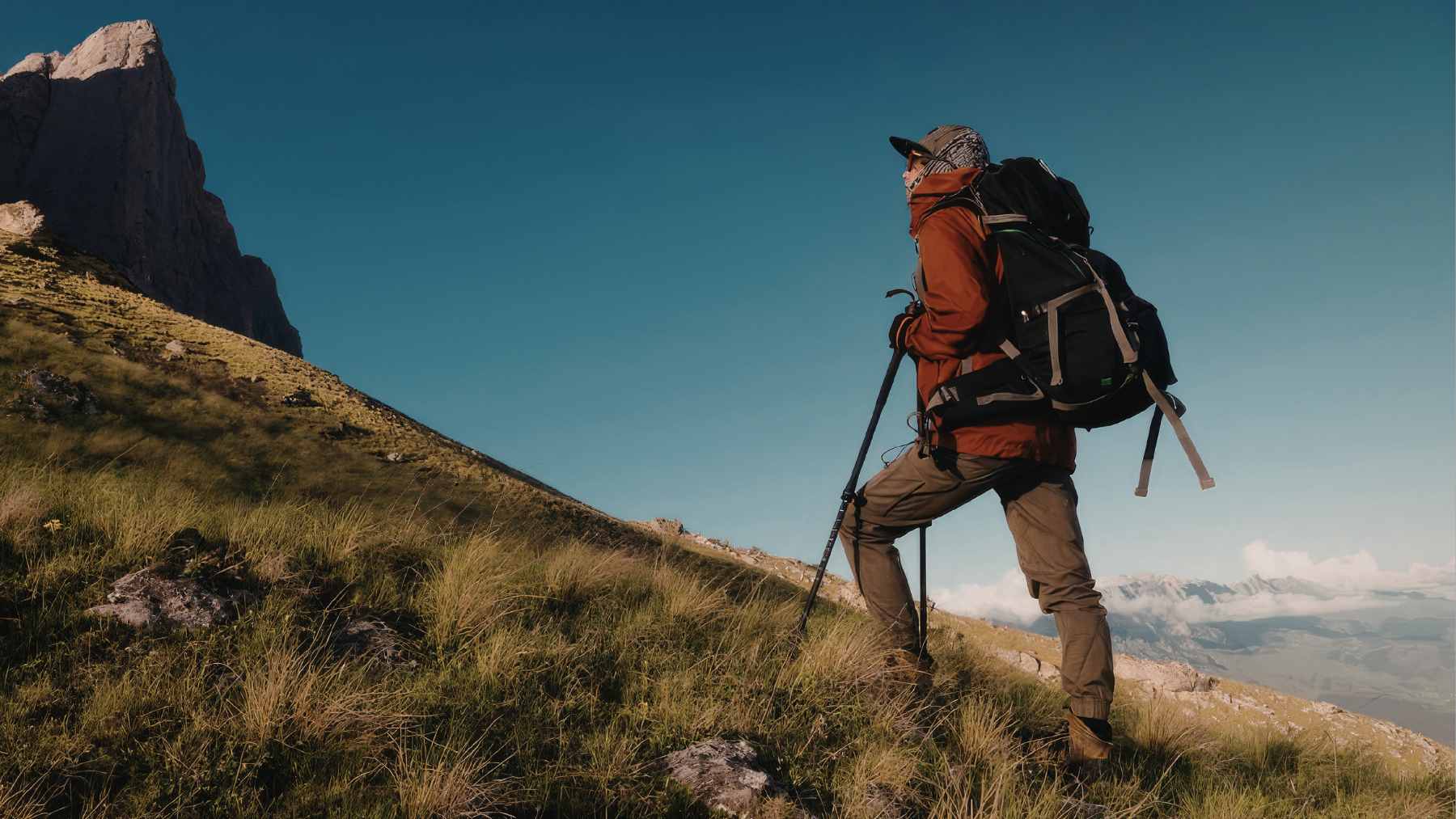
A field survey in Rocky Mountain National Park suggests a lot of us are walking into high country with more confidence than equipment. By the researchers’ definition, only 16% of day hikers and 25% of trail runners were actually “wilderness prepared,” even though nearly everyone said they were ready.
That gap matters for more than bruised egos. When people get lost, sick, or caught above treeline in lightning, search and rescue teams mobilize in a landscape where a “shortcut” can scar alpine tundra for generations and where the tech industry is racing to sell connectivity that reaches beyond cell towers.
So what happens when the clouds roll in and your phone has no bars?
A reality check from Rocky Mountain National Park
Researchers from Boston University surveyed 586 day hikers and 68 trail runners as they came off the trails in summer 2024. Rocky Mountain is a huge, high-altitude park, and the study notes elevations from about 7,600 feet to 14,259 feet, so even a day trip can turn serious fast.
To keep things measurable, the team judged preparedness mostly by what people carried. Participants counted as “wilderness prepared” only if they had at least 1 liter of water, at least 7 of 13 essential items, a map or equivalent, and either two rescue devices or a strong set of first-aid supplies.
The results were uncomfortable. Nearly 88% of both groups rated themselves as “adequately prepared” or better, yet only 15.7% of hikers and 25% of runners met the study’s preparedness bar, and trail runners were far more likely to report going “significantly off trail” (26.9% versus 3.3%).
Less than half met the study’s “altitude prepared” definition, and the researchers note that about a quarter did not tell anyone their plans for the day.
Nature does not forgive shortcuts
That off-trail number is not just a navigation problem. The National Park Service warns that repeated footsteps can destroy tundra plants and that recovery “may take hundreds of years,” which is why the agency pushes visitors to stay on designated trails.
Weather adds another twist, especially above the treeline. Park materials note that afternoon rain and lightning storms are common in summer, and the park’s lightning guidance says that if thunder is audible, you’re within striking distance and should get below treeline and shelter in lower terrain.
Direct-to-device satellites are changing the tech stack
Here’s the tech headline that makes the wilderness study feel even more current: Amazon said it will acquire satellite operator Globalstar in an $11.57-billion deal, a move designed to boost direct-to-device connectivity that can reach mobile phones in places with limited cell coverage.
Clearly, that kind of link can be a lifeline if you need to message for help, share a location, or keep a rescue call from turning into a multi-day search. But the study suggests a hard truth about human behavior, because nearly all groups carried a cell phone while only “just over half” carried a map during their hike or run, and that assumes the phone stays powered and usable.
It’s also not just a consumer story anymore. Reuters notes that satellite connectivity now reaches far beyond rural households and includes aviation, maritime communications, military use, emergency messaging, and direct-to-mobile services, which is why the sector is attracting serious money.
The hidden economics of rescue work
Rocky Mountain’s rescue workload is not hypothetical. The study cites prior reporting that the park averaged 229 rescue operations per year between 2009 and 2011, and day hikers made up the majority, which lines up with the idea that “easy” outings still generate emergencies.
In Colorado, backcountry search and rescue is generally free to the person being rescued, but “free” does not mean cheap.
The Colorado Search and Rescue Association says most teams are volunteer-run nonprofits funded through donations, grants, and government support, and it notes that the Colorado National Guard performs a large number of rescues as training and only responds when certain criteria are met.
What to do before your next trailhead selfie
Start with the basics, because they still do most of the work. The National Park Service’s “Ten Essentials” framework is meant to cover common surprises like sudden weather changes or unexpected delays, and the Rocky Mountain study adds a simple reminder that water, navigation, communication, and first aid are a package deal.
Then plan like the mountains are going to change their mind, because they often do. In the park’s own lightning guidance, the message is simple, because if thunder is audible, it’s time to move toward safer terrain instead of pushing deeper into the high country.
Finally, remember that staying found is also a form of conservation. Staying on trail protects tundra that may take centuries to recover, and telling someone your route and return time is still one of the simplest ways to keep a bad situation from turning into a search. Small choices add up.
The study was published on Wilderness & Environmental Medicine.