A dramatic U.S. rescue mission deep inside Iran has been framed as a story of speed, secrecy, and survival. But it also left behind wrecked aircraft at a rural strip, a reminder that modern military operations can create an environmental footprint in places that never asked to host a war story.
The big takeaway is not just tactical. It is that the same logistics that make a rescue possible also shape the cleanup, the carbon output, and the political pressure that follows, especially as the Pentagon itself tracks emissions and climate risk more closely than it did a decade ago.
What happened on the ground
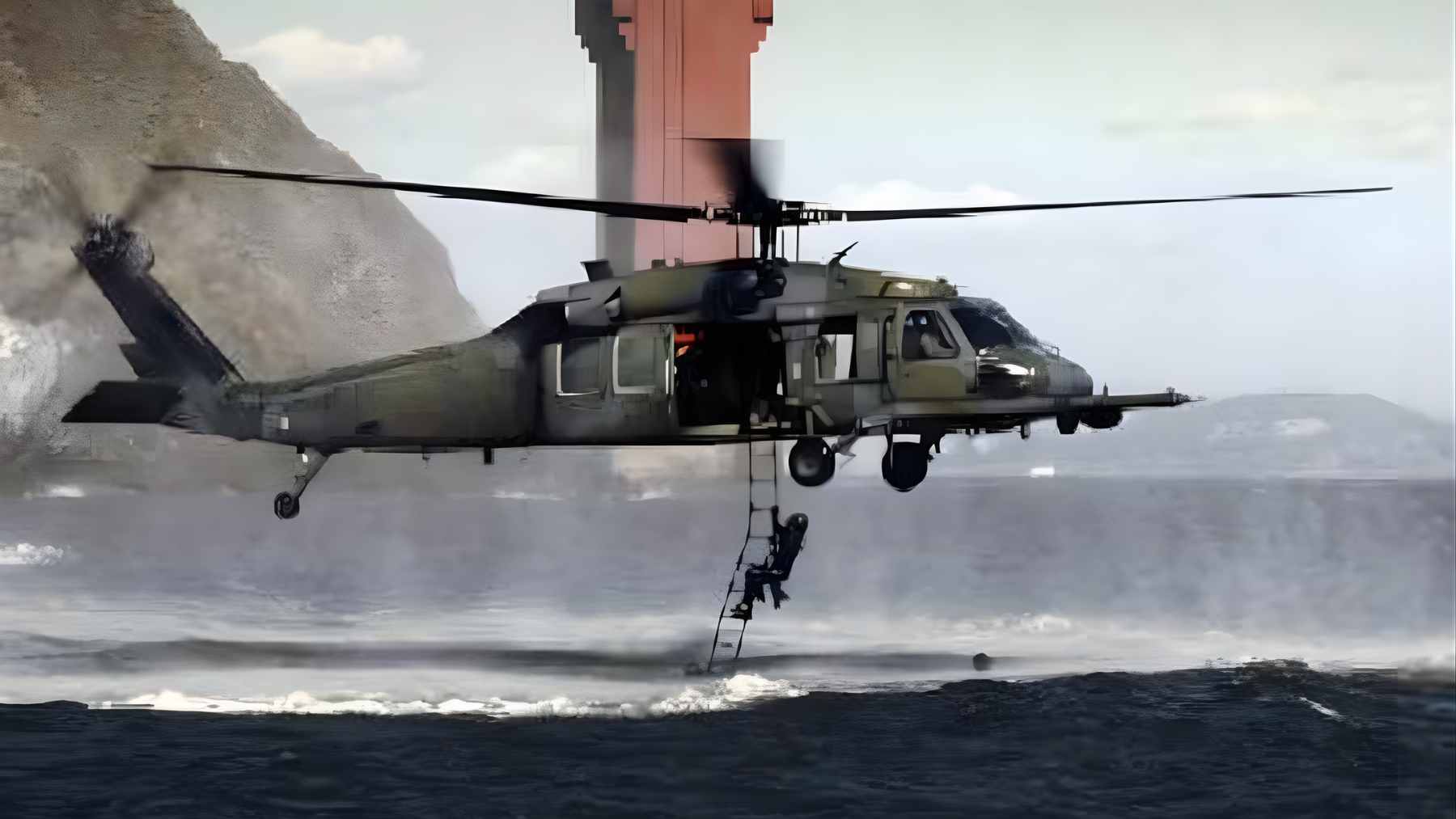
Reporting from major outlets says an F-15E Strike Eagle went down over Iran, leaving two U.S. aircrew members separated in hostile terrain. The recovery unfolded over two days, with the second crew member extracted after hiding in the mountains while Iranian forces searched.
The scale was enormous for what many people picture as a “simple” rescue. One U.S. account described 155 aircraft involved across the operation, from fighters and tankers to specialized rescue platforms.
Then came the part that rarely makes it into recruiting posters: multiple reports say U.S. forces destroyed their own aircraft and helicopters on the ground after at least one transport aircraft became unable to depart from the improvised site, with Iran separately claiming its forces downed aircraft during the mission.
Why the Little Bird is built for missions like this
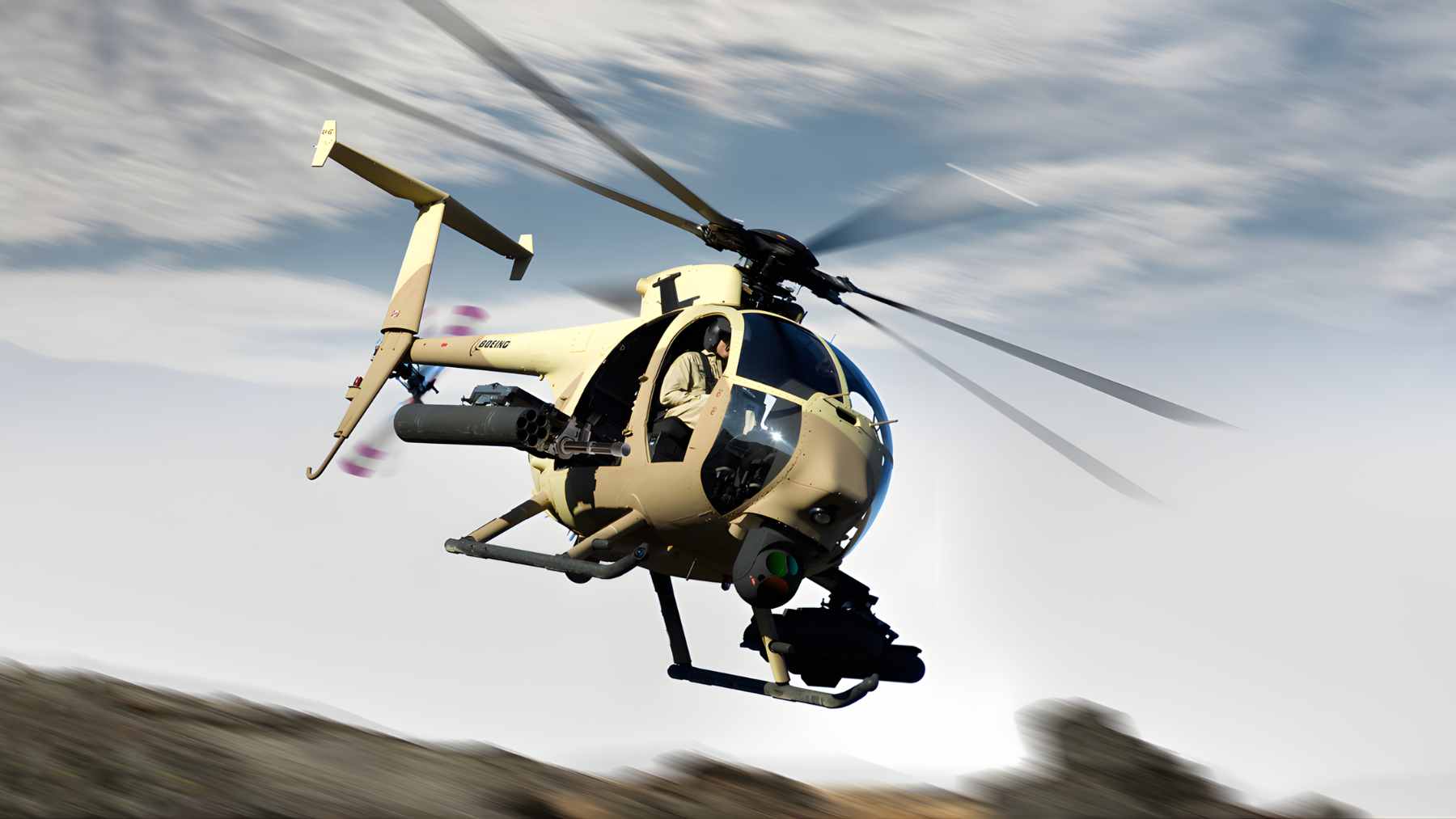
The small MH-6 and AH-6 “Little Bird” family has a reputation for slipping into tight landing zones where bigger helicopters cannot. In this case, detailed reporting tied the helicopters to the final extraction phase, with the aircraft designed for rapid delivery and quick turnarounds alongside special operations forces.
Boeing highlights a key design idea that matters in real-world logistics. It says ground crews can shift the AH-6 from transport to flight configuration “in minutes,” including a blade-fold capability meant for fast deployment and recovery.
Specs also show why commanders keep this platform in the toolbox. Military.com lists the MH-6 with capacity up to six passengers, a maximum speed of 152 knots, and a range of 232 nautical miles, which fits the short, sharp mission profile of insertion and extraction.
Destroying aircraft has a real local footprint
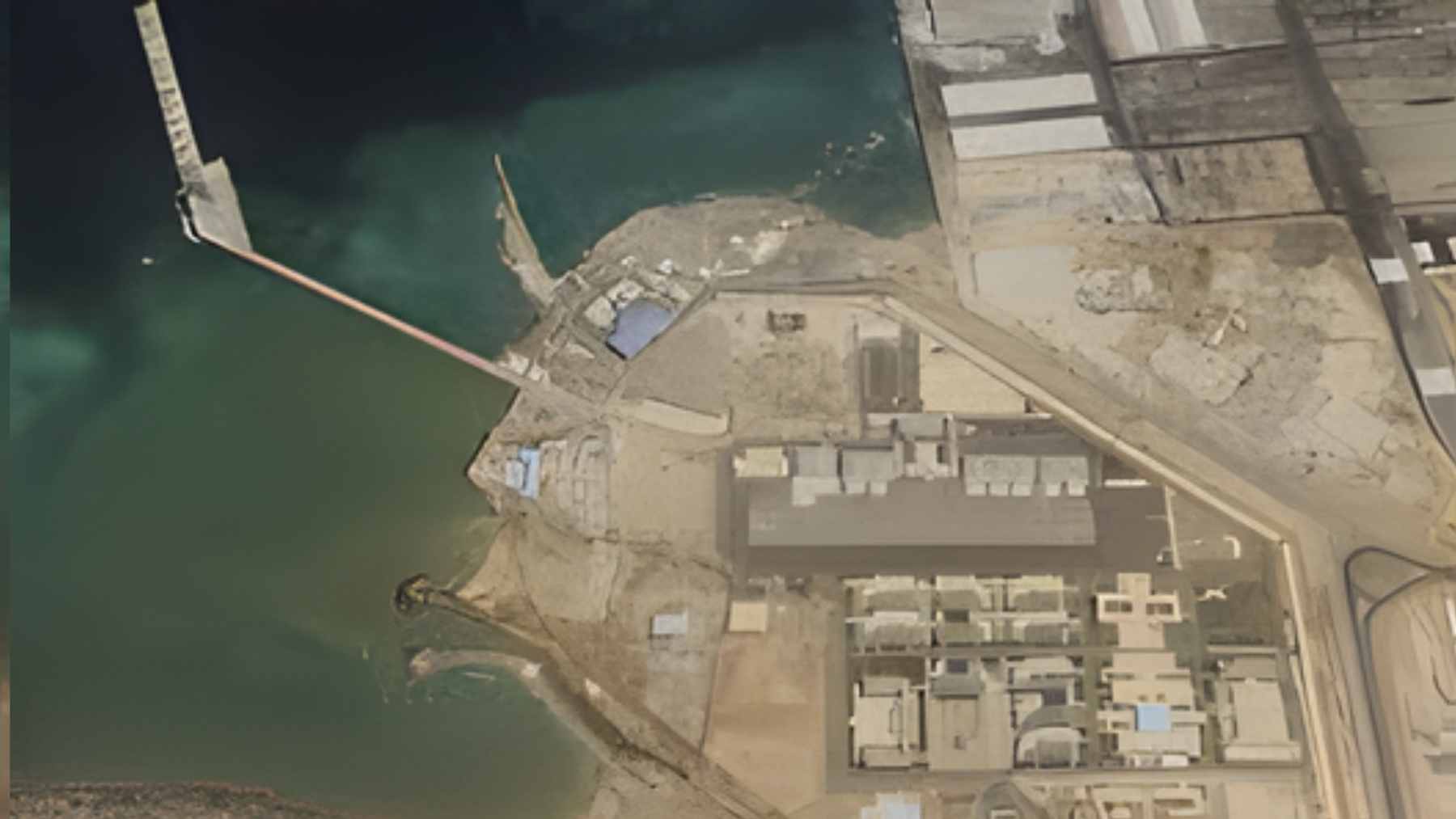
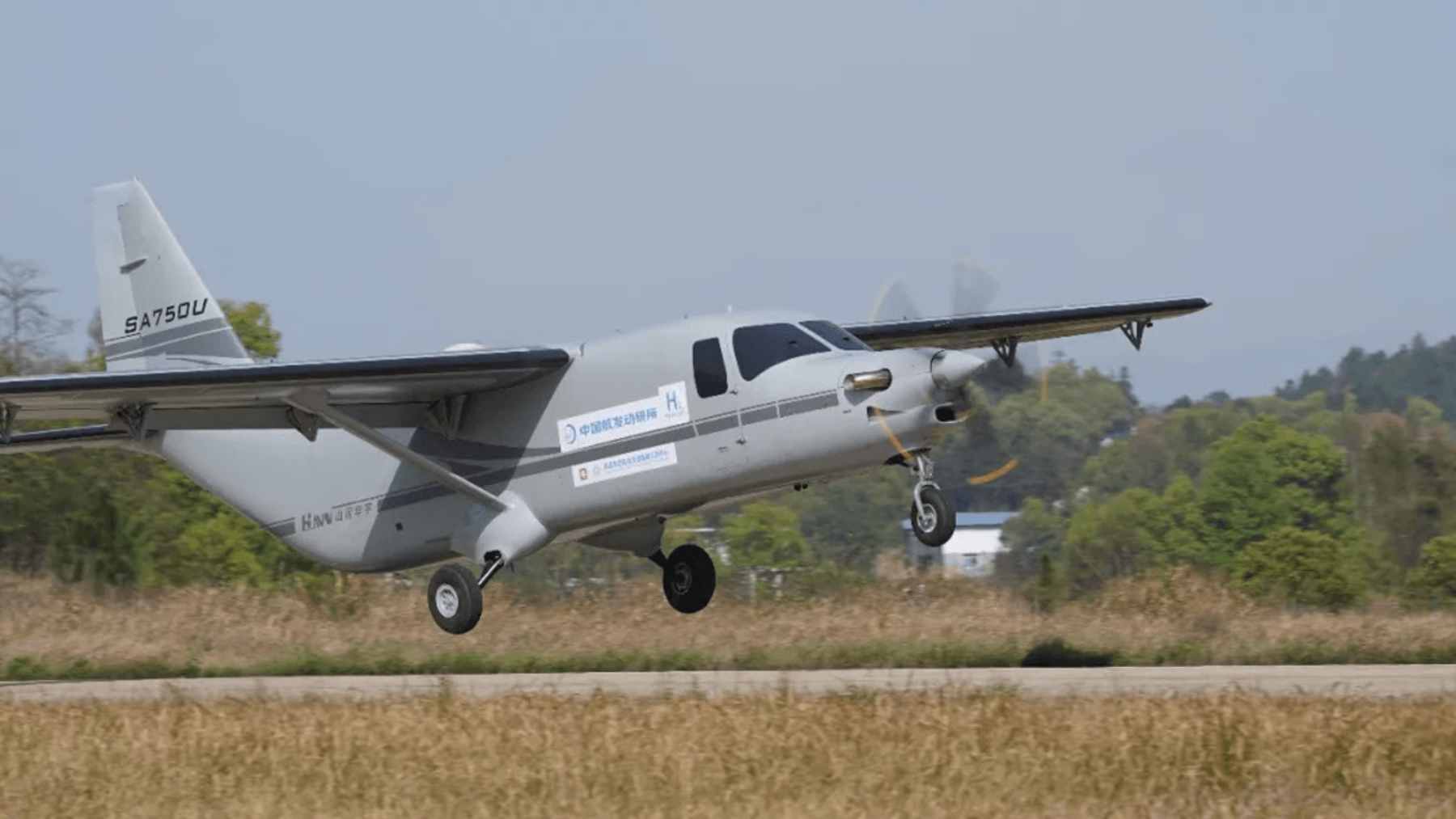
One of the most striking details is where the wreckage ended up. The Guardian described debris being cleared from a rural airstrip typically used for crop dusting near a farming village in Isfahan province, which puts the environmental question right in the middle of everyday life.
When aircraft are destroyed on site, the potential impacts go beyond the headline. Even without public technical details on fuels, fluids, or remediation in this specific case, aviation wreckage can mean scorched ground, scattered materials, and a messy recovery process that local communities see long after global attention moves on.
And the footprint is not only local. A mission involving dozens or even hundreds of aircraft is also a fuel story, even if exact burn rates stay classified, and anyone who has watched gas prices climb knows fuel is never just a line item on paper.
The Pentagon is tracking emissions and climate risk
The Department of Defense has already put hard numbers on its emissions profile. In its greenhouse gas plan, DoD reported 56 million tons of CO2 equivalent for Scope 1 and Scope 2 emissions in fiscal year 2021, and it said jet fuel combustion accounted for 80% of operational emissions and 50% of total DoD emissions in that accounting.
Independent research has pushed the conversation even further, arguing the U.S. military is a major institutional consumer of petroleum and that war and preparation for war are fossil fuel-intensive activities.

That work is debated in policy circles, but it has helped normalize a question that used to sound fringe, namely how to measure the “carbon bootprint” of security decisions.
DoD’s official climate adaptation planning also treats the environment as a readiness issue, not a side project. The 2024 to 2027 DoD Climate Adaptation Plan frames resilience as central to operations, especially as extreme weather and infrastructure stress become harder to ignore.
Where tech and business may head next
The uncomfortable truth is that rescues will always prioritize speed and lives. But defense technology choices can still change the size of the logistics tail, and that affects emissions, costs, and risk exposure when something goes wrong at a remote landing site.
DoD’s greenhouse gas plan makes the argument in its own way, saying efficiency and clean, distributed power can strengthen resilience against disruptions, including extreme weather and cyber attacks.
It also notes that improving efficiency of combat platforms and operations can increase reach and endurance in contested logistics environments, which is a military benefit that overlaps with energy reality.
Business is pulled into this whether contractors like it or not. The same DoD plan points to pressure building around emissions disclosure in federal procurement, including discussion of Scope 3 emissions tied to supply chains, which is where a lot of defense industry climate accounting gets complicated fast.
The official plan was published on Sustainability.gov.