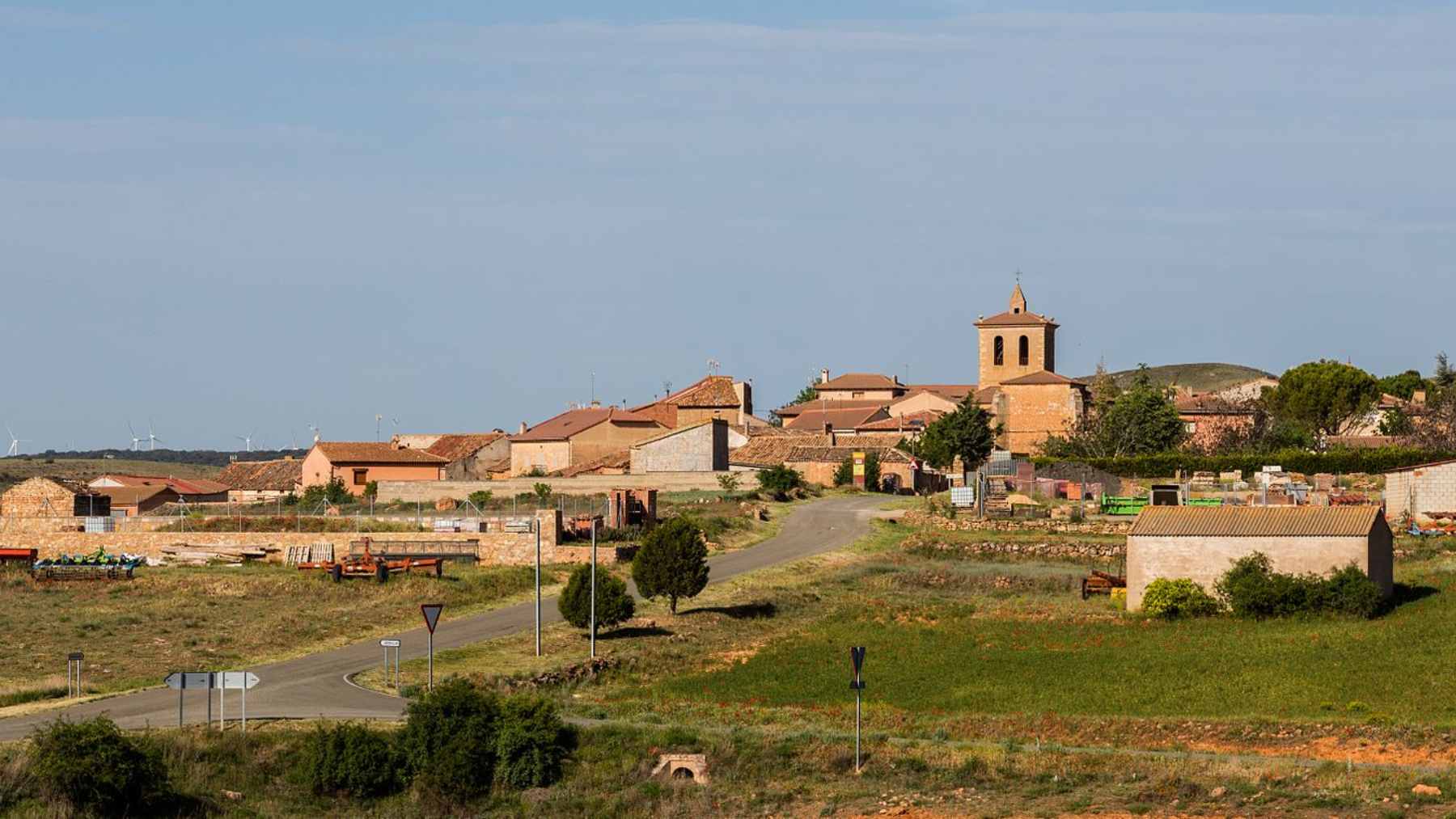
In Arenillas, a small mountain town in Spain’s Soria province, the local council is trying to keep the lights on and the streets lived in. The promise is unusually direct–housing at no cost, solid internet for telework, and jobs tied to running the town’s basic services.
It sounds like a simple “move here” campaign, but it is also a window into a bigger environmental shift. Across Europe, empty rural spaces are being rebranded as lower-carbon living, wildfire buffers, and even research sites, as long as the tech and the services hold up.
Arenillas makes a hard sell sound easy
Spanish coverage says Arenillas has around 40 residents and recently promoted a free, fully equipped municipal home to attract new neighbors, with a clear preference for families with children. Other reports note that schooling is handled in nearby Berlanga de Duero, around 12 miles away.
The offer also pointed to local vacancies such as running the village bar or taking on building maintenance work, jobs that can sound small but keep a community functional.
On April 8, Cadena SER reported that mayor Sonia Tobaruela said the town received “between 7,000 and 8,000” requests from multiple countries after the announcement went viral, and applications were closed once a family was selected. If you have ever tried to get a decent apartment in a big city, that number is almost surreal.
Ecology shows up in the fine print
Depopulation is not only about schools and jobs. The European Environment Agency warns that climate change, urban expansion, and land abandonment are increasing fire-prone conditions, especially where homes meet unmanaged vegetation, and it estimates that wildland urban interface covers 7.4% of land surface in the EEA33.
That is why “people on the land” can be an environmental story, for better or worse. Active maintenance can mean cleared paths, repaired roofs, and eyes on smoke in the distance, but it can also mean more cars, more heating, and more pressure on local water and waste systems if growth is unmanaged.
The same village that looks like a climate solution can turn into a stress test.
Broadband is the new rural infrastructure
Arenillas is betting that connectivity can replace the old pull of factories and highways. The European Commission’s Digital Decade ambition is clear, gigabit networks for all households and 5G coverage for all populated areas by 2030, so remote work is increasingly treated like a policy tool, not a perk.
But the gap between targets and lived reality is where small towns win or lose. A European analysis reported that as of 2023, 5G covered 89.3% of populated areas and gigabit connectivity reached 78.8% of households, with full coverage still a work in progress.
When storms knock out power, “fast internet” quickly becomes “no internet,” and that is when the electric bill and the backup plan suddenly matter.
Remote work does not automatically mean lower emissions
Working from home can cut commuting, yet it is not a guaranteed climate win. The International Energy Agency notes that for people who commute by car, working from home is likely to reduce CO2 emissions if the trip is longer than about 6 kilometers (3.7 miles), while short car commutes or public transport commutes can increase emissions because home energy use rises.
The European Environment Agency adds another reality check. It points to studies estimating teleworking’s direct impact as relatively small overall, roughly a 4% to 7% decrease in countries’ external environmental costs of passenger transport, with outcomes shaped by heating, cooling, and travel habits.
In mountain villages, winter heating can be the deal breaker if homes are inefficient.
Climate resilience is also a defense conversation
Climate change is increasingly treated as a security variable, not just an environmental one. NATO describes climate change as a “threat multiplier” that affects security, operations, and missions, in part because extreme weather can disrupt infrastructure and force emergency responses.
That is where rural connectivity and livable communities take on a dual use role. Reliable communications, staffed local facilities, and passable roads help during wildfires, storms, and evacuations, and they also reduce fragility when a region is under stress.
Arenillas is not a military story on its own, but its pitch is built on the same basics that resilience planners talk about.
The Alps are turning into connected laboratories
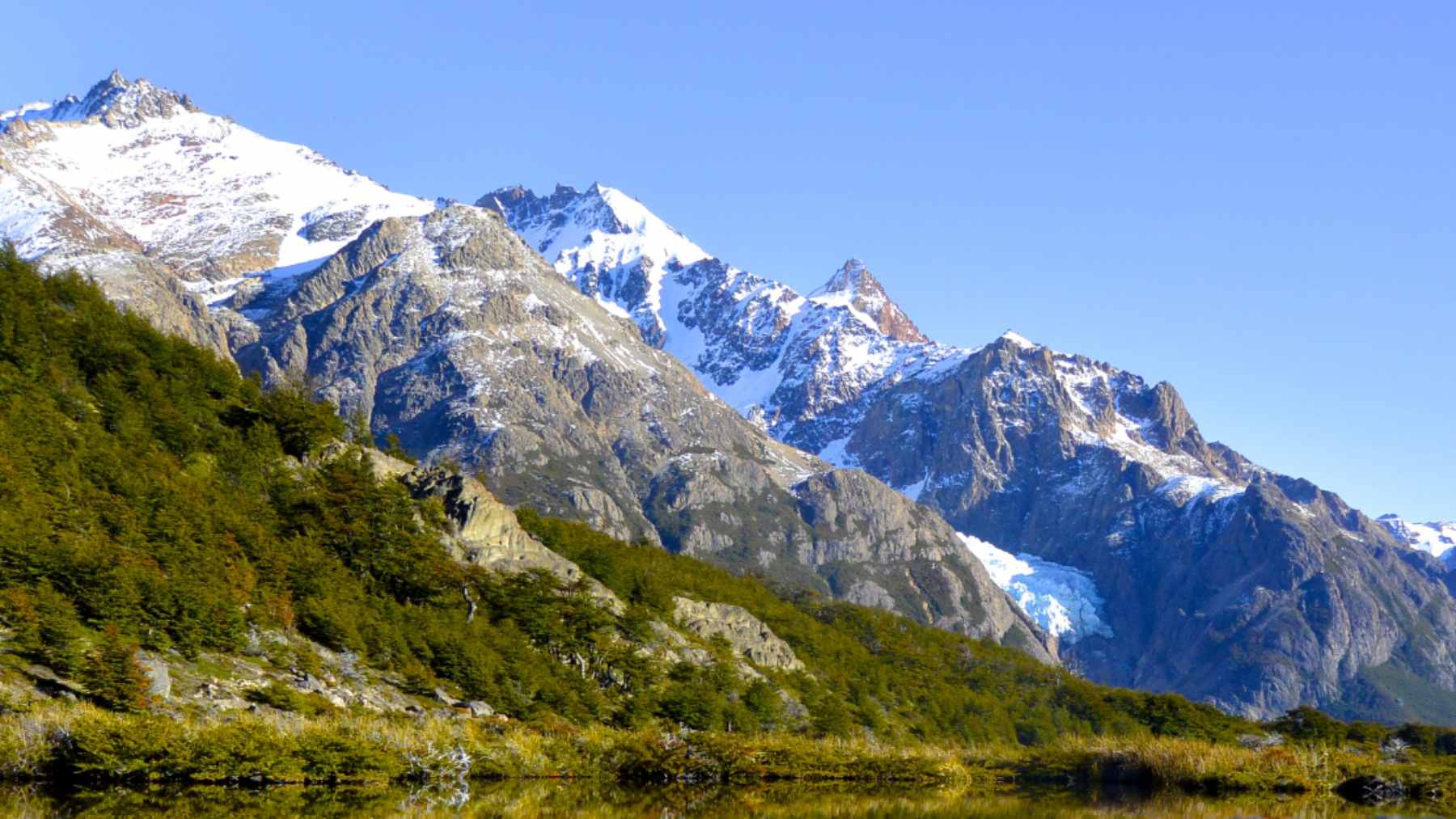
The mountain comeback is not limited to Spain. Eurac Research in South Tyrol has been recruiting volunteers for its MAHE project, which studies how healthy adults respond to a multi-week stay at moderate altitude, and its 2026 call described a baseline week at low altitude in Silandro, four weeks at about 2,300 meters in a mountain hut, and follow-up lab visits in Bolzano.
Eurac says participants can spend free time “working remotely” or studying outside scheduled measurements, with accommodation and food provided plus a €400 ($470) reimbursement, and the same page now labels the study as “SOLD OUT.”
Put Arenillas next to MAHE and a pattern emerges, mountains are being marketed as places to live, work, and gather data, not just places to visit.
The press release was published on Eurac Research.