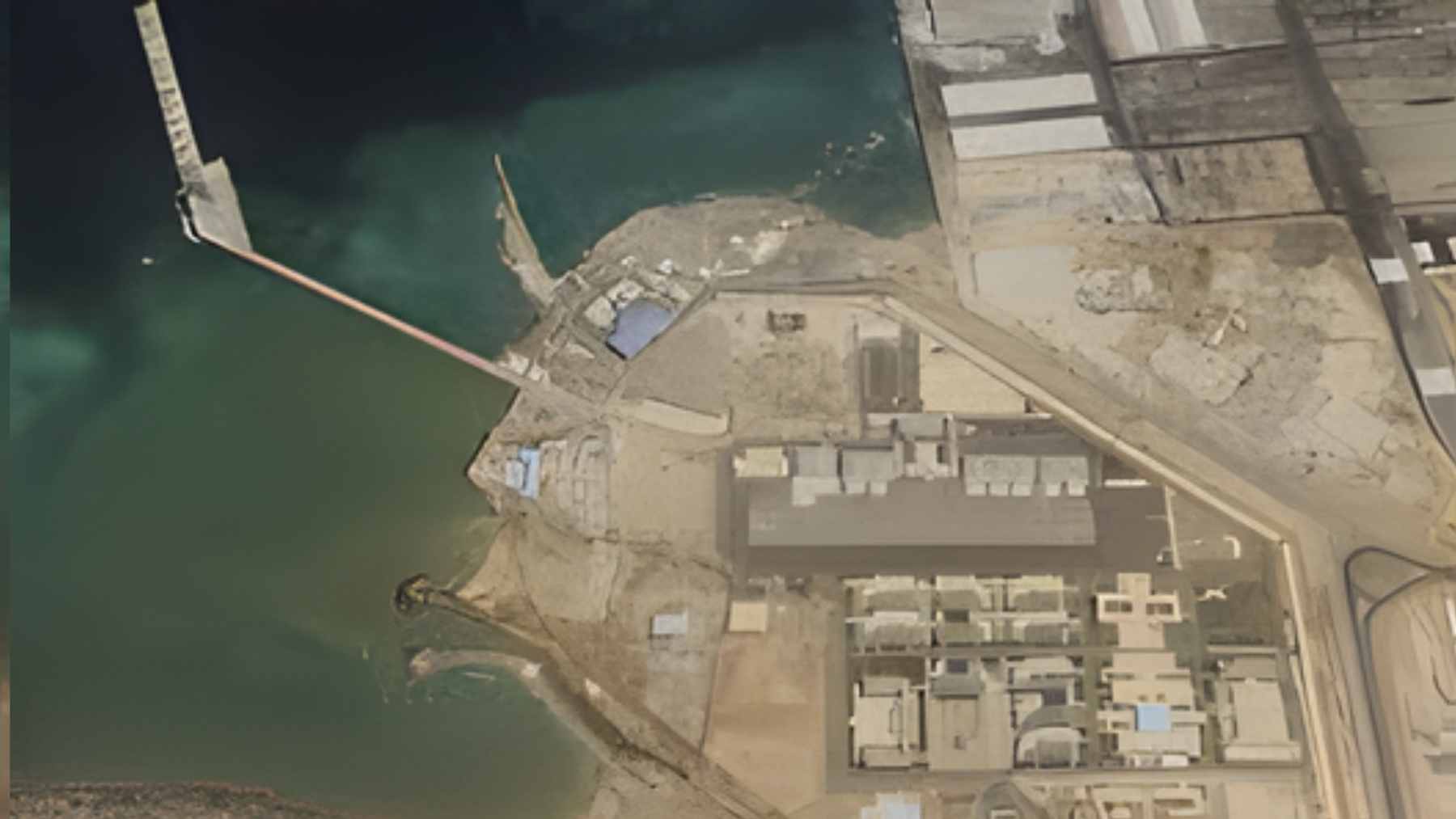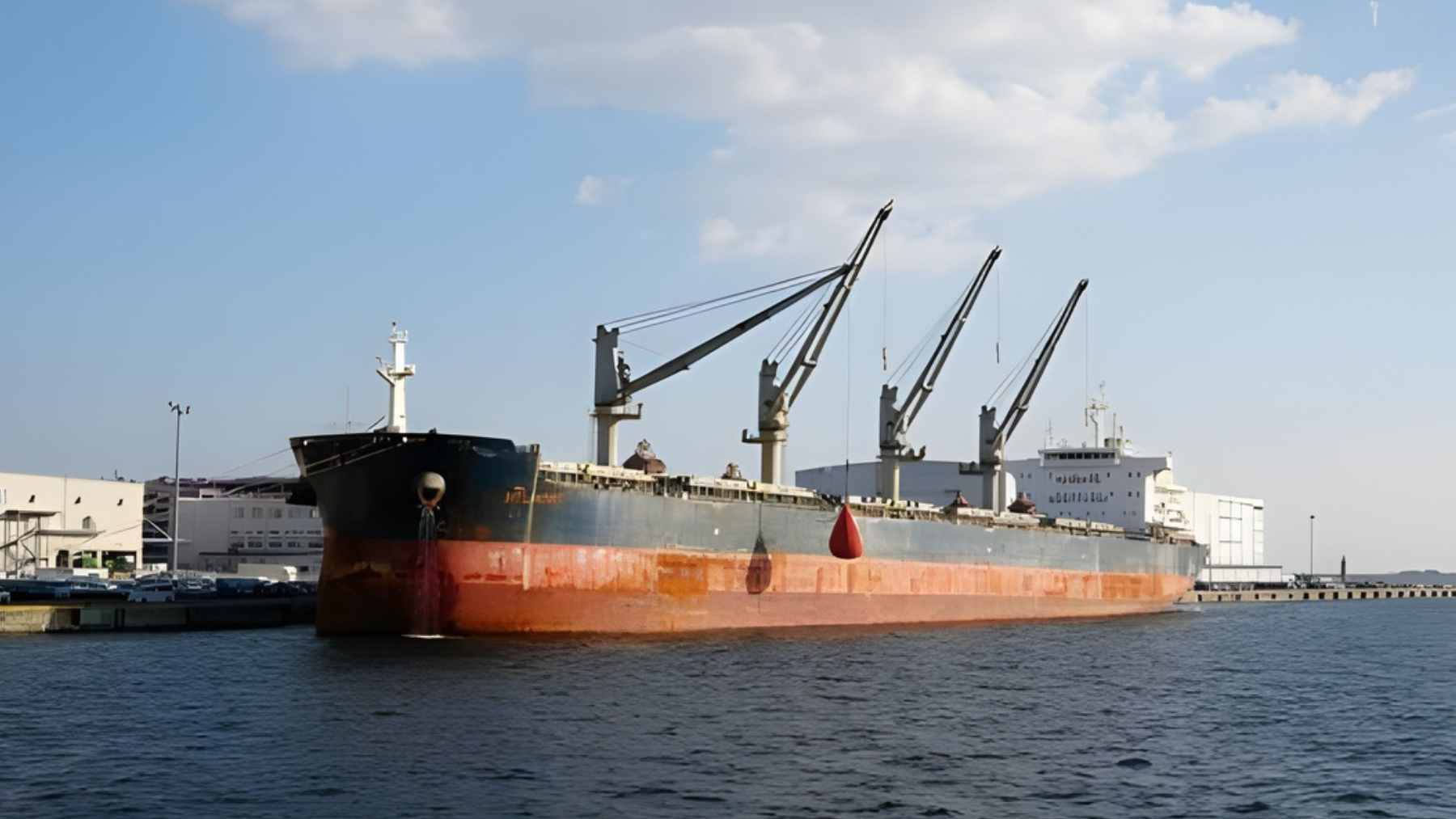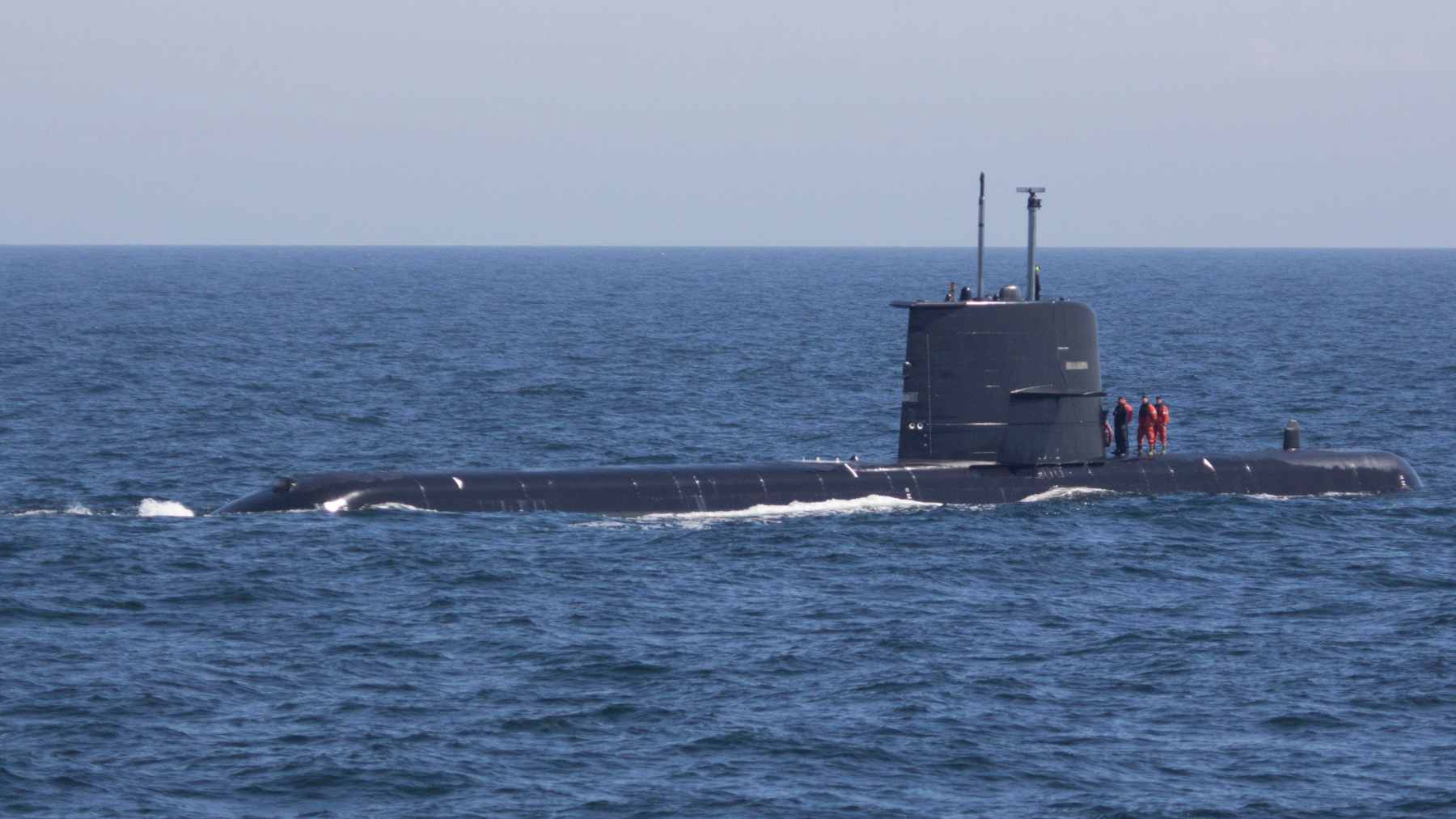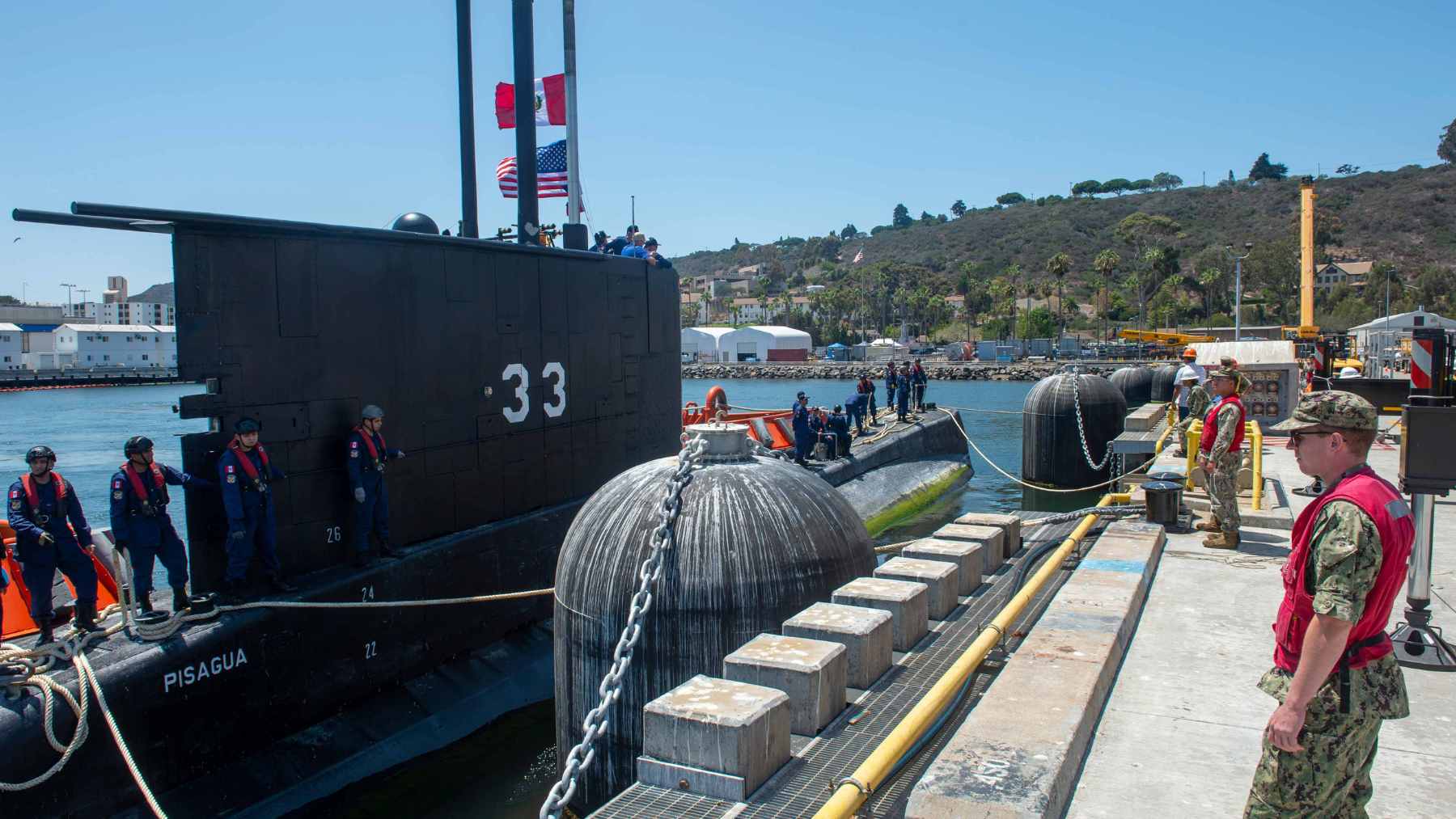
What happens when a $1.5 billion defense project lands in the middle of a busy commercial port? In Peru, that question is no longer hypothetical. The U.S. State Department has cleared a possible foreign military sale for design and construction work at the Callao Naval Base, with the Defense Security Cooperation Agency notifying Congress of the deal.
On paper, it is a military and defense story about logistics, docks, and regional partnerships. In reality, it is also an ecology story about dredging, air pollution, and the way ports shape coastal water quality and the neighborhoods that sit downwind.
If Peru and the United States build this expansion with modern emissions controls and strong oversight, Callao could become a case study in how to grow maritime capacity without letting the environmental bill spiral.
What the Callao deal covers
According to DSCA, the package is valued at an estimated $1.5 billion and includes lifecycle design, construction, engineering studies, surveys, planning, contract administration, and construction management support.
DSCA said the project aims to improve port infrastructure for current and future naval and logistical operations, while reducing civilian military interactions at the existing facility.
The plan is notable for its scale and duration. DSCA said implementation could require up to 20 U.S. government or contractor representatives in Peru for as long as ten years, which is a reminder that this is a long infrastructure program, not a quick build.
Peru has also authorized a sovereign bond operation of up to about S/ 4.287 billion ($1.25 billion) to help finance Phase II of the new naval base infrastructure, under a recently published decree.
Why ports matter for emissions and ecosystems
Ports concentrate some of the most polluting equipment in the modern economy, from truck queues to cargo handling machinery to ships running auxiliary engines at berth. The shore power push is one of the most practical fixes on the table, since it can let vessels plug into the local electricity grid instead of burning diesel while docked.
That kind of change can feel boring until you picture it in everyday terms, like turning off a loud engine that has been idling outside your window for hours.
Callao sits on a coastline where water quality and fisheries matter for livelihoods, and large construction can stir up sediment, noise, and habitat disturbance. The UN Environment Programme has warned that dredging and seabed extraction can stress biodiversity through turbidity and noise impacts, especially when oversight is weak.
It is the kind of impact that does not show up on a ribbon cutting day, but it can linger.
Technology could reduce the footprint if it is built in early
There are still reasons to be hopeful. Electrified cargo equipment, cleaner drayage trucks, and shore power are not science fiction anymore, and they often pay back by reducing fuel burn. The EPA’s national port strategy work has long argued that targeted upgrades can cut both local air toxics and greenhouse gases.
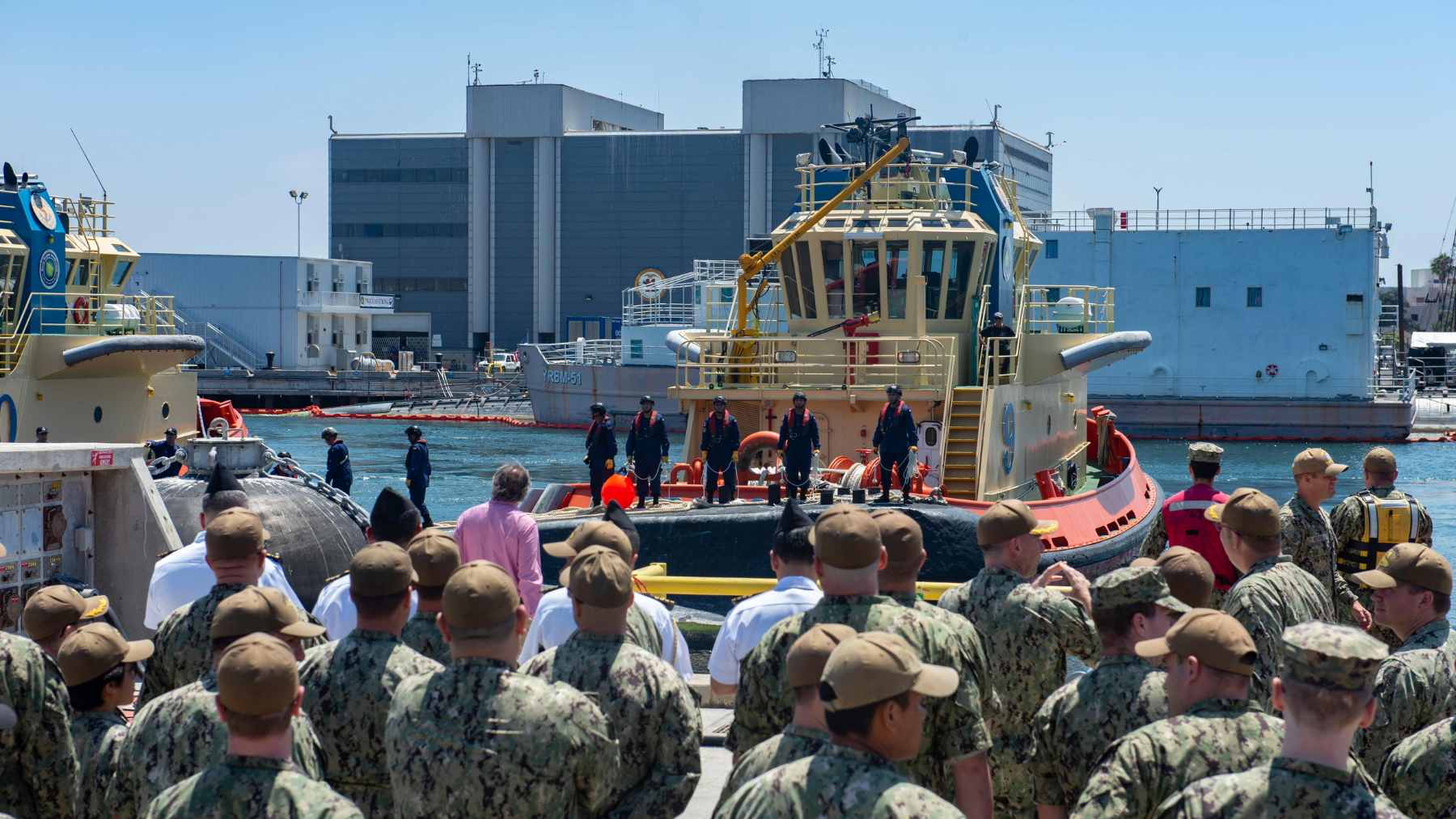
On the defense side, energy resilience tools like microgrids can limit the need for diesel generators during outages, and they can keep critical base services running when the heat hits and everyone runs the AC.
Navy work on microgrids and resilient power systems shows how these projects can blend climate resilience with operational readiness. If Callao’s expansion bakes that thinking in from the start, it could avoid locking in decades of avoidable emissions.
The business incentive is strong but so is the oversight burden
For Peru, freeing commercial port space at Callao is a business win, especially as Pacific trade grows and larger ships demand modern berths. Competition can also speed things up, and that is when environmental safeguards can get tested in the real world, not in PowerPoint decks.
But bigger ports can mean more truck traffic, more warehouse buildout, and more pressure on nearby communities, unless rules and enforcement keep pace.
Peru’s environmental review system runs through Senace, which oversees impact assessments for large projects, and that process will matter as construction details become clearer. Who monitors water quality, noise, and dredging impacts, and how often will results be made public? That is the question residents will ask.
What readers should watch next
First, watch the design specs, not just the headline price tag. Shore power readiness, electrification plans, and dredging management details will tell you whether this is a 21st century port project or a 20th century one with fresh paint.
Second, track how Peru and the U.S. describe the project’s purpose in practice, not just in diplomacy language. If the base expansion mainly improves logistics and safety while leaving room for commercial modernization, it could reduce friction in a crowded harbor.
If it triggers an uncontrolled buildout race, the environmental costs could land on the same neighborhoods that already live with port pollution.
At the end of the day, this deal is not only about where ships dock. It is about whether coastal development can grow without making the air and water dirtier, and whether governments treat ecology as a core part of security.
The official decree, Decreto Supremo No. 057-2026-EF, was published on El Peruano.