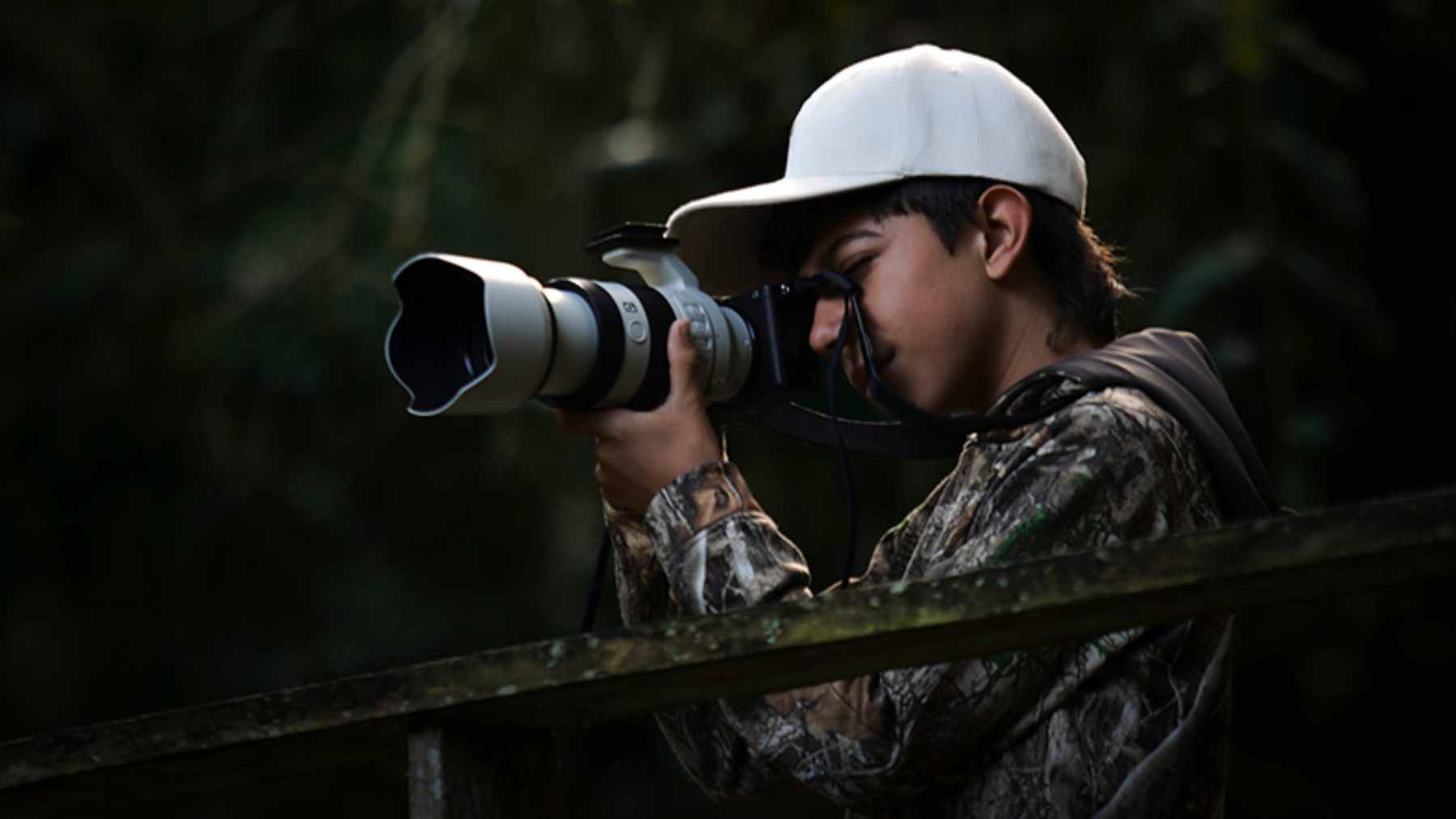
In Colombia’s Quindío department, a 14-year-old birdwatcher is turning conservation into something you can actually put on the table. Andrés Felipe Navarro, known online as “Pipe Corre y Vuela,” created a board game called “Volando por los Andes” to help kids and adults recognize local birds and the threats they face.
Could a board game explain why birds have become a business and defense issue? Birds are being killed at huge scale by buildings and other infrastructure, and the ripple effects reach business budgets and even military flight planning.
A 2024 PLOS ONE paper argues that collision mortality estimates likely “far exceed one billion birds” in the U.S. each year, while the FAA projects hundreds of millions of dollars in annual losses from wildlife strikes to civil aircraft.
A board game built for rural schools
Navarro told Caracol Radio that he got hooked after watching a classmate identify birds by their songs, and he has now seen more than 500 species, getting close to 600. That kind of “listen and know” skill is rare at any age, and it’s the spark behind his push to teach others.
In “Volando por los Andes,” players pick a bird instead of a pawn, including species like the Andean condor and the torrent duck. The game bakes in hazards birds face every day, from window strikes to the capture of wild birds for cages, and Navarro says birds should remind us of “the value of freedom.”
There’s also a clear business plan behind the feel-good headline. Navarro sells the game for 60,000 Colombian pesos and says the goal is not to “get rich,” but to fund visits to rural schools where access to devices can be limited. He even chose a board game over a video game because he wants kids to step away from the phone and learn together for a while.
Glass is a quiet killer
One of the “bad luck” moments in Navarro’s game is a bird slamming into a window after mistaking reflections for habitat. In the interview, he said “80%” of birds that collide with glass die, and while exact rates vary by study and setting, official guidance still warns that over half of collisions can be fatal.
The scale is what makes it alarming. Iowa’s Department of Natural Resources says window collisions can account for up to 1 billion bird deaths in North America each year, and it notes that small buildings and homes drive about 99% of these collisions.
Think of the glass door at the back of a house, or that shiny school corridor that mirrors the trees outside.
Then there’s the part most of us never see. The PLOS ONE rehabilitation study found evidence of delayed deaths after collisions and concluded that estimates based only on birds found dead likely undercount the true toll, which the authors say may far exceed one billion deaths a year in the United States. A bird that “flies off” can still be badly hurt.
From windows to runways
Bird collisions are not only a conservation problem. In its wildlife strike report covering 1990 through 2024, the FAA projected that wildlife strikes in 2024 resulted in 74,268 hours of aircraft downtime and $473 million in direct and other monetary losses for U.S. civil aviation.
That can translate into delays, repairs, and cascading costs that eventually show up in ticket prices and shipping fees. The FAA also notes that its National Wildlife Strike Database supports programs meant to reduce strike risk in ways that stay compliant with environmental laws such as the Migratory Bird Treaty Act.
For the military, the same physics come with higher stakes. The U.S. Air Force says its Bird and Wildlife Aircraft Strike Hazard program uses NEXRAD weather radar data to track bird movements and feed the Avian Hazard Advisory System, improving near real-time awareness for flight planning across large areas.
Tech, business, and what happens next
The encouraging part is that many fixes are boring, which is exactly why they work. All About Birds described how nearly 1,000 birds died in a single night in Chicago after hitting illuminated glass, then pointed to measures like turning off lights during migration and using exterior window films to reduce strikes.
If you’ve ever walked past an office building glowing after midnight, you’ve seen why “lights out” campaigns matter.
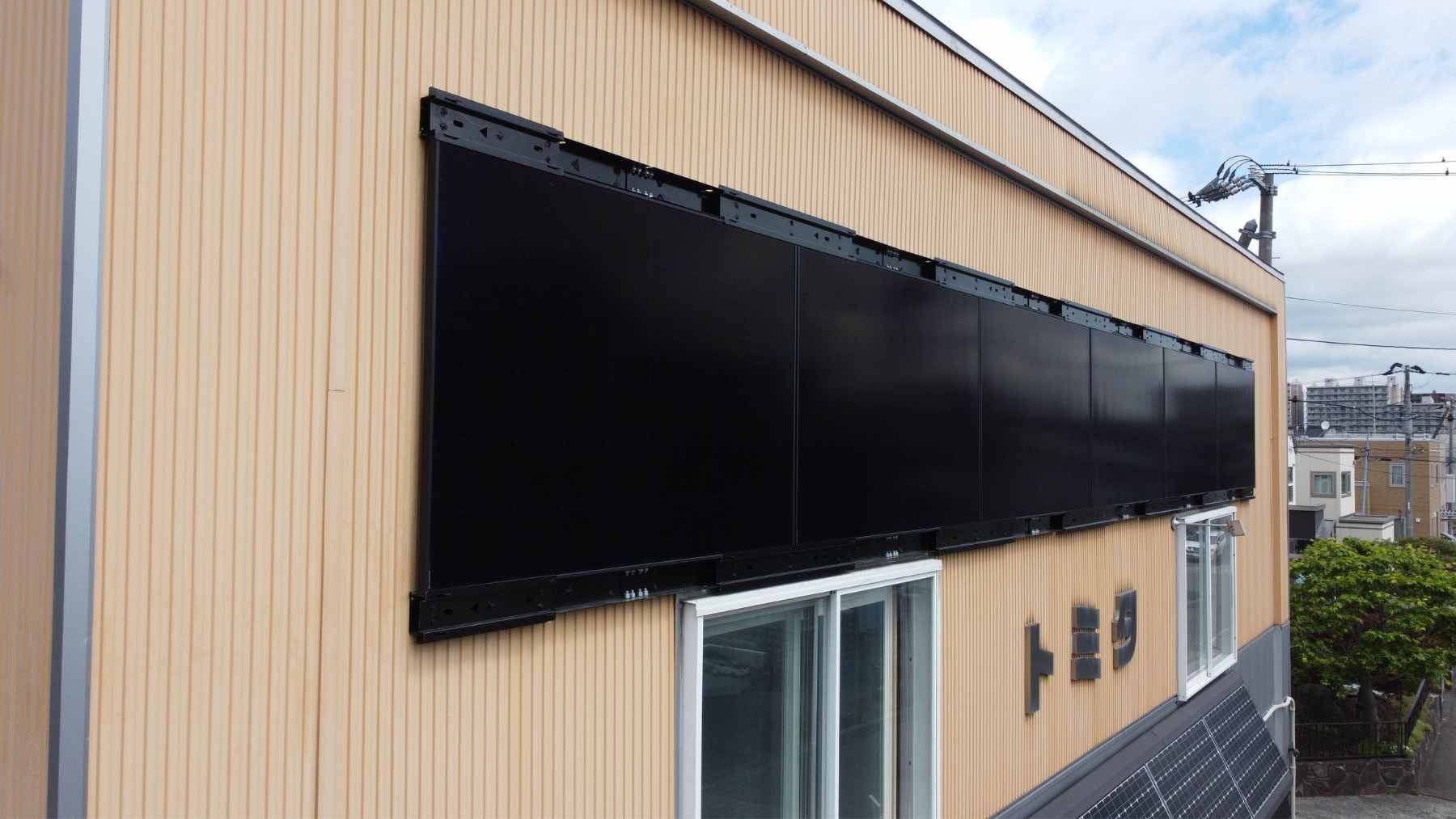
Iowa’s DNR lays out options that range from bird-safe glass to dense decals, cords, paint, or screens placed on the outside of windows so birds can actually see the barrier. It also notes that bird-safe design is most cost-effective when it’s included from the start, rather than retrofitted later.
Colombia, meanwhile, is sitting on an ecological treasure chest. Audubon notes that the country recorded a landmark 1,900 bird species and has nearly 20 percent of the world’s avian species, which feeds conservation work and bird-focused tourism.
Navarro’s board game is modest, but it pushes a practical message that threats are understandable and fixes can start with what kids learn in school and what adults change at home, a small move and a real one.
The official report was published on FAA.gov, and it provides the latest nationwide snapshot of wildlife strikes in U.S. civil aviation.