A volcanic crater on the Nevada and Oregon border is back in the spotlight for one simple reason. It may become one of the most important lithium hubs in the United States, right when automakers and utilities are scrambling for the metal used in EV batteries and grid storage.
The geology is impressive. The environmental tradeoffs are the harder part.
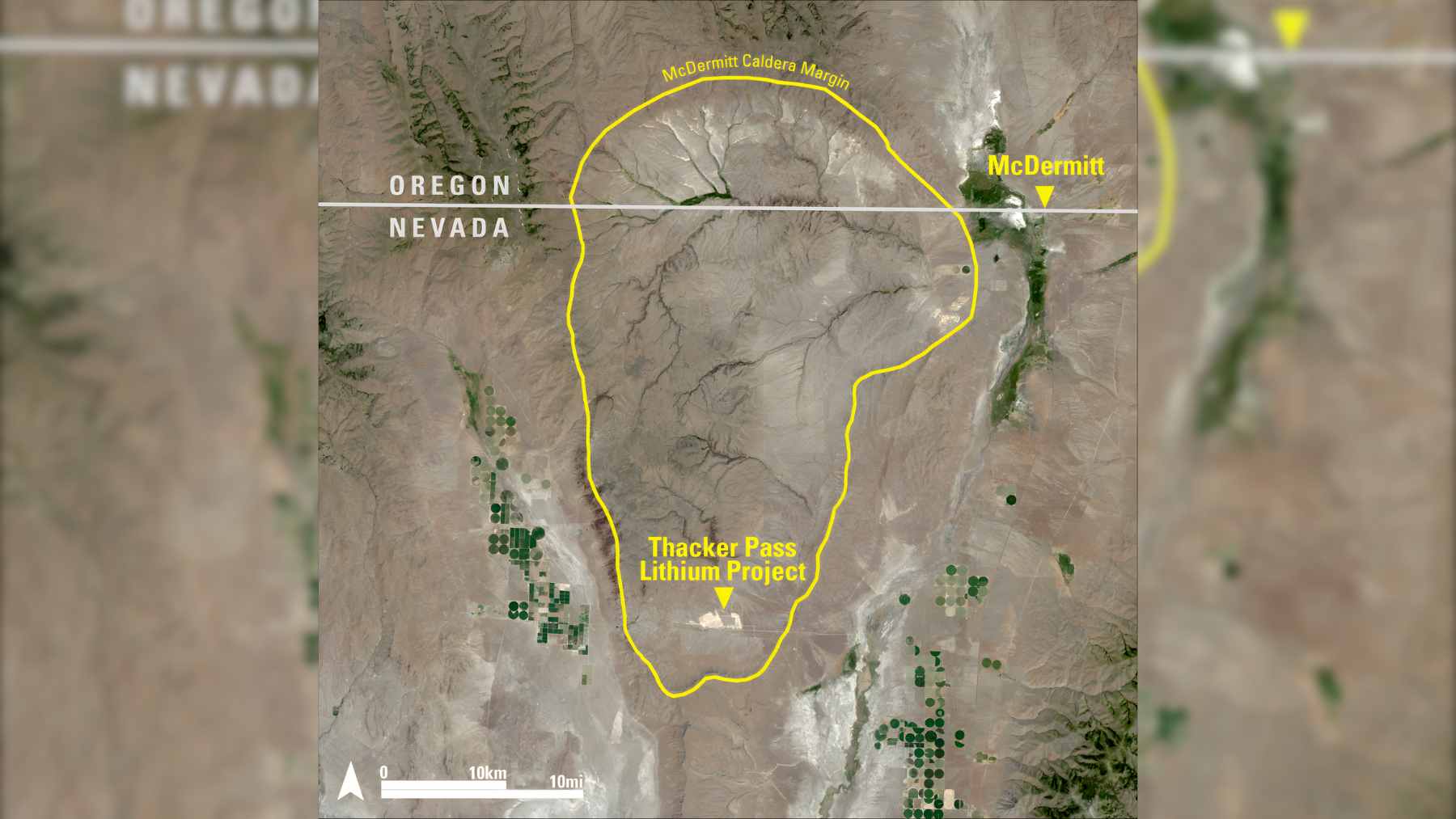
So what makes this deposit stand out? Scientists writing about the southern McDermitt caldera near Thacker Pass found that sediments in the area were transformed by post-volcanic hydrothermal fluids into exceptionally lithium-rich illite clay.
In situ measurements of that illite ranged from about 1.3 percent to 2.4 percent lithium, which is unusually high for this kind of claystone deposit.
The broader McDermitt system itself was born after a major eruption about 16.3 million years ago, then reshaped by a lake and long-lasting geothermal activity that helped concentrate lithium in the basin.
Why the deposit matters
In practical terms, this is about much more than rocks. The U.S. Department of Energy says Thacker Pass sits next to “the largest confirmed lithium resource in North America” and, once fully operational, is expected to produce about 40,000 tonnes a year of battery-grade lithium carbonate.
DOE says that could support batteries for up to 800,000 EVs annually, while also creating around 1,800 construction jobs and 360 operating jobs.
For a country trying to build a domestic battery supply chain, that is no small thing. It could shape factory plans, energy storage projects, and eventually the electric bill too.
But the environmental math is not simple
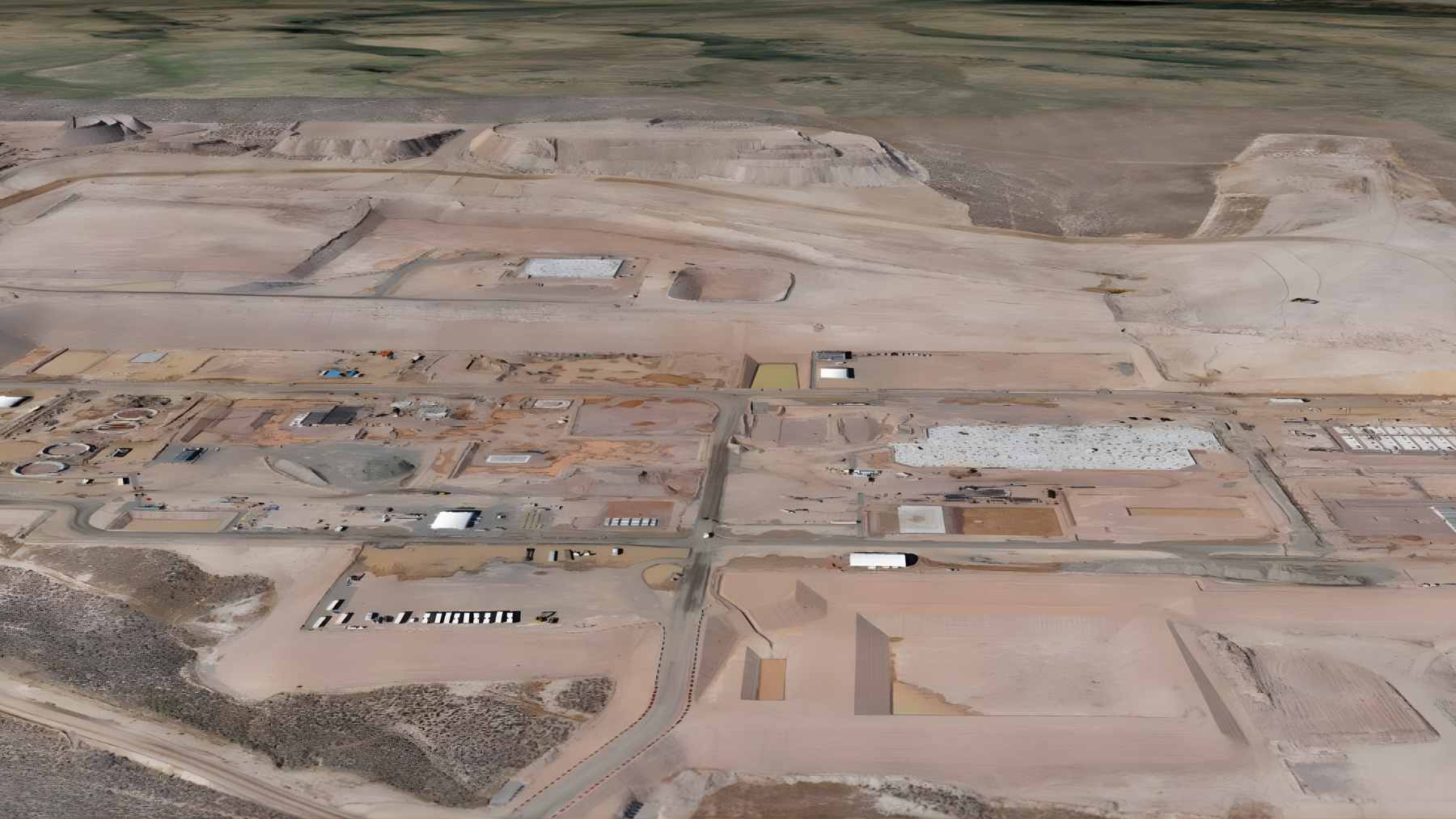
Here is the catch. DOE’s adopted environmental review says the project would involve an open-pit mine and related facilities with a total disturbance footprint of about 5,695 acres over a proposed 41-year mine life.
The same review says groundwater drawdown from the project could affect some nearby water rights, with mitigation that could include deepening wells or providing replacement water supplies.
Wildlife concerns are also part of the story. The U.S. Fish and Wildlife Service said in 2024 that the Kings River pyrg, a tiny springsnail known from 13 isolated springs in and around Thacker Pass, warranted a deeper review under the Endangered Species Act because potential threats include water diversion, drought, climate change, roads, grazing, and mining. Small species, big consequences.
At the end of the day, what this discovery really shows is that clean energy supply chains are not automatically clean where extraction begins. McDermitt could help the United States cut dependence on foreign lithium and speed up electrification.
But whether that promise holds will depend on water, habitat, and how much disruption people are willing to accept in a landscape that is already living, not empty.
The study was published on Science Advances.