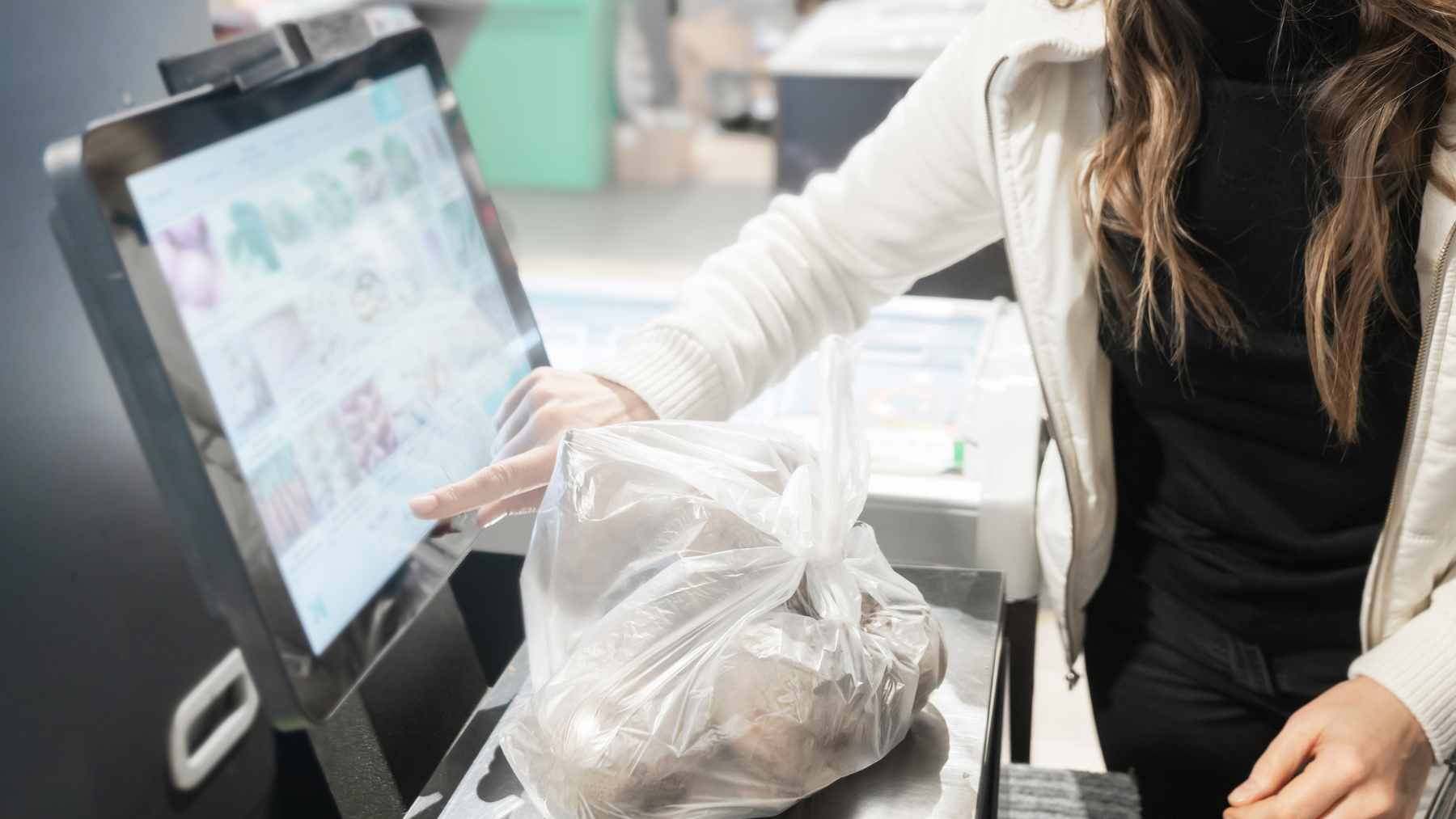
Self-checkout was supposed to make quick store runs easier. Now New York City lawmakers want to narrow what those kiosks can do.
A bill introduced on March 10 would require pharmacies and large food retailers to cap self-checkout purchases at 15 items, keep at least one employee watching the area, and maintain a ratio of one worker for every three kiosks when four or more stations are operating.
Consequently, bigger orders would be pushed back to staffed lanes.
Self-checkout stops being truly self-service
So what makes this proposal stand out? It is not just the item cap. The bill says the assigned worker cannot have other duties that interfere with “direct visual inspection” of the self-checkout zone.
Stores that fail to comply with the staffing rule or fail to advertise the 15-item maximum could face civil penalties starting at $100 per employee at that location, with unrectified violations rising as high as $1,000 per employee per day.
The measure is still in committee, and even if it passes, it would not take effect for a year.
Why does the bill matter beyond New York? Self-checkout is not disappearing, but for the most part it is being redesigned as a supervised fast lane.
Target already rolled out “Express Self-Checkout” with a 10-item cap at most of its nearly 2,000 stores nationwide, and the company says total transaction times improved by nearly 8%.
In Long Beach, California, grocery and drug stores now face a 15-item self-checkout limit plus staffing rules under a city ordinance that took effect in September 2025. That is a strong signal that the old model of unlimited kiosk use is being pulled back.
Why stores and shoppers should pay attention
The pressure behind these changes is real. NRF says industry “shrink,” which includes theft and other losses, reached $112.1 billion in 2022.
The group also says 83% of respondents in its 2025 retail theft and violence report saw aggression and violence stay the same or get worse from the year before. That does not prove a 15-item cap will solve the problem on its own, but it helps explain why lawmakers are treating a checkout screen less like a convenience feature and more like a security and labor issue.
For anyone trying to breeze through a weekly grocery run, that could be the part that hits home first. Self-checkout may still be here, but the age of scanning a giant weekend haul by yourself looks a little less certain.
The official bill summary was published on The New York City Council.