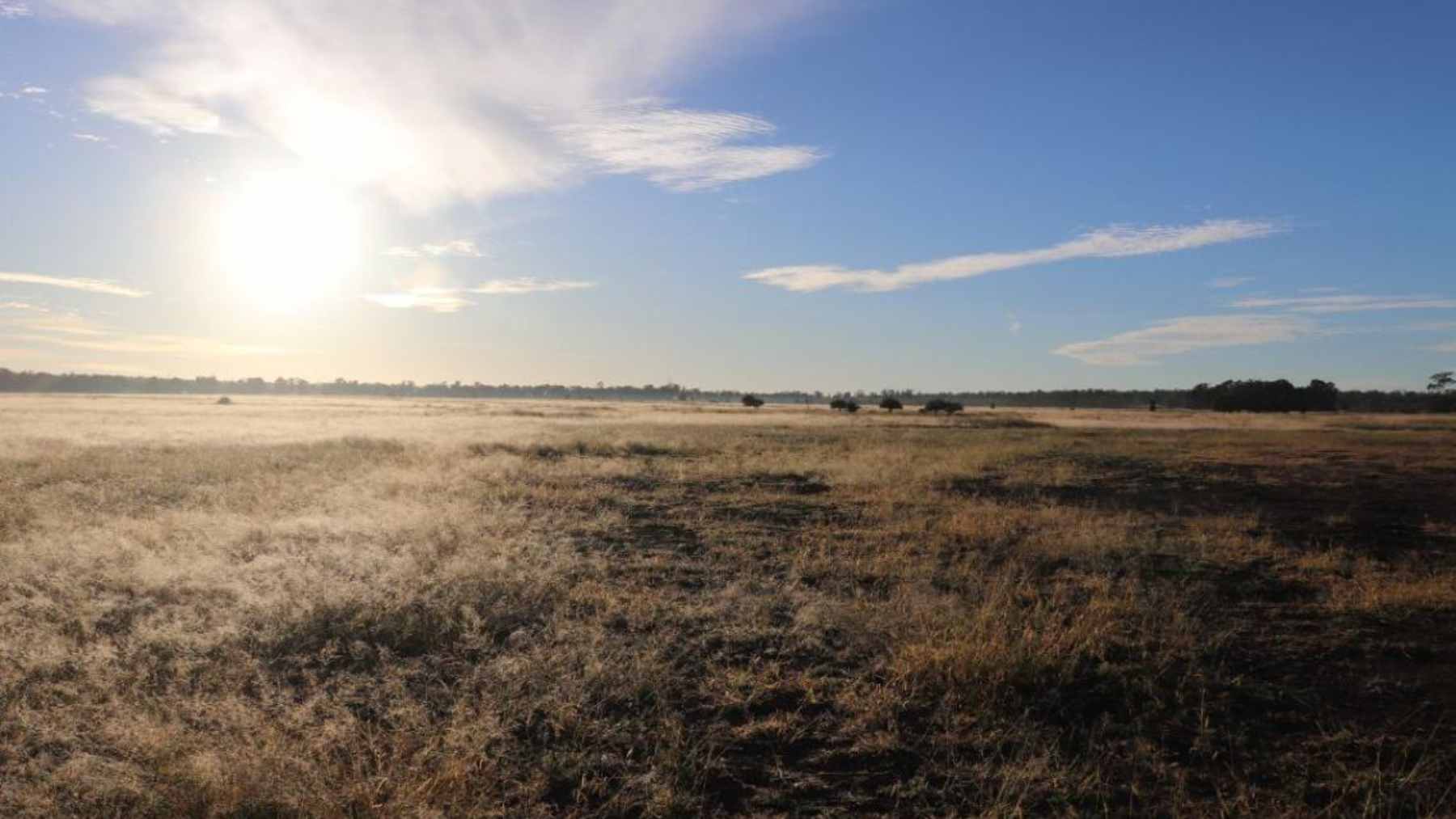
How much climate damage can one old hole in a cattle field really do? Quite a lot, it turns out. Researchers at the University of Queensland found that a single abandoned coal exploration borehole in Queensland was releasing about 235 metric tons of methane a year, with a climate impact similar to 10,000 cars each driving 12,000 kilometers (about 7,500 miles).
On the surface, it looked like the kind of bare patch most people would drive past without a second look. Underneath, it was a serious emissions source.
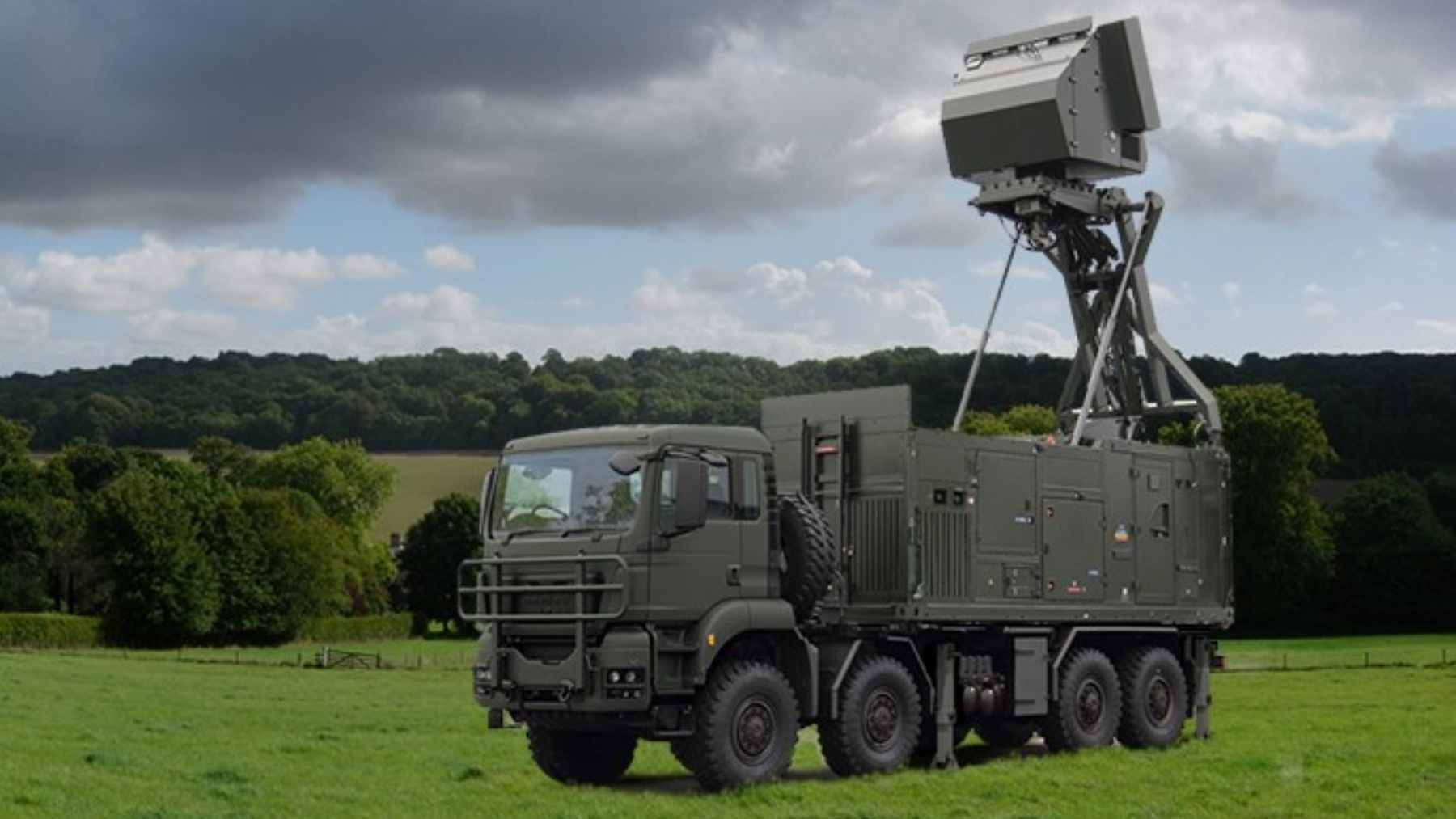
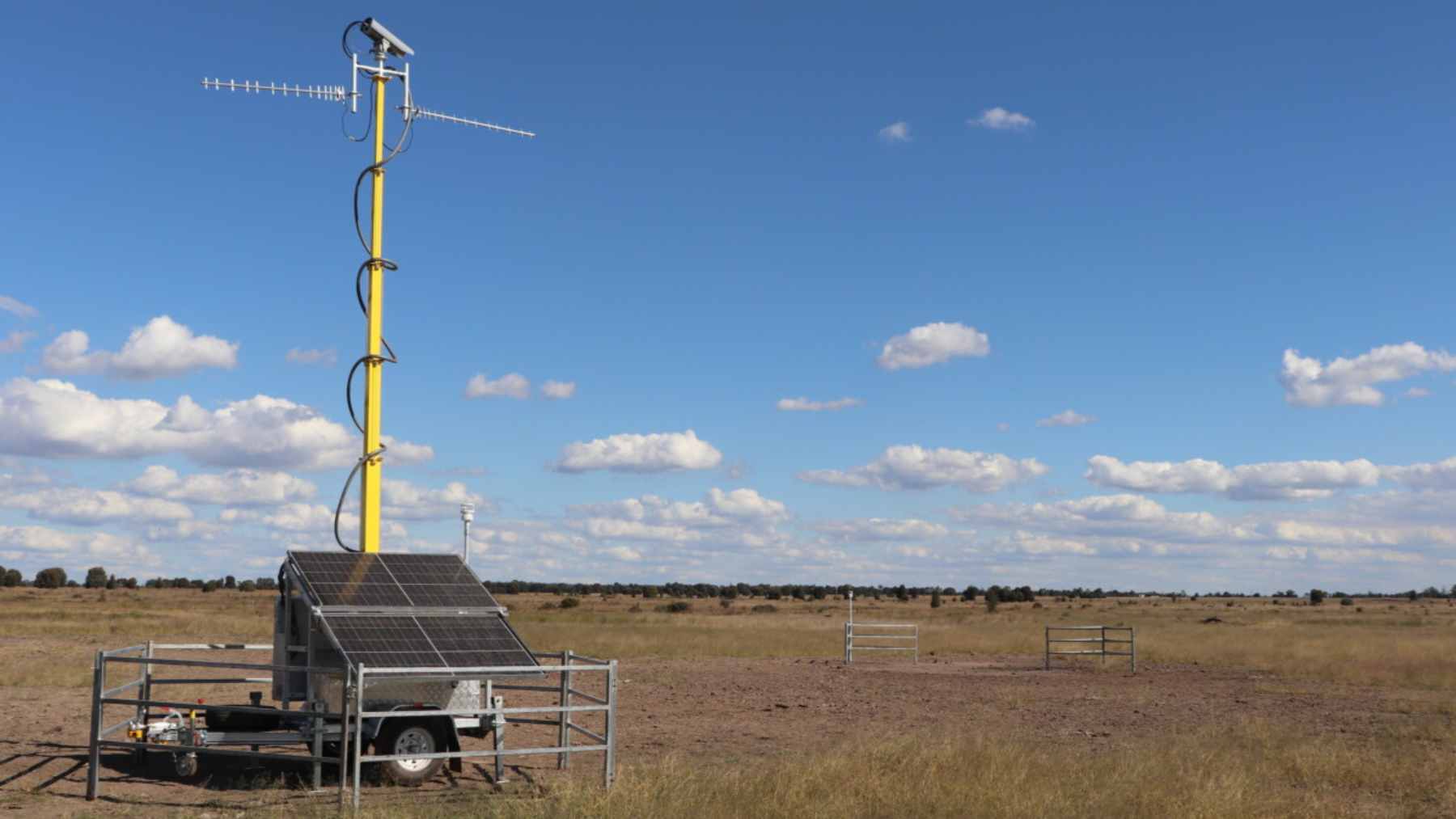
The team measured the site with a trailer-mounted Quantum Gas LiDAR and tracked it over seven days and six nights, not just with a quick handheld check. That longer window proved important. Methane output changed with weather conditions, and the paper classifies the borehole as a “super-emitter.”
In practical terms, that means some leaks may be easy to underestimate if they are checked only once.
The bigger issue is scale
One leaking borehole is bad enough, but the real story is what comes next. UQ researchers say this was the first long-term measurement of methane from an abandoned coal exploration borehole, and they estimate there are around 130,000 similar legacy boreholes in Queensland where the quality of sealing is unknown. Most likely, they will not all be major emitters.
Still, even a small share leaking at high rates could turn an overlooked problem into a very large one.
That is where the environmental story turns into a business and policy problem. These old boreholes are no longer just relics from decades of exploration. They could also become future liabilities.
Methane cuts are among the fastest ways to slow future warming, and UQ researchers say sealing the worst sites could be a straightforward, cost-effective fix. What used to look like forgotten paperwork may start to look a lot like a cleanup bill.
A climate fix hiding in plain sight
There is also a practical upside. Associate Professor Phil Hayes said the findings reveal “a problem, but also an opportunity,” because sealing the worst offending boreholes could quickly cut greenhouse gas emissions.
That is the uncomfortable message here–sometimes the next climate win is not a flashy new invention, it is fixing what industry left behind.
The authors also say the issue may reach beyond Queensland, with potential implications for coal basins globally.
The press release was published on The University of Queensland.