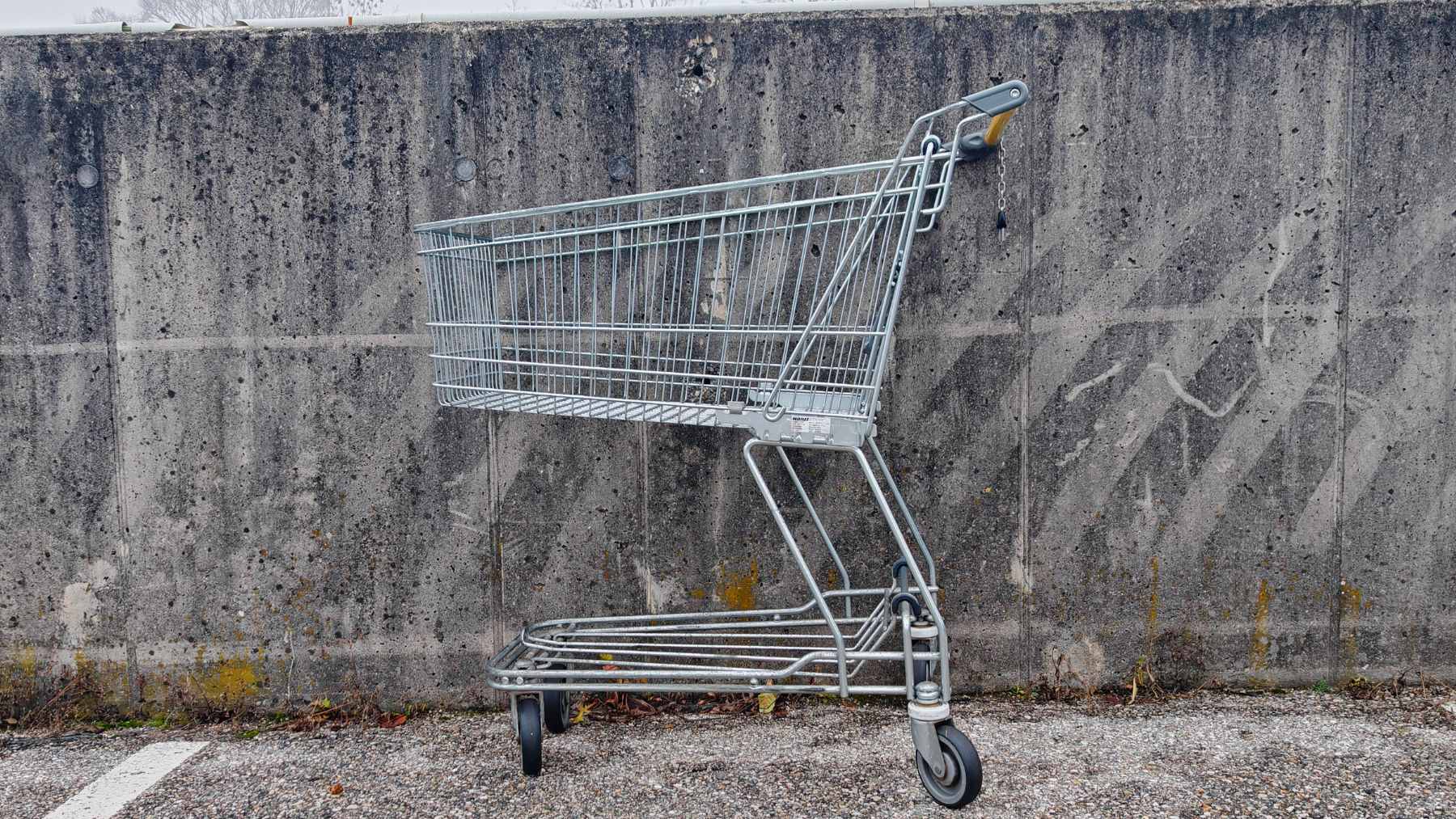
A shopping cart left loose in a parking lot might seem like a small annoyance. But what happens when it ends up in a park, a bus stop, or a stormwater pond? In Brampton, Ontario, city leaders now want retailers to pay for that problem.
Under a new measure tied to the city’s 2026 budget, stores can be charged $100 for each abandoned cart found on municipal property when it creates a hazard or pollution concern.
That matters because this is not a one-off cleanup. City crews collect about 400 to 500 abandoned carts a year, according to material shared after council discussions, with carts showing up in parks, transit areas, and stormwater ponds.
For the most part, taxpayers had been absorbing the cost of retrieving and returning them. Small issue on paper. Not so small once public crews keep getting called in.
In practical terms, the policy is less about blaming shoppers and more about shifting responsibility back to retailers. The city says the fee applies when a cart is clearly identifiable as store property and its abandonment creates hazardous conditions or pollution on city land.
That can mean blocked sidewalks, clutter near transit stops, and one more piece of metal sitting where wildlife and water systems already face enough pressure. It is the kind of mess residents notice on the way to work, even if they never think of it as an environmental story.
Walmart was singled out during council discussions, with meeting documents noting that its Brampton carts do not currently use GPS locking technology. But the bigger issue goes beyond one chain.

Council has also directed staff to report back on whether retailers should be required to install locking or anti-theft systems that stop carts from leaving store property in the first place. That is where this gets interesting.
A cleanup fee could become a push for retail tech that prevents litter and public hazards before city workers ever have to respond.
Also, this fits a wider budget message. Brampton’s official 2026 plan highlights public safety, enforcement, and environmental sustainability as spending priorities. To a large extent, the cart fee sits right at the intersection of those goals.
It treats abandoned carts not as random clutter, but as a business cost with consequences for streets, green spaces, and the public purse. And that is likely what other cities will be watching.