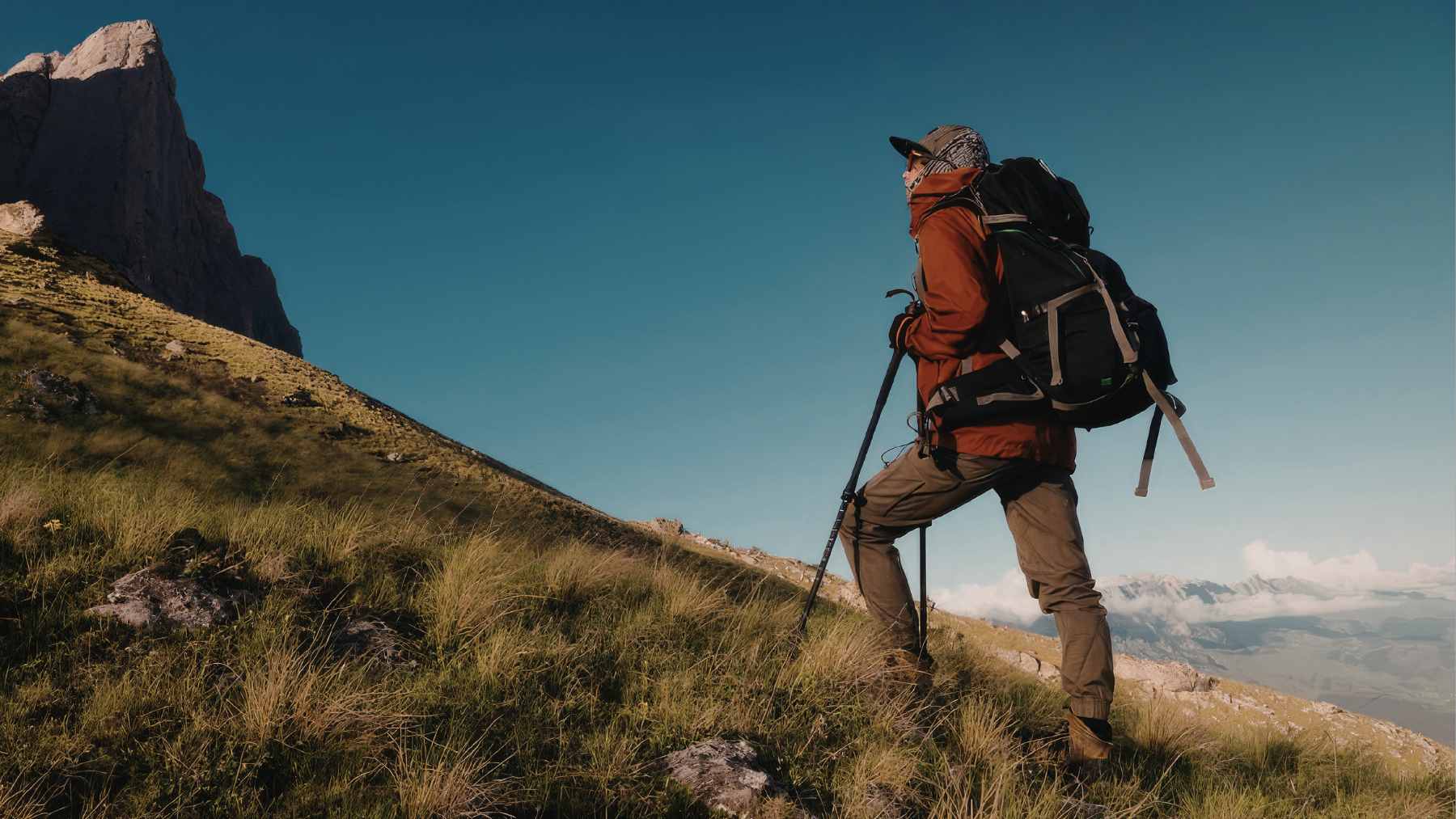
Two hikers in northern Czechia spotted an aluminum can sticking out of a stone wall on the slope of Zvičina hill in February 2025.
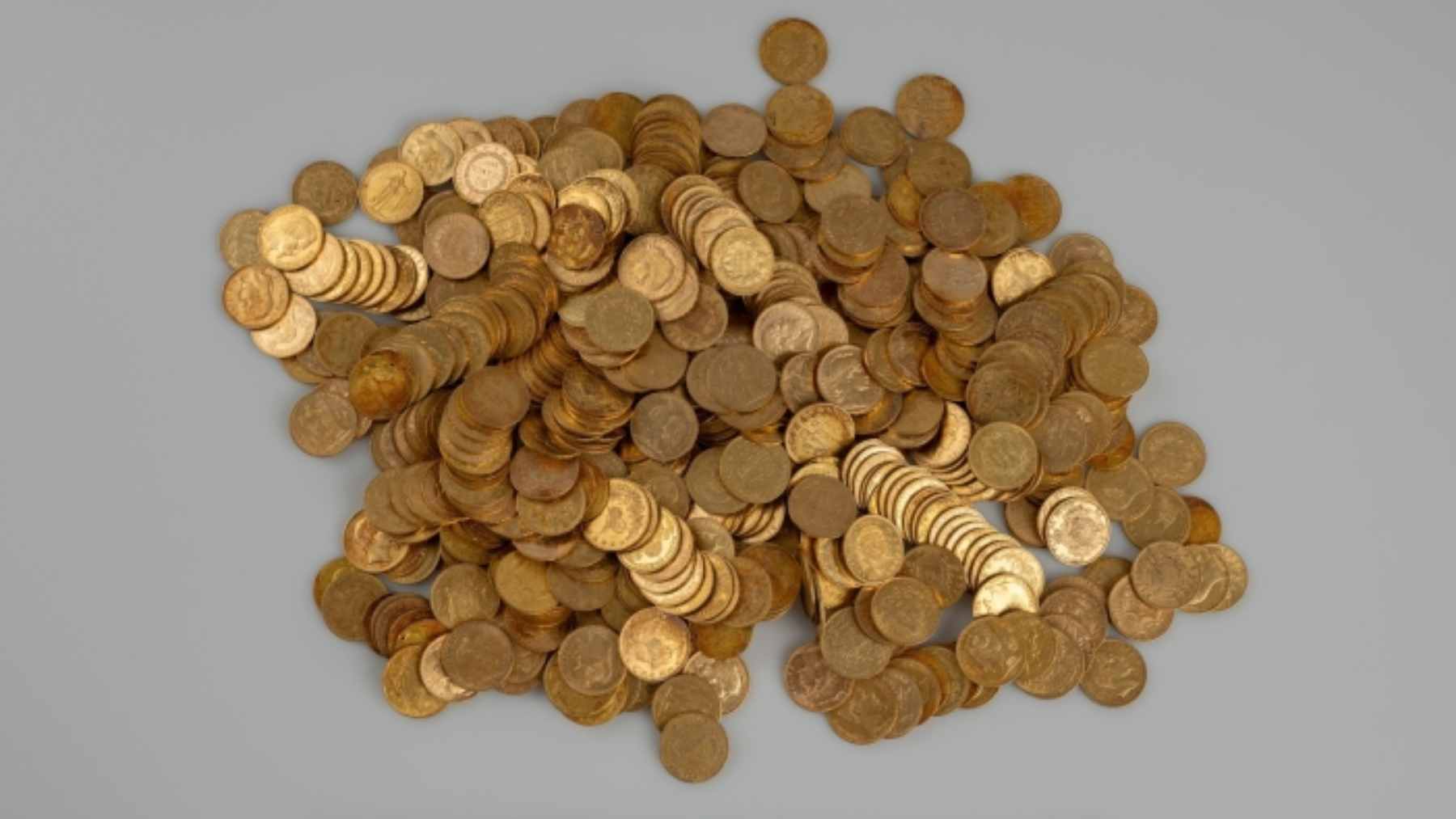
Inside were 598 gold coins, and a nearby iron box held more gold objects. In April 2026, the Hradec Králové Region approved a reward of 11.7 million Czech crowns (USD $567,000) for the finders after official testing confirmed the hoard’s metal content.
It’s tempting to treat this as a pure “jackpot” story, but the location matters as much as the money. The Krkonoše mountain region is packed with protected habitats and some of the busiest hiking infrastructure in Central Europe.
When rare discoveries happen in places like this, the real question becomes simple. How do you protect both nature and history at the same time?
What was found on Zvičina
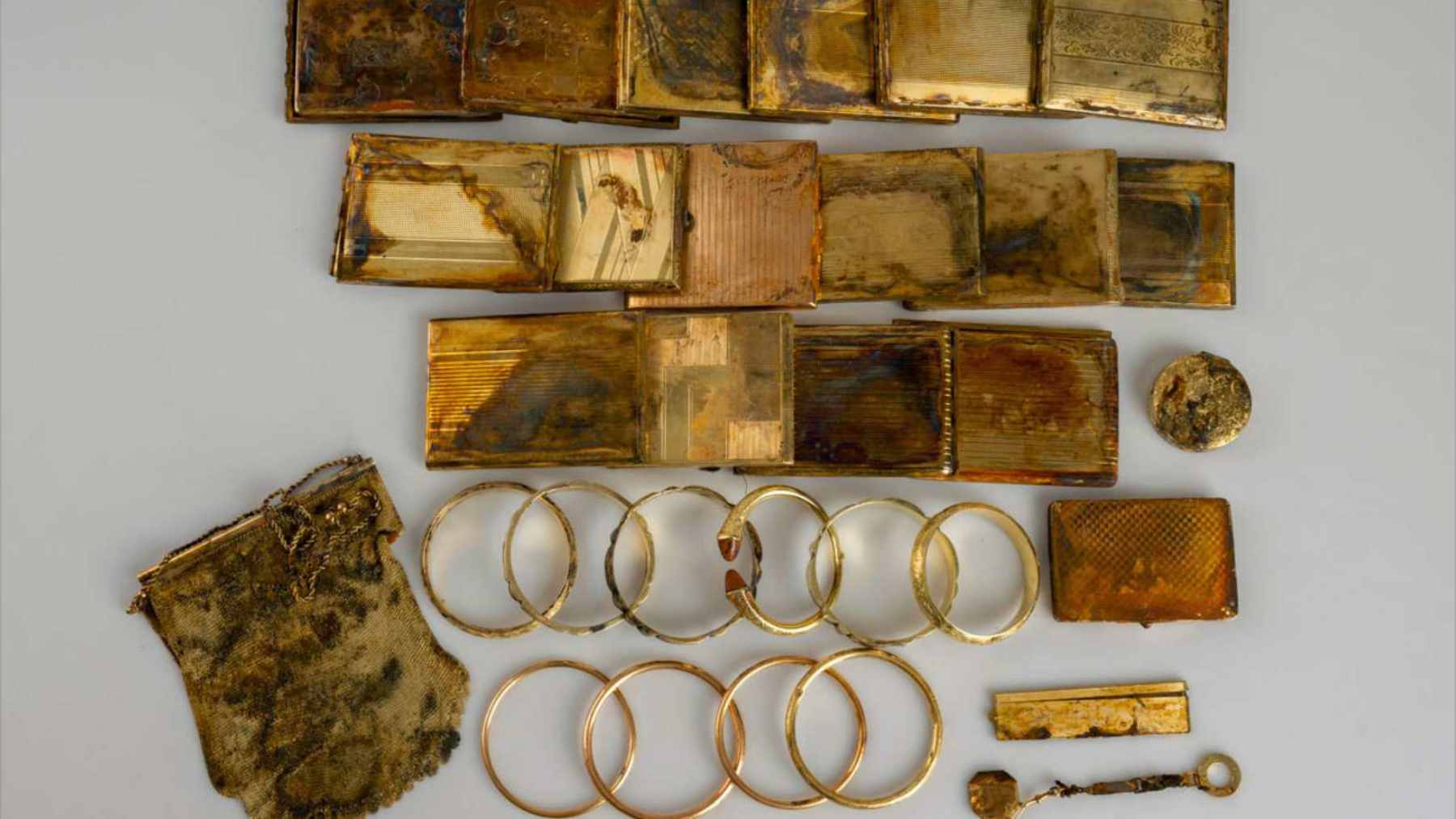
Reports linked to the Museum of Eastern Bohemia say the can held the coins stacked into 11 tidy columns and wrapped in black cloth. The iron box contained items like cigarette cases, bracelets, a wire mesh bag, a comb, a chain with a key, and a powder compact. Together, early estimates put the cache at more than 15 lbs. and worth hundreds of thousands of dollars.
Officials say the hikers handed everything to the museum, which then sent the haul to the Prague Assay Office for non-destructive testing.
The region reports the total pure gold content at 5,230.56 grams, and it used a gold price of 2,237.50 crowns ($108) per gram at the time of discovery to set the 11.7-million crown reward.
A fragile mountain region under pressure
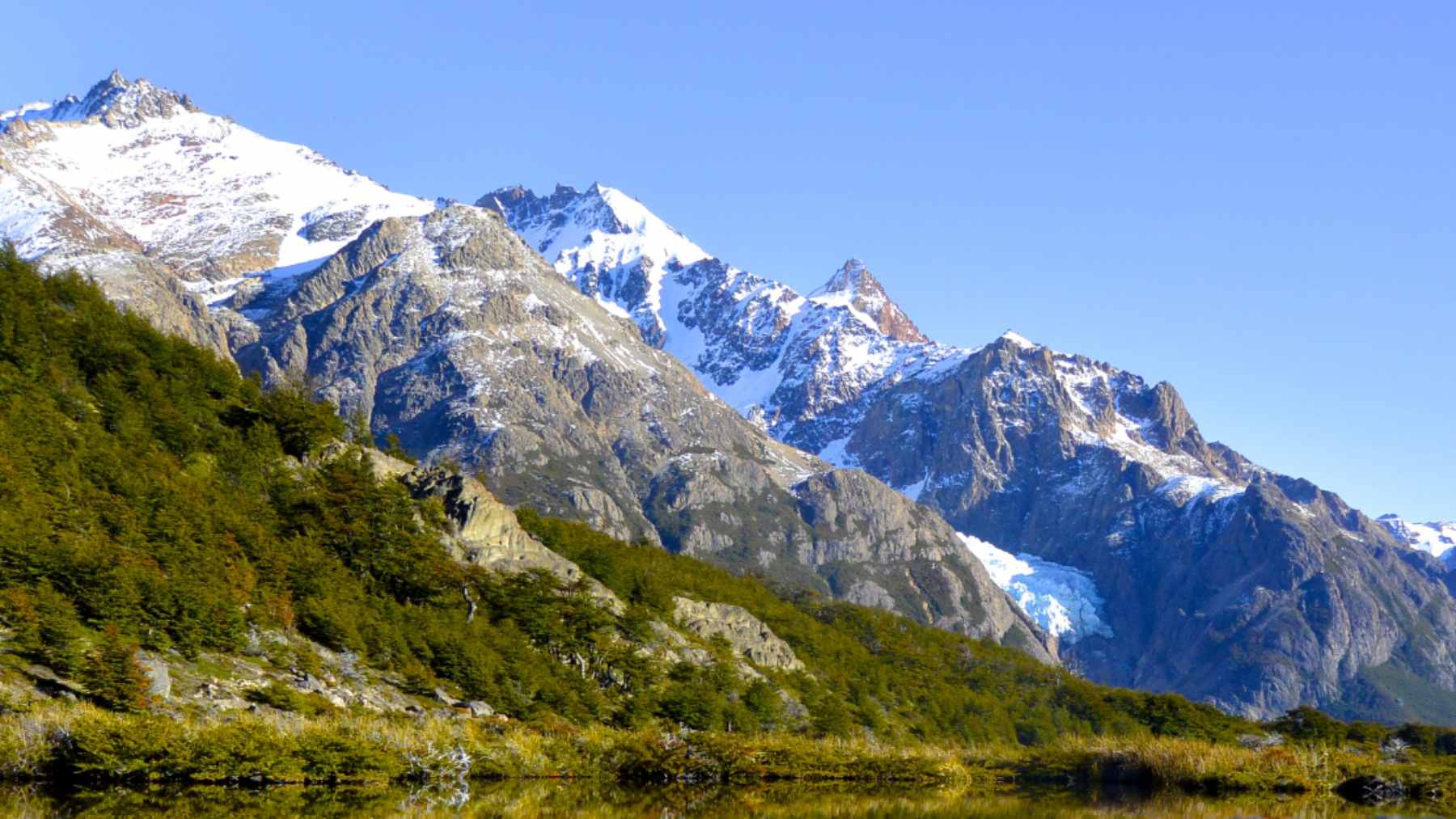
This find happened in the foothills of the Krkonoše Mountains near the Czech-Polish border, not in an empty wilderness.
Research on Krkonoše Mountains National Park describes a protected area founded in 1963 that sits inside a UNESCO Transboundary Biosphere Reserve and other conservation frameworks. It also notes roughly 435 miles of marked trails and an estimated 11 million visitors per year.
That crowd is why a treasure story can become an environmental problem fast. Off-trail shortcuts and digging can worsen soil erosion on slopes, and those scars can linger through the next summer heat and heavy rains.
Heritage guidance also warns that random metal detector searching can greatly disturb the soil and destroy non-metal evidence that scientists need to understand a site.
Conflict history and the safety angle
The museum and regional officials are careful not to oversell the backstory. They say the owner is unknown and that the only firm dating conclusion is that the hoard was buried after 1921, even if many coins carry earlier dates.
Curator Vojtěch Brádle has said possibilities include someone threatened by the Nazi regime or a German-speaking resident deported after the war, but he stresses there is no proof yet.
There is also a practical safety concern that often gets missed in “treasure” chatter. Public guidance for detectorists says not to interfere with unexploded ammunition and notes that World War I and World War II objects can be treated as archaeological finds under Czech legal interpretation. A forest can hide history, but it can also hide hazards.
Why the payout matters for the economy and the law
The reward number is not just a feel-good headline, it’s a policy lever. In its announcement, the region pointed to the state monument care law and reminded people that finders must report similar discoveries to the nearest museum or archaeological institute.
It also warned that hiding a find can lead to criminal or administrative consequences, while reported finds become regional property.
Czech heritage officials take a hard line on unregulated searching. The National Heritage Institute says unauthorized “metal detector surveys” are criminal because removing objects without context destroys irreplaceable information, and it notes that accidental finders can qualify for a reward linked to cultural value and precious metal value.
In other words, the system tries to make honesty the best business decision.
Tech that can help without tearing up the hillside
Modern tech shows up on both sides of this story. Non-destructive lab testing helps museums confirm metal content while preserving artifacts, and park researchers use tools like GIS analysis and automated counters to understand where trail pressure is building.
It is the same basic idea as a smart thermostat, just applied to landscapes instead of the electric bill.
For the public, the most useful tool is often the simplest one. Outdoor ethics guidance from the U.S. National Park Service says to “examine, photograph, but do not touch” cultural artifacts and not to dig trenches, and Czech officials say similar finds must be reported. Take a photo, mark the location, and call the professionals, then keep walking.
The press release was published on “Královéhradecký kraj”.