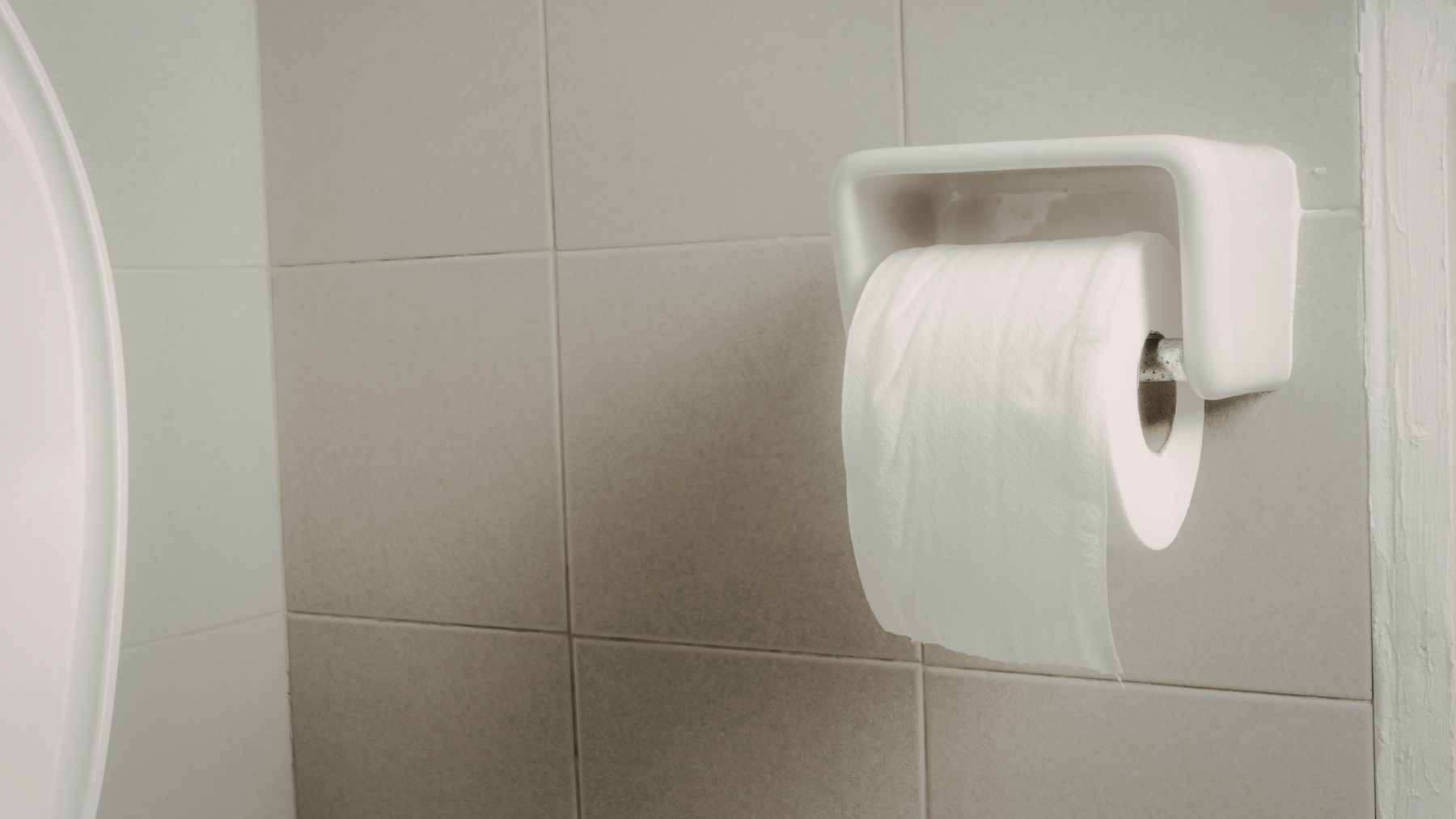
If you’ve ever grabbed a roll labeled “tree-free” and felt like you were doing the planet a favor, new research suggests it is not that simple. A life cycle assessment comparing U.S. wood-based bath tissue with bamboo-based tissue made in China found the imported bamboo product can carry a noticeably higher climate footprint.
The bigger takeaway is almost inconveniently practical. In many cases, the power grid and the drying equipment inside the factory matter more than whether the fiber started as bamboo or wood. That’s a lesson consumers feel in the grocery aisle, and it is also one that big institutional buyers, including defense agencies, can’t afford to ignore.
What the life cycle study found
In the study, a typical U.S. bath tissue made from a blend of Brazilian bleached eucalyptus kraft and Canadian northern bleached softwood kraft produced using Light Dry Creped technology came in at about 4,000 lbs. of CO2 equivalent per air dry ton from production through end of life.
The bamboo-based tissue manufactured in China and sold in the U.S. was about 5,300 lbs. of CO2 equivalent per air dry ton.
The study also tested what happens when bamboo enters the mix closer to home. Substituting bamboo bleached kraft into the U.S.-style supply chain raised the footprint to about 4,500 lbs. of CO2 equivalent per air dry ton, which still landed below the China manufactured product in this comparison.
The energy grid matters more than the plant
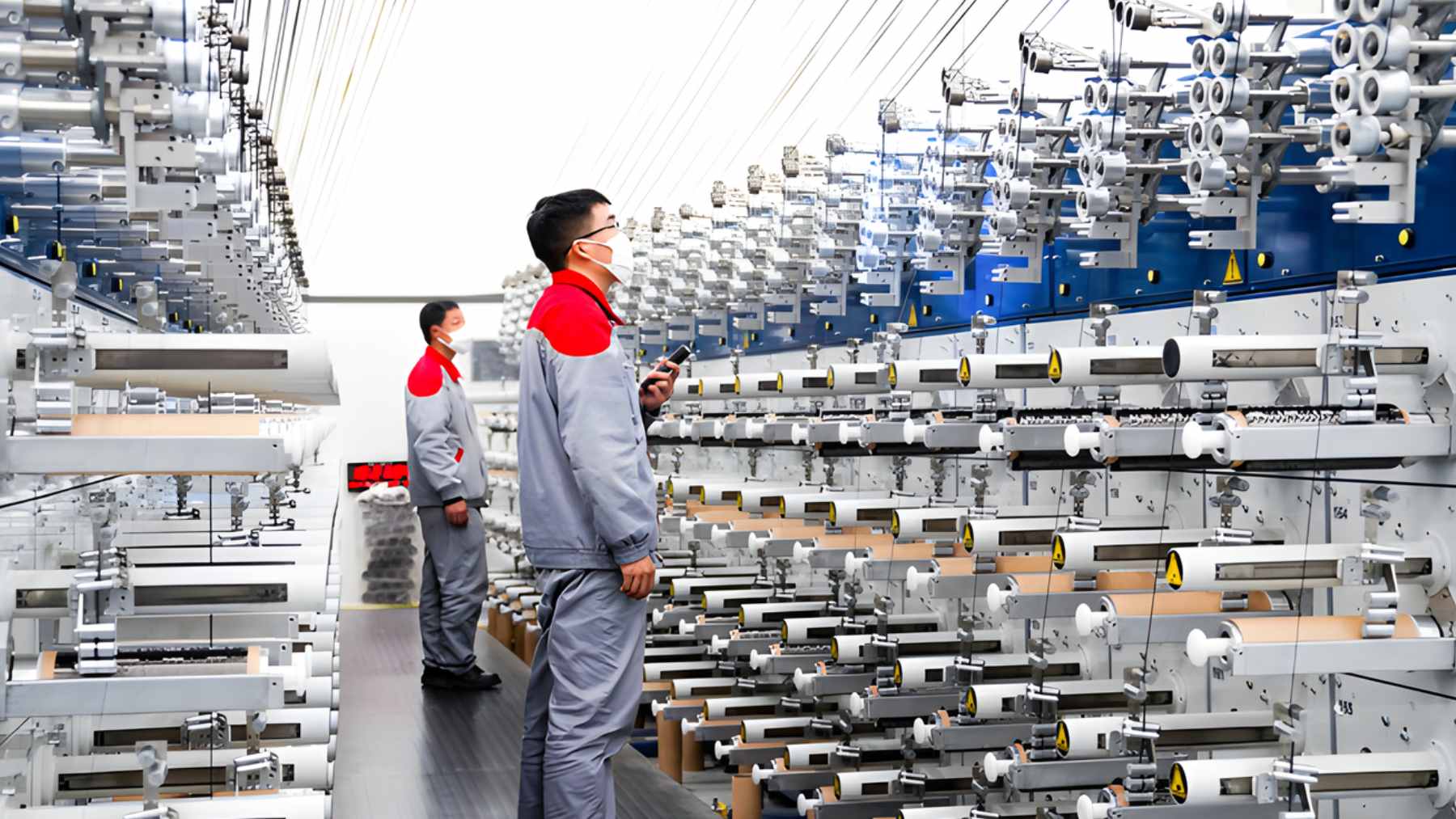
Researchers point to a blunt driver behind the difference: “Chinese mills relied on a coal-dependent energy grid, which made the bamboo products have a higher carbon footprint,” according to Ronalds Gonzalez of North Carolina State University, one of the study’s authors.
There is also an unglamorous villain that rarely shows up on packaging, which is drying.
When the study compared Light Dry Creped products with premium products made using Creped Through-Air Drying technology, the carbon footprint jumped sharply, rising to about 5,600 lbs. of CO2 equivalent per air dry ton for the wood-based blend and roughly 6,000 lbs. for the bamboo-containing blend.
That extra energy has to come from somewhere, and ultimately someone pays for it, whether it is your electric bill or an industrial power contract.
Green marketing meets supply chains
This is where “eco friendly” claims can drift away from measurable outcomes. A roll can be “tree-free” and still carry a bigger footprint if it is produced on a coal-heavy grid and shipped long distances, which is exactly the kind of supply chain reality a life cycle assessment is built to reveal.
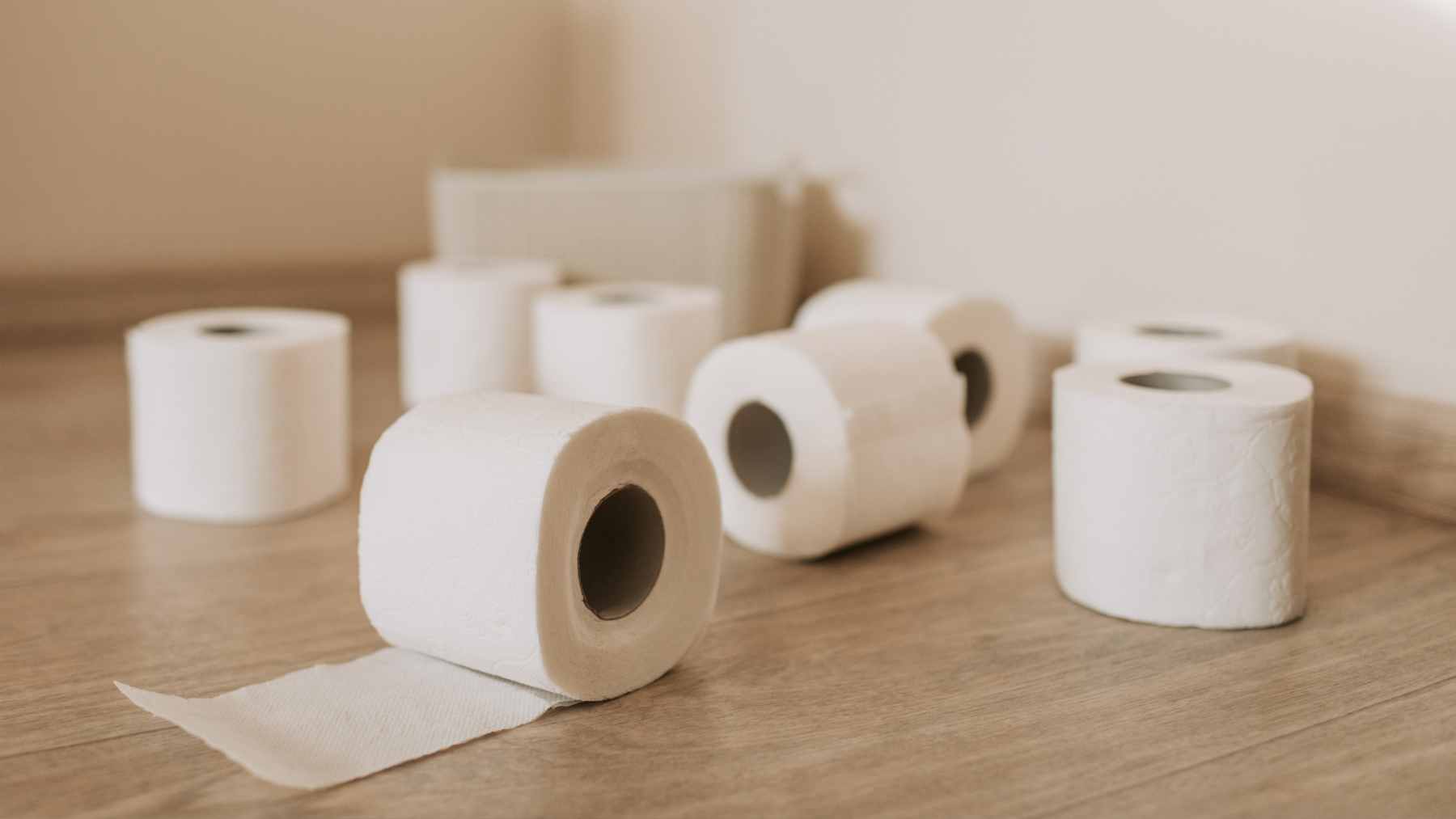
For business buyers, the stakes are bigger than one household’s shopping cart. In U.S. federal purchasing rules, toilet paper is explicitly listed among items included in sustainable procurement expectations, alongside other common supplies, which effectively turns bathroom basics into a procurement and compliance issue.
Bidets and bathroom tech are moving mainstream
So what happens when people stop treating toilet paper as the default tool for every job? Bidets and add-on-wash devices can reduce or even replace wiping, and the market is increasingly split between simple mechanical attachments and feature heavy toilet seats with heated water and air drying.
The Associated Press reports non-electric bidet attachments can cost around $30, while higher-end seats can exceed $600, with some installs requiring a plumber.
It is not hard to see why this conversation is spreading. When it’s hot and sticky and you just want to feel clean, water-based washing sounds appealing, and it can also cut demand for single-use fiber.
Even then, the environmental math depends on local conditions like water and energy sources, so the best answer is often “less paper overall” rather than “this one magic roll fixes everything.”
Pipes hate wipes and even navies learn that the hard way
A lot of people try to bridge the gap with wet wipes, especially the ones marketed as “flushable.” Wastewater operators have been warning for years that wipes can persist and tangle into blockages, and a UK-backed water study found the majority of recovered sewer blockage material was made up of non-flushable wipes, with baby wipes accounting for over 75% by weight of identifiable products.
If that sounds like a local plumbing headache, it scales up fast in high-demand systems. A U.S. Government Accountability Office report noted that the Navy’s newer toilet and sewage systems on large aircraft carriers have faced “unexpected and frequent clogging,” and that an acid flush used as a response was estimated at about $400,000 per flush, with the long-term repetition rate still uncertain.
Different mission, same underlying lesson: sanitation systems are only as resilient as what people put into them.
A lower impact checklist that actually adds up
For households, the simplest move is to reduce use first. Skipping ultra plush premium rolls can matter because energy intensive drying is a major footprint driver, and looking for credible certifications or recycled content can help when you do buy paper.
For companies and government buyers, the playbook is clearer than it looks. Demand transparent life cycle data, prioritize manufacturing powered by cleaner electricity, and treat “tree-free” as a marketing claim that still needs numbers behind it.
The study was published on ScienceDirect.