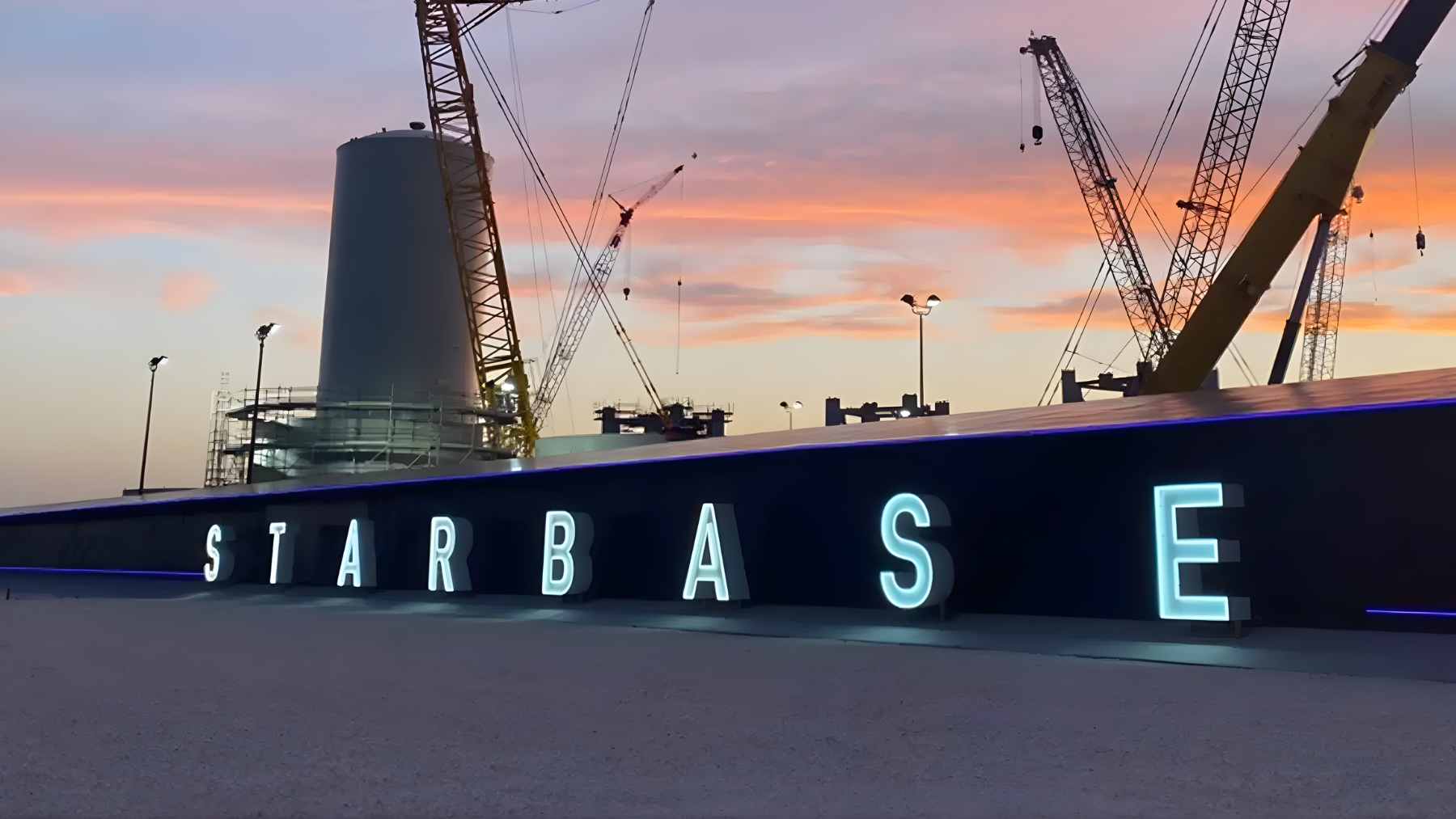
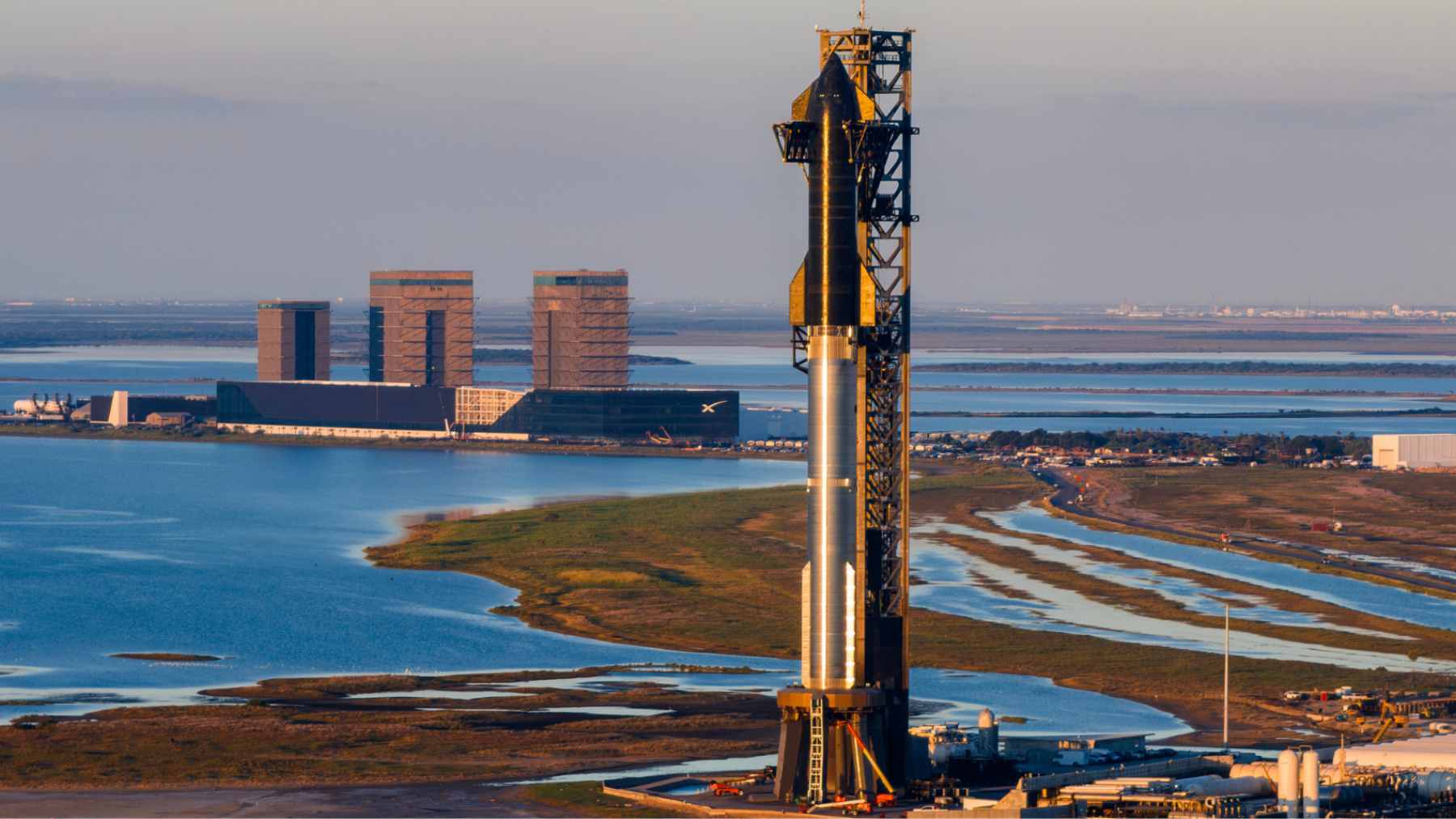
Elon Musk says his biggest quiet headache at Starbase is convincing engineers with families to move to a place he calls a “tech monastery.” But Starbase has another partner problem that does not show up on a hiring spreadsheet.
It sits on the edge of a living coastline where protected habitat, migratory birds, and nesting sea turtles share the same address as a rocket factory.
That collision is becoming one of the most important environmental tests for the commercial space boom. If the industry cannot prove it can grow without degrading the rare places it depends on, it risks turning “sustainability” from a buzzword into a hard business constraint, and eventually, a readiness issue.
A rocket factory in a wildlife corridor
From a distance, Boca Chica looks like an open space built for launches. Up close, it is part of the Lower Rio Grande Valley coastal mosaic of wetlands, grasslands, and the dense Tamaulipan thornscrub that once covered roughly one million acres across the region, by Texas Parks and Wildlife’s account.
This is the kind of habitat that disappears quietly, one fence line and road widening at a time.
These nearby protected lands are not just scenic buffers, and conservation groups have warned that endangered ocelots and jaguarundis use the surrounding habitat while Kemp’s ridley sea turtles and threatened shorebirds nest or forage along the coast.
When you hear “remote,” wildlife often hears “safe,” at least until the ground starts shaking. Not a small tradeoff.
The damage debate is no longer hypothetical
A New York Times investigation, summarized by Business Insider, reported that Starbase operations have been linked to explosions, fires, leaks, and other problems at least 19 times since 2019. That is not a single freak accident, it is a pattern that critics argue should change how regulators and the public define “normal operations.”
The most vivid example came after SpaceX’s April 2023 Starship test. U.S. Fish and Wildlife Service information reported by multiple outlets described a 3.5-acre fire on state park land and debris documented across about 385 acres at SpaceX’s facility and Boca Chica State Park, with pulverized material reported miles away.
For locals, a launch window can also mean Highway 4 closures and a locked gate between families and Boca Chica Beach, which matters if you planned a weekend drive to the water.
Regulators are betting on mitigation and monitoring
The FAA’s approach has been to allow Starship activity to proceed under environmental reviews that conclude impacts are manageable if mitigation measures are followed.
In June 2022, the agency issued a mitigated finding of no significant impact and record of decision tied to a programmatic environmental assessment for Starship and Super Heavy operations at Boca Chica. In plain terms, that meant permission with conditions.
Since then, approvals have widened the potential tempo. Reuters reported that in May 2025 the FAA cleared an environmental hurdle for SpaceX to increase Starship launches from five to 25 per year at the Texas site, again concluding the change would not significantly impact the environment under the National Environmental Policy Act.
The FAA’s Starship page later posted a final tiered environmental assessment and decision documents in February 2026 that cover updated airspace closures and additional mission profiles.
Legal challenges have not disappeared, but they have not stopped the program either. A federal judge rejected a conservation group challenge to the FAA’s 2022 approval, with Reuters reporting the court said the agency took the required hard look at issues such as light impacts on wildlife.
So the argument is shifting from “should this happen” to “how we make it less harmful while it does.”
Sustainability is becoming a workforce and defense issue
Musk’s “significant other problem” is a clue about what comes next. Families do not just weigh salary and mission, they weigh schools, health care, commute times, and whether a place feels livable on a random Tuesday, not just exciting on launch day.
If Starbase becomes known mainly for closures, noise, and ecological conflict, that is not only an environmental story, it is a recruiting and retention story.
There is also a strategic angle that often gets missed in green debates. The U.S. military and Space Force have been explicit that national security space launch exists to provide “assured access to space,” relying heavily on the commercial launch base to put critical assets in orbit.
That means environmental legitimacy and local trust are not side issues, they can help decide how resilient space infrastructure is when demand spikes.
So what would a sustainable spaceport look like in practice? More transparent wildlife monitoring that is easy for the public to audit, tighter controls on lighting and fire risk, and real habitat restoration rather than paperwork promises.
The official statement was published on FAA.