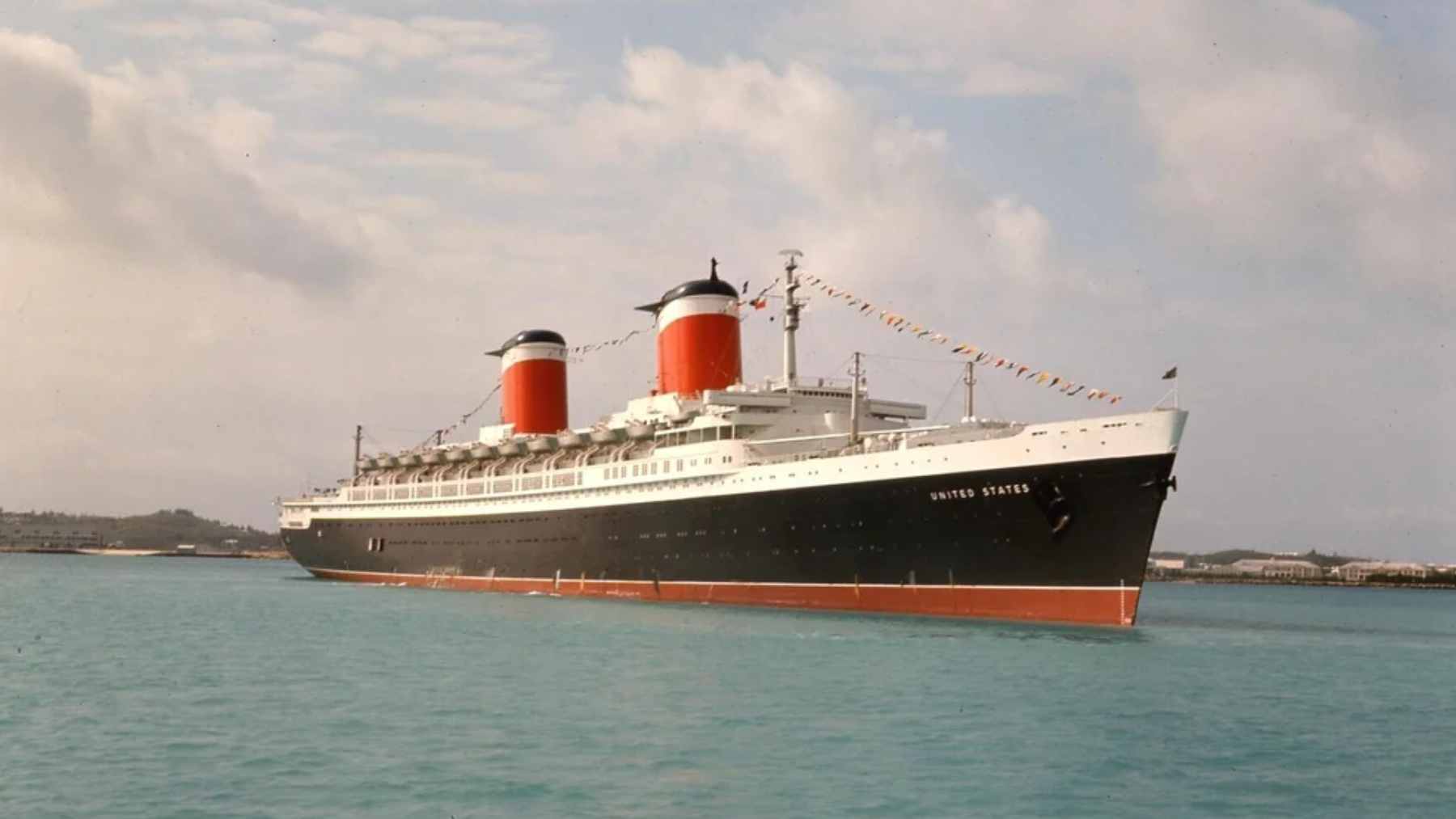
Florida’s Gulf Coast is preparing for one of the strangest environmental projects in recent memory. Okaloosa County wants to sink the SS United States, the 990-foot ocean liner that still holds the Blue Riband speed record, and turn it into what officials call the world’s largest artificial reef.
Recent local reporting says the deployment has slipped into June 2026 as federal approvals are finalized.
On paper, it sounds simple. You put a big structure on the seafloor and marine life moves in. In real life, it’s part cleanup operation, part maritime security exercise, part tourism bet, and part science experiment that will be tracked for years.
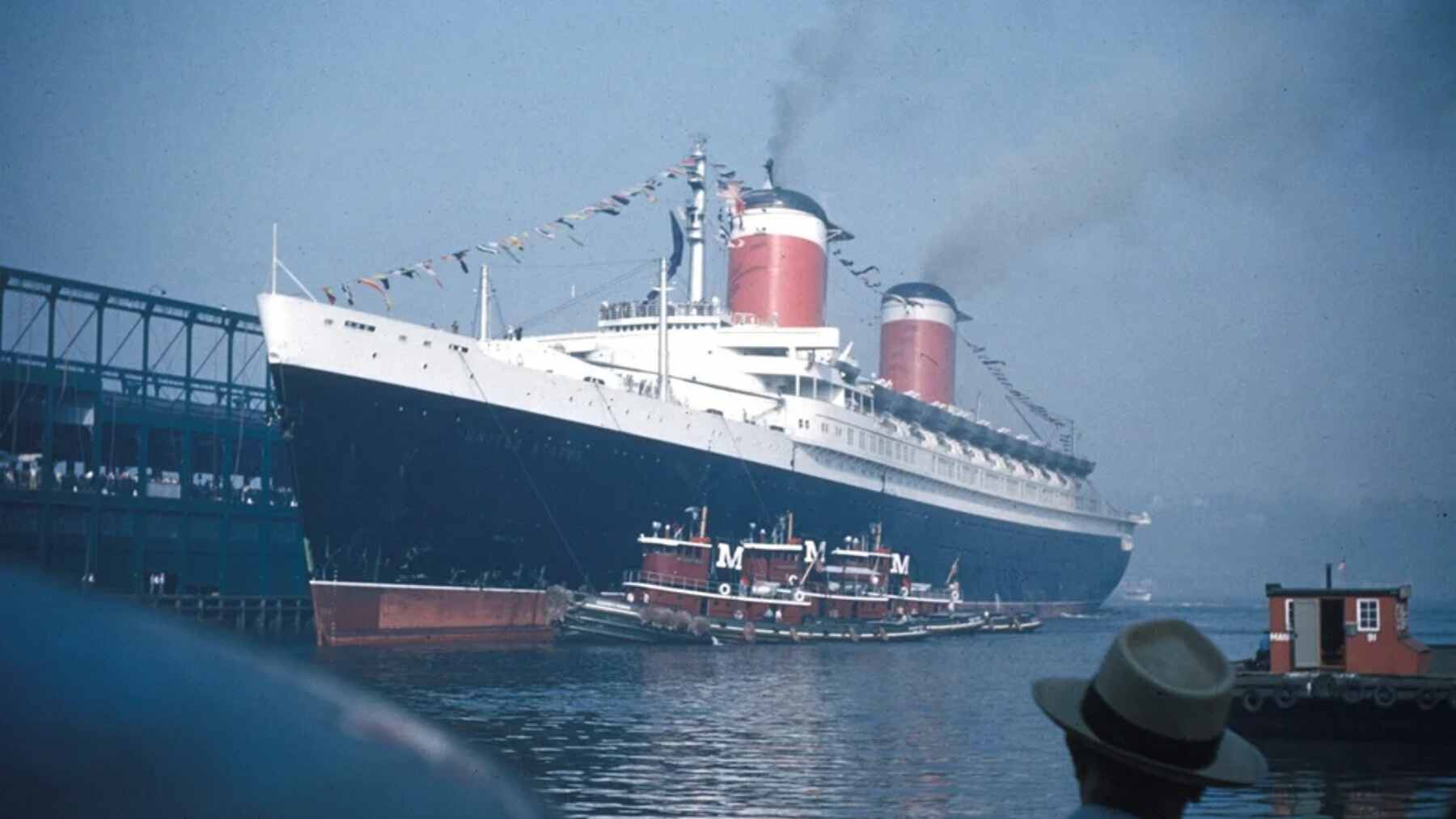
A famous ship with a defense-era backstory
The SS United States wasn’t built as just another luxury liner. Federal maritime history records describe it as a Cold War-era vessel created with national security in mind, including design choices meant to support potential military needs.
That matters now because the ship’s second life is also a government-heavy project. It sits at the intersection of environmental rules, navigation safety, and public funding, with the kind of oversight you usually see around major infrastructure.
The hard part is making it “reef-ready”
Before a ship becomes a habitat, it has to stop being a floating collection of hazards. In its December 2025 project update, Okaloosa County said all 120 fuel tanks were empty, 99% of PCB-containing materials had been removed, and major components like funnels, a radar mast, and a propeller had been taken off and secured on land.
The same update said the work was about 80% complete and heading into final inspections, noting that most inspecting agencies were federal. That’s a key detail for anyone worried this is being rushed.
Sinking it is planned like an operation, not a spectacle
A controlled deployment at sea is not a “let it go and hope” moment. Okaloosa County’s own materials say the sinking is expected to use a naval architect’s plan and a flooding model, and they emphasize that no explosives are planned.
Security is also part of the plan. The county’s project update describes a 24/7 security perimeter and says more than 40 law enforcement vessels would help manage the area during deployment.
Follow the money, because it explains the urgency
Okaloosa County says the project is funded through tourism “bed tax” revenue rather than general fund dollars, and that commissioners voted to allocate $13 million for the overall effort, including towing, remediation, purchase, and support for a future land-based museum.
That’s the line item you might recognize from a hotel receipt when you visit a beach town.
They’re also building a regional business coalition around it. A November 2025 county press release announced partner agreements that would bring a $1.5 million contribution from Visit Pensacola and $500,000 from the Coastal Conservation Association of Florida, with some of that money aimed at multi-year marketing for dive tourism.
Tech and science will decide if it’s a real habitat win
Artificial reefs can attract fish fast, but “attract” is not always the same as “increase.” That’s why the most interesting part of this project may be what gets measured after the ship is on the bottom.
Okaloosa County’s project update lists research partners and deliverables that sound like a long-term field study, not a one-time stunt.
It names Dauphin Island Sea Lab for pre- and post-deployment soundscape work, Woods Hole Oceanographic Institution for 10 years of biological, chemical, and physical monitoring, and Louisiana State University work tied to tagged fish movement and how fish interact with the vessel.
Environmental concerns aren’t a footnote
Sinking a ship on purpose is always going to raise questions, and Okaloosa County has openly acknowledged that. One slide in its project update lists outside-party challenges and concerns that include aluminum, PCBs, lead, asbestos, oil and fuel, diver safety, unexploded ordnance, and zinc chromate linked to hexavalent chromium.
On zinc chromate specifically, the county’s materials argue it is not federally regulated as a material requiring removal and say it is treated similarly to lead-based paint and asbestos when intact, while also noting that ocean environments differ from closed or groundwater systems.
That doesn’t end the debate, but it clarifies what officials are using as their regulatory logic.
What readers should watch next
The timeline is moving, and it’s not just because of weather. In December 2025, Okaloosa County was talking about setting deployment windows starting in February and managing the operation with Florida Fish and Wildlife Conservation Commission and the U.S. Coast Guard, but later reporting says the target has shifted toward June 2026 as federal processes continue.
For divers and anglers, the practical details are already taking shape. The county says the proposed depth is 180 ft. to the bottom and about 55 ft. to the upper deck, and it also notes the ship’s mixed steel and aluminum construction and plans to reduce parts of the aluminum superstructure for accessibility and a shallower deployment profile.
Now comes the part that really counts: the monitoring, the transparency, and whether the Gulf rewards the effort with a living, functioning reef.
The official project update was published on Okaloosa County’s website.