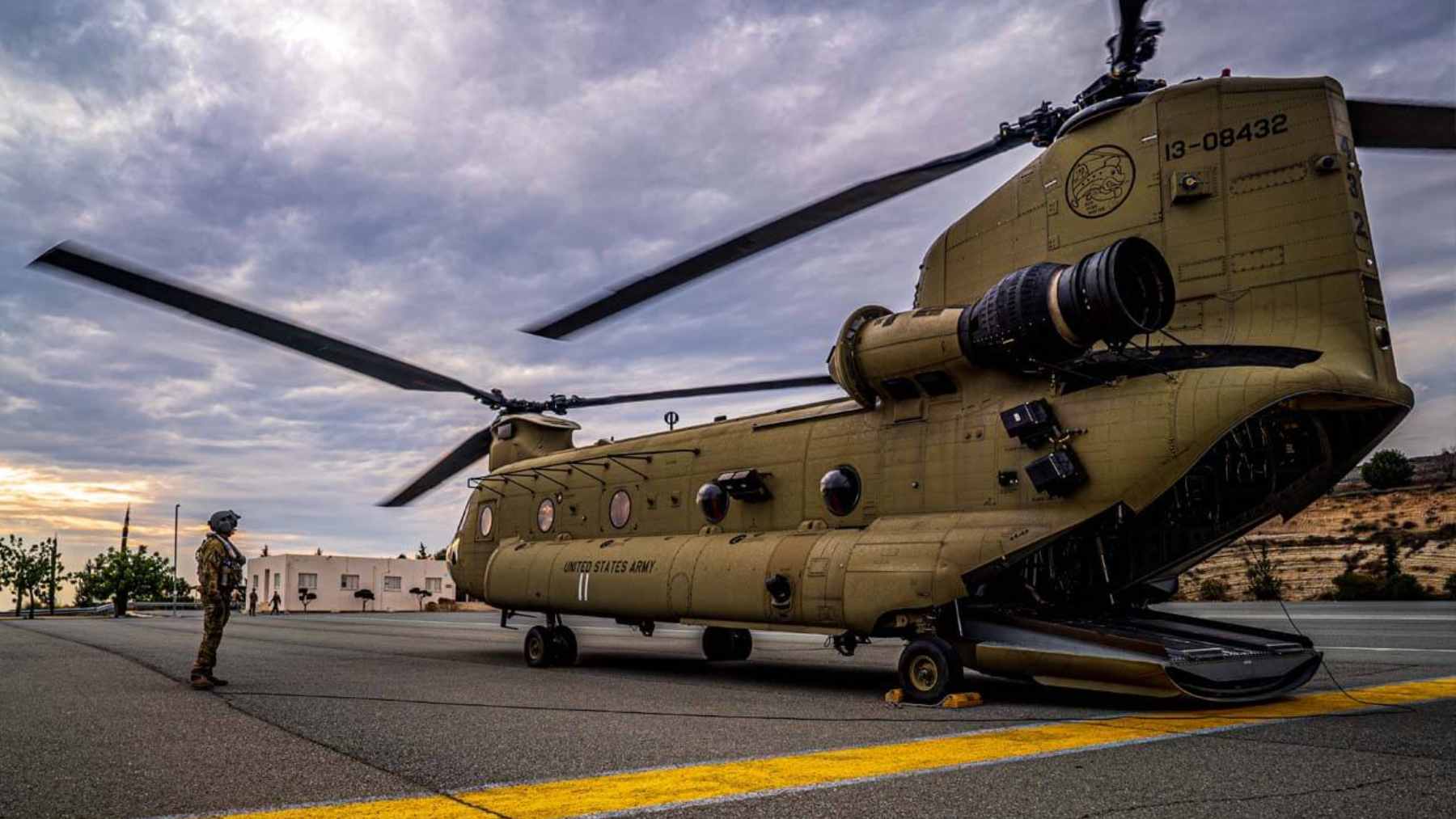
A U.S. Army CH-47F Chinook has completed a fully automated approach and landing with no pilot input at the controls, using Boeing’s Approach-to-X (A2X) autonomy software. Within days, the Army also ordered six more CH-47F Block II helicopters, pairing new code with an upgrade aimed at moving more cargo farther.
It sounds like a pure Military and Defense story, but the environmental thread is hard to ignore. In its own greenhouse gas accounting, the Department of Defense says jet fuel is a dominant source of operational emissions, so even modest cuts in wasted flight time can matter when scaled across training, logistics, and disaster response.
Could autonomy actually trim that footprint, or will it just make it easier to do more flying?
A Chinook that can fly the last mile
Boeing describes the A2X test as “supervised autonomy,” meaning the crew still sets the landing zone and mission constraints, but the aircraft flies the approach and touches down on its own.
The company says that since A2X first flew on an Army CH-47F in January 2026, the system has logged more than 150 automated approaches with an average final position error of less than five feet.
That repeatability is the point. Instead of white-knuckle workload in the final seconds, the pilot can monitor, manage threats, and step in if needed, and Boeing says the autonomy layer is built on a digital flight control architecture upgrade. Not a replacement, more like a co-pilot that never gets tired.
The environmental angle hiding in the hover
If you have ever been near a helicopter landing zone, you know the downwash can turn loose soil into a cloud in seconds. The U.S. Forest Service notes that rotor wash can loft dust that negatively affects humans and wildlife, including impacts on vegetation and aquatic life, and it also accelerates wear on aircraft and equipment.
So, precision landings can be more than a safety upgrade. If automation helps crews land with fewer re-tries, reduces time in a hover, or nudges planners toward prepared pads instead of bare ground, it can lower local dust and noise in places that already feel fragile.
Public materials on A2X so far focus on safety and mission performance, not a quantified emissions impact, but the pathway to savings is clear in the same way a shorter car trip saves gas.
Block II upgrades and the business behind them
On April 15, 2026, Boeing said the Army awarded a $324 million contract for six CH-47F Block II Chinooks, bringing the total under contract to 24. Boeing also said it has already delivered six Block II production aircraft, and the Army is preparing to field the first unit equipped by mid-2028.
Heather McBryan, a Boeing executive, said “consistent production awards reflect the Army’s confidence” in the Block II configuration. Boeing says Block II adds a strengthened drivetrain and airframe that increases maximum gross weight by 4,000 pounds, plus fuel system changes intended to extend mission radius for nearly all payloads.
DoD’s fuel math is pushing tech decisions
The Pentagon has put numbers on the problem. In its April 2023 Plan to Reduce Greenhouse Gas Emissions, DoD reported FY 2021 Scope 1 and Scope 2 emissions of 51 million metric tons of CO2 equivalent, with 63 percent coming from operational sources, and it said jet fuel combustion accounted for 80 percent of operational emissions and 50 percent of total DoD emissions. Small gains add up.
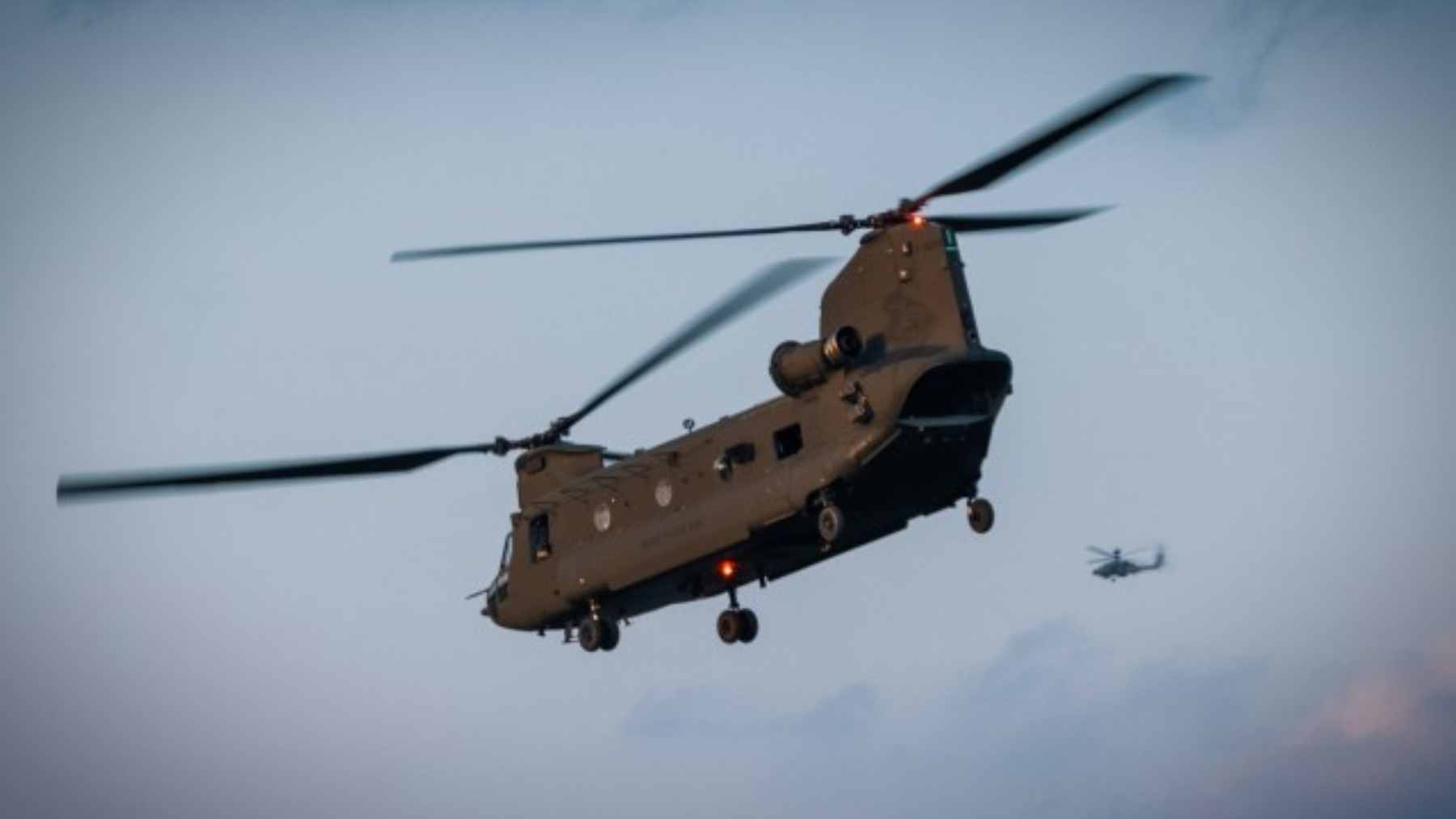
That context is why autonomy and “smarter flying” are showing up alongside talk of cleaner fuels.
DoD says Sustainable Aviation Fuel could “significantly reduce” its carbon footprint without requiring hardware changes, but it also flags price and availability barriers that keep SAF out of operational quantities today, along with procurement constraints that require bulk alternative fuel purchases to be cost competitive.
What to watch next
The real test will be whether the Army measures what matters. Flight test accuracy is important, but so is mission fuel per pound moved, time spent hovering over dusty ground, and how often “one more try” turns into “one more lap” around the landing zone, which is where the fuel bill quietly piles up.
There is also business pressure building in the background. DoD’s plan notes a proposed federal acquisition rule that would require major contractors to disclose greenhouse gas emissions and set science-based reduction targets, which could pull sustainability deeper into procurement decisions over time.
In other words, the Chinook’s next software update may be judged not only by how it lands, but by what it helps the Army avoid burning.
The official statement was published on Boeing.