The phone in your pocket has an afterlife, and sometimes it starts in a shipping container. Thailand is drawing a hard line after officials found about 285 tons of suspected electronic waste at Laem Chabang port.
Thai media reported the shipment would be sent back to the United States under Basel Convention rules. This is alarming because this is not only a customs case, it is a glimpse of the hidden waste stream behind the global tech business.
What inspectors found
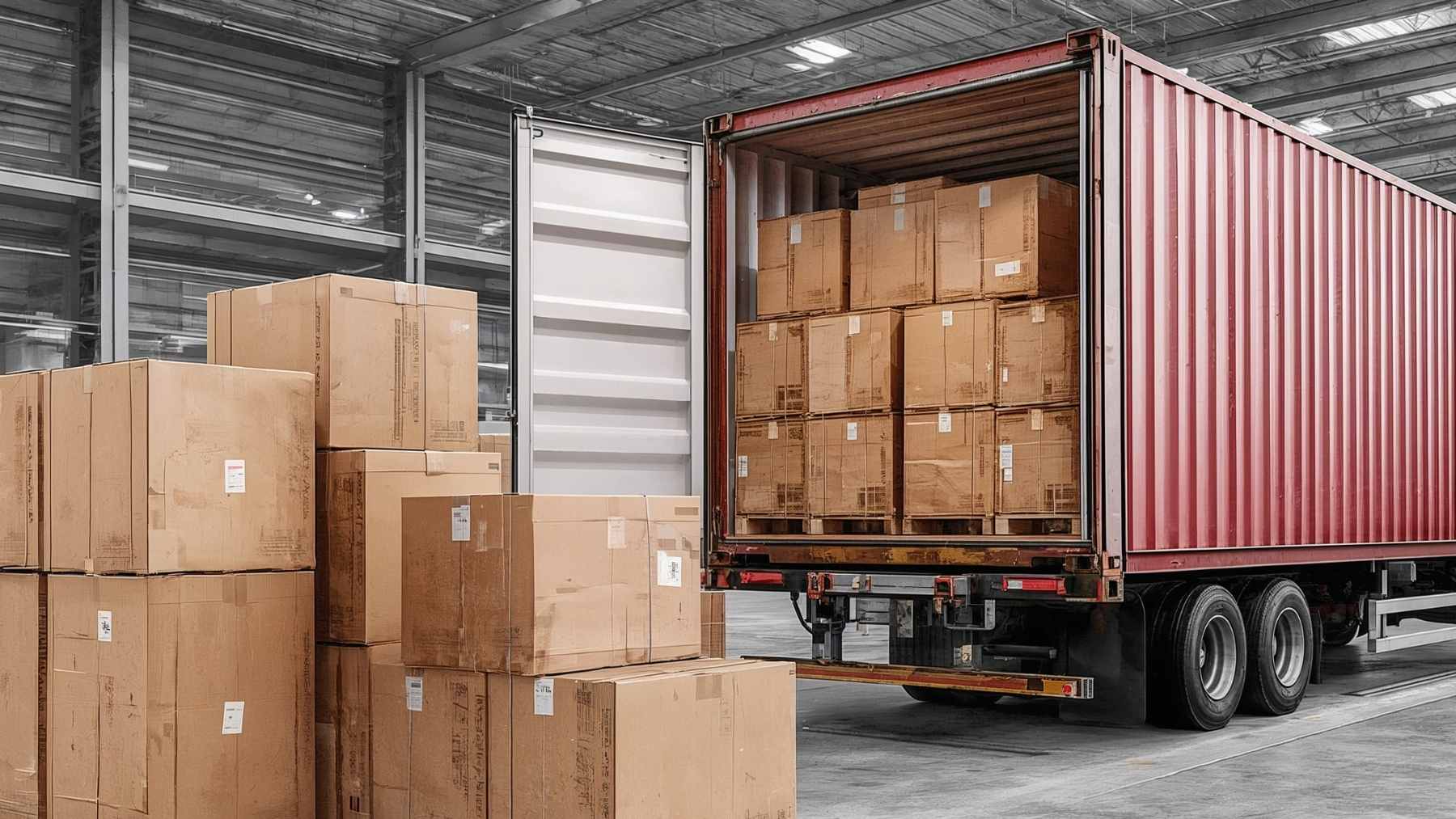
Thai Customs said officers opened 18 suspicious containers on March 10. In the first group, 12 containers declared as scrap iron from Haiti were found to contain scrap metal mixed with electronic circuit boards, enough to classify the load as e-waste, with a total weight of about 284,919 kilograms (628,139 lbs.).
The Pollution Control Department said 21 suspicious containers had been detained earlier in February and 12 were already identified as e-waste.
DSI described the case as part of a wider crackdown and said 714 suspicious containers had been frozen between April 2025 and March 2026 after receiving intelligence from Thai and international partners, including BAN and UNODC.
Thailand has seen similar cargo before, with AP reporting a separate 238-ton U.S. e-waste seizure at Bangkok Port in May 2025.
Why this is bigger than one port inspection
So why does one shipment matter so much? The rules have tightened, but the money pressure has not gone away.
The Basel Convention says illegal hazardous waste traffic linked to an exporter must be taken back, and the convention’s e-waste amendments took effect on January 1, 2025, bringing all cross-border e-waste shipments under prior informed consent rules.
Thailand’s government also approved an expansion of its prohibited import list from 428 to 463 e-waste items in 2025. In practical terms, that means less room to disguise toxic cargo as “mixed metal” or ordinary scrap.
The bigger numbers are hard to ignore. The International Telecommunication Union says the world generated 62 billion kilograms (68.3 million tons) of e-waste in 2022, but only 22.3% was formally collected and recycled.
Buried inside that pile were 31 billion kilograms (34.2 million tons) of metals worth about $91 billion.
That helps explain why shipments like this keep moving. Proper recycling costs real money. Relabeling a container can look cheaper, at least until inspectors open the doors.
At the end of the day, what Thailand is rejecting here is not just one dirty load, but a business model that pushes the environmental cost of our upgrades onto someone else’s shoreline.
The official statement was published on Thai Customs.