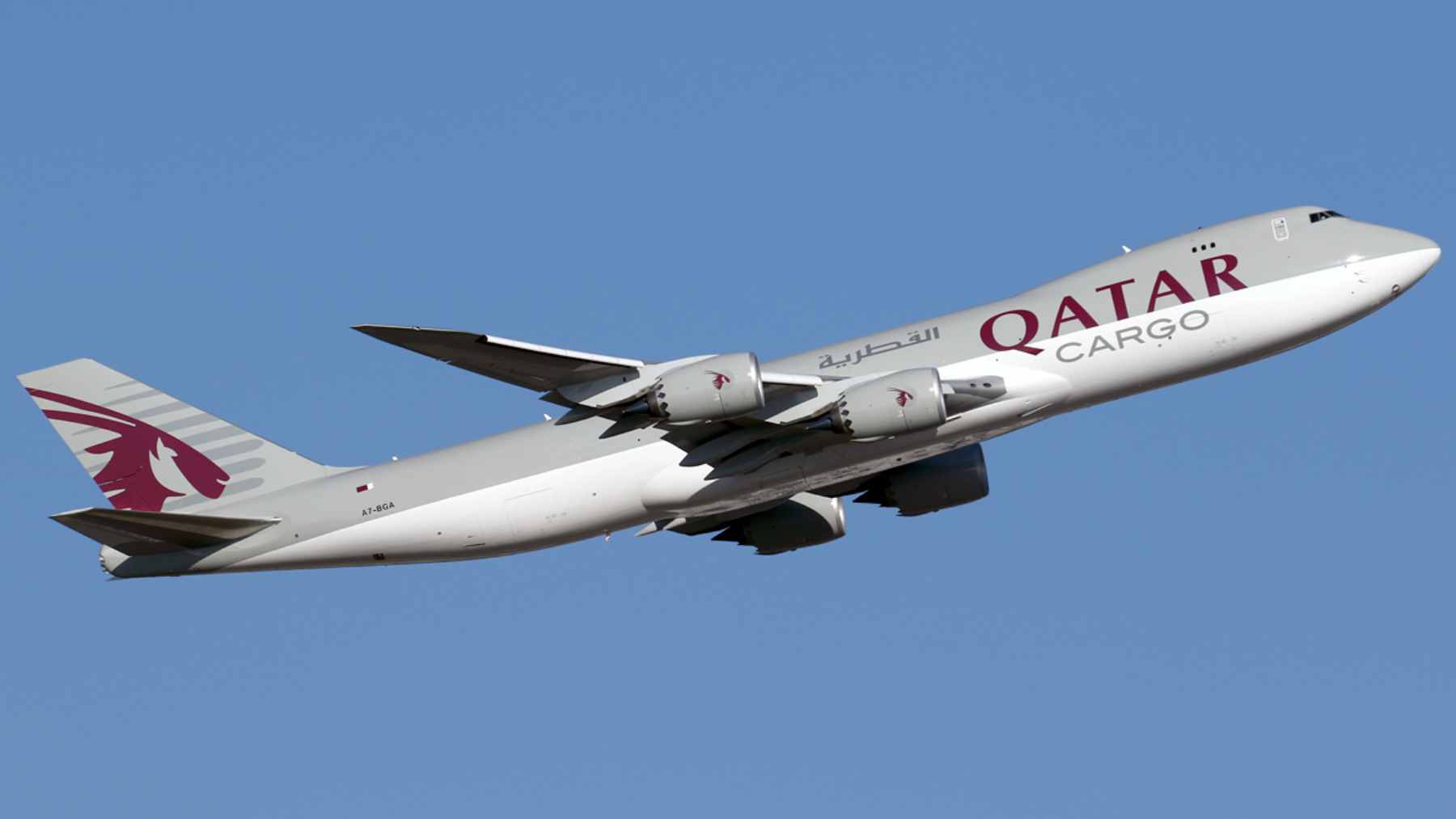
The U.S. Air Force says a luxury Boeing 747-8i that previously flew in Qatar’s VIP fleet is now in flight testing as a temporary presidential transport, officially labeled the VC-25B Bridge Aircraft.
An Air Force spokesperson told The War Zone the jet is expected to be delivered to the Presidential Airlift Group no later than summer 2026. The plan is meant to cover a growing gap while the next-generation VC-25B aircraft remain years behind schedule.
The Air Force has said the first of the two new VC-25B aircraft is now expected in mid-2028, after repeated slips in a program that has become a costly headache for Boeing.
Aviation, meanwhile, produced almost 1 billion tons of CO2 in 2023, according to the International Energy Agency. Put those two facts together and you get a surprisingly modern question for a very old symbol of power.
Why a bridge jet suddenly looks necessary
The current VC-25A jets are older 747-200 variants that entered service in the early 1990s, and keeping them mission-ready gets tougher as they age. Reuters has reported the replacement program is now tracking to at least mid-2028 for the first delivery, with Boeing taking billions in charges under a fixed-price contract.
Instead of waiting, the Air Force is adapting a low-hours 747-8i that already had a head-of-state interior and long-range capability. The War Zone reported visible changes like added antennas and satellite communications hardware, while noting the Air Force has not detailed what defensive systems or hardening the bridge aircraft will ultimately carry.
The climate math behind a VIP jumbo
Boeing has described the 747-8 as “16% more fuel efficient” than the 747-400 and with a “30% smaller noise footprint,” which is meaningful when you are talking about a jet this large. But it is still a four-engine widebody, and efficiency gains do not erase the basic reality that long-range flying burns a lot of fuel.
The IEA estimates aviation accounted for 2.5% of global energy-related CO2 emissions in 2023, and researchers also point to warming effects beyond CO2 because of high-altitude pollutants and contrails.
That is why even a relatively small number of presidential flights can feel like a climate story, especially as governments ask businesses and households to cut their own emissions.
Retrofitting is greener on paper but not automatically
Reusing an existing airframe can avoid some emissions tied to manufacturing a new aircraft, so it sounds like a greener move. Essentially, the fuel burned over years of operation usually dominates, so the environmental payoff depends on how the aircraft is flown and what fuel it can use.
The business stakes are high. Reuters has reported the VC-25B program’s cost is above $5 billion and Boeing has absorbed major losses as it wrestles with supply chain and engineering complexity, while the bridge aircraft is being rushed through its own modification and testing cycle.
Tech upgrades add resilience and energy demand
Air Force One is not just transportation, it is a flying communications node, and that comes with power and cooling demands. The bridge aircraft’s visible communications additions are a reminder that “more connected” often means heavier and more energy-hungry systems, even before you get into classified hardware.
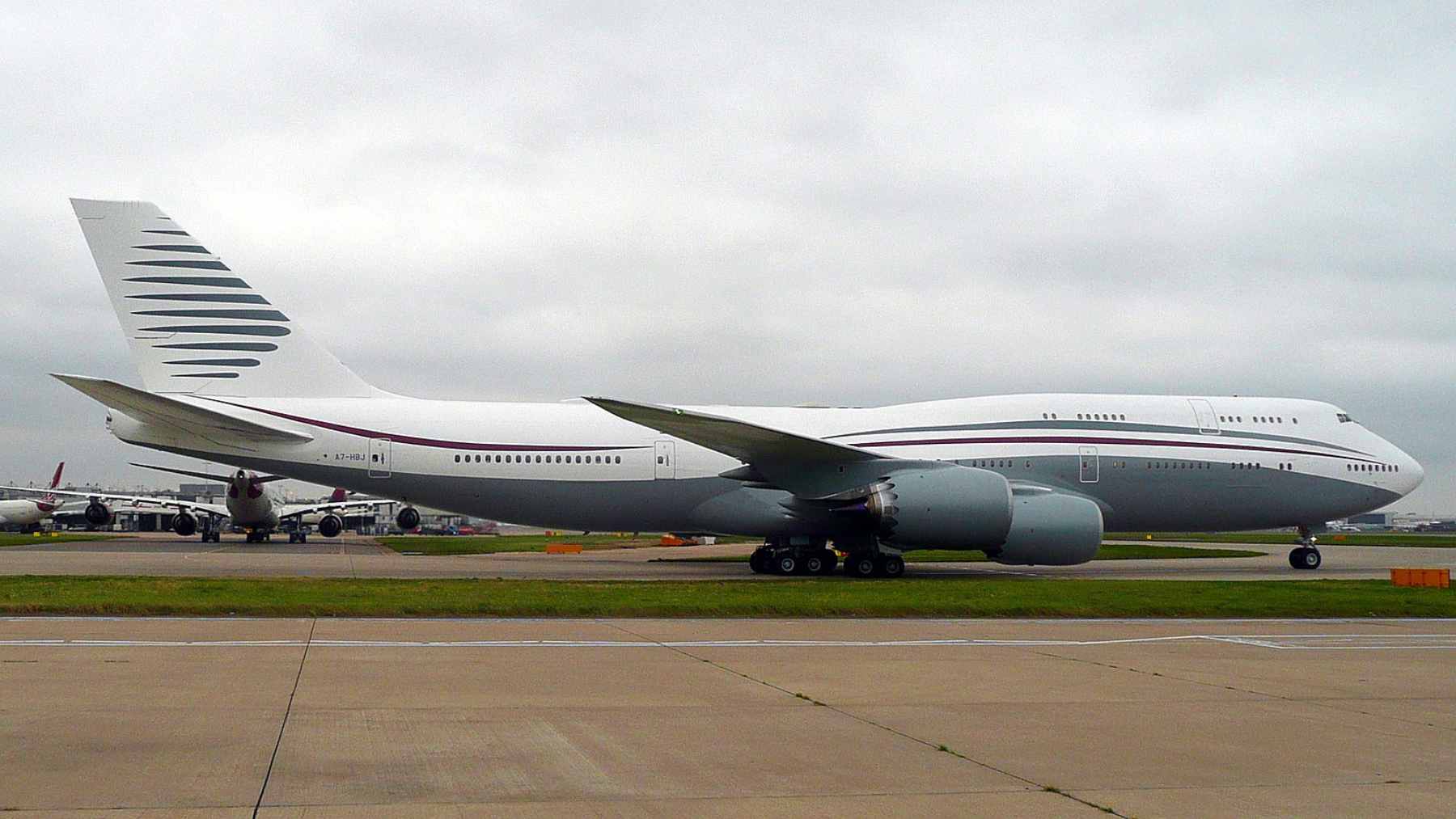
In February 2026, the Air Force also released an official paint scheme for the VC-25B and the broader executive airlift fleet, calling for a red, white, gold, and dark blue livery. It sounds cosmetic, but these programs live and die on engineering details, and every delay keeps older aircraft flying longer than planned.
Cleaner jet fuel is the bigger story hiding in plain sight
If there is a near-term lever for cutting aviation emissions without waiting for new aircraft designs, it is fuel. IATA says sustainable aviation fuel can reduce CO2 emissions by up to 80% on a lifecycle basis, and DOE notes that today’s approved pathways typically limit SAF to blends with conventional Jet A under ASTM standards.
The problem is scale and cost, and you can feel it from the boardroom to the boarding gate. Reuters reported that IATA expects SAF production to double in 2025 to over 2 million tons, yet that would still represent only about 0.7% of airlines’ fuel consumption, and IATA warned the slow ramp will add billions to the global fuel bill.
So a temporary Air Force One is more than a procurement workaround, it is a stress test for whether the aviation system can decarbonize while staying reliable.
The official statement was published on Defense Visual Information Distribution Service.